
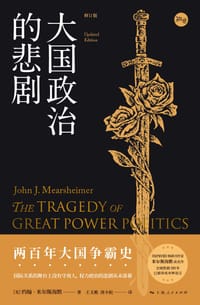
![大国政治的悲剧 - [美] 约翰·米尔斯海默](https://static.book345.com/covers/s/9787208124615.jpg)
书籍介绍
翻开这本书之前,多数人以为它会像其他国际关系著作那样讨论外交礼仪与制度设计;读下去才会发现,米尔斯海默干脆把道德与理想从棋盘上抹去,只留下一个冷硬的核心命题:生存催生侵略。在没有任何更高权威保护自我的世界里,大国不是不想合作,而是无法承担信任的代价,于是把最大化相对权力当作唯一可靠的安全策略。这一论断之所以刺痛读者,正因为它不诉诸人性善恶,而把侵略解释为结构逼出的理性选择——
作者简介
约翰·米尔斯海默是芝加哥大学温德尔垫·哈里森杰出贡献政治学教授,国际安全政策项目主任,美国国际关系领域中的杰出学者之一,《纽约时报》、《新共和》、《大西洋月刊》的特约撰稿人。
AI导读
核心看点
- 提出进攻性现实主义,认为大国为生存必求霸权
- 主张美国应做离岸平衡手,避免直接卷入欧亚冲突
- 断言中国崛起必然引发中美战略竞争与冲突
读者共识
- 理论冷酷赤裸,深刻揭示大国政治的权力本质
- 对中美关系预测精准,但忽视文化与国内政治
- 逻辑自洽性强,是理解国际无政府状态的范本
精彩摘录
- "希特勒大部分的胜利是由于对对手使用的诡计,但是希特勒有技巧的行动也是很少有疑问的。他不仅使他的对手相互斗争,而且他也尽了相当大的努力来使他们确信纳粹德国抱有良好的意愿。就像诺曼·里奇(Norman Rich)指出的:“为了掩盖或模糊他的真实意图,希特勒一点也不专注于他的外交和宣传技巧。……"
- "我的进攻性现实主义理论也是国际政治中的结构理论。与防御性现实主义一样,我的理论认为,在一个没有机构来保护国家相互安全的世界里,大国主要考虑如何生存。它们很快意识到,权力是其生存的关键。进攻性现实主义在国家需要多少权力的问题上与防御性现实主义分道扬镳了。对防御性现实主义而言,国际结构几乎不为国家提供任何寻求权力增生的诱因,相反它促使国家维持现在有的均势,守住权力而不是增加它才是国家的主要目标。而在进攻性现实主义者看来,国际政治中几乎看不到维持现状的国家,原因是国际体系为国家牺牲对手以获得权力创造了巨大的诱导因子,当利益超过成本时,它们就会抓住这一机会。一国的终极目标是成为体系中的霸主。 很明显,"
- "国际体系中的国家也以确保自己的安全为目标。由于他国是潜在的威胁,而当国家拨打911时,没有更高的权威赶来救援,所以它们不能依靠其他国家保护自己的安全。每个国家都把自己看成孤单且易受攻击的一方,因此,它为自己的生存提供保障。在国际政治中,天助自助之人。强调自助并不排除国家结成联盟。但联盟只是图一时之便的权宜结合(marriage of convenience):今天的联盟伙伴可能是明天的敌人,今天的敌人也可能是明天的联盟伙伴。例如,在二战中,美国与中国和苏联并肩反对德国和日本,但随后不久,美国的敌人和伙伴角色转换了,在冷战期间,它又联合联邦德国和日本抗衡中国与苏联。 在一个自助世界里,国家总是按"
- "A hegemon is a state that is so powerful that it dominates all the other states in the system. ... it is virtually impossible for any state to achieve global hegemony. ... The best outcome a great power can hope for is to be a regional hegemon and possibly control another region that is nearby and a"
- "In short, great powers balance against capabilities, not intentions."
- "Security also trumps wealth when those two goals conflict, because “defence,” as Adam Smith wrote in The Wealth of Nations, “is of much more importance than opulence.” ... “The act of navigation,” Smith wrote, “is not favorable to foreign commerce, or to the growth of that opulence that can arise fr"
- "国际体系迫使大国最大化地扩充他们的相对权力。因为这是获得最大安全的最佳途径。换句话说,生存催生侵略行为。大国具有侵略行为并不是因为他们想要这样做或具有内在的支配欲望,而是因为它们想要获得最大的生存机会,就不得不寻求更多的权力。"
- "权力是国际政治的核心。 国家有两种权力:潜在权力和军事权力。……然而,在国际政治中,一国的有效权力是指它的军事力量所能发挥的最大作用,以及与对手的军事实力对比的情况。"
目录
用户评论
充斥着穿凿附会与现实洞见的理论著作——尽管作者在实证检验部分中已经力图给出覆盖近代以来所有大国政治案例的全景式分析,但对案例的处理在深度上仍显不足,也存在少部分“削足适履”的情况。正如一位读者所说的,这是美国政治科学思维主导下大部分国关理论同有的弊病:在框架上将政治哲学与一些历史事实拼凑起来,力图解释甚至预测现实,但缺乏批判性的结合以及对基础问题的回归。然而,在很多情况下,直觉(而非理性主义框架中的某项技能)反而是社会科学家最重要的品质之一。米氏的直觉太过优秀,特别是最后一章的精准有力,当今看来就如为当今的大国政治写好了剧本。在我国学者看来,批判米氏的理论无疑是正确的——无论是在理论上还是在政治上,然而证伪之却非学界力所能及之事。不亦悲夫。
米尔斯海默最大的问题在于他的理论是一个静态的点粒子模型,国家是一个要么继续生存要么灭亡的先验实体。附录里阎学通的驳论说到了点上。
翻译总体还行,偶尔有小错
突破所有意识形态禁锢,直接回到公理进行逻辑推演。十分有说服力。比亨廷顿强多了。如此清醒冷静,相比之下,福山就是癔症患者。
我不明白这本书作为一本学术著作,还有哪些需要改进的地方。米尔斯海默教授在与阎学通教授的辩论中也说,自己没有考虑中国文化和国内政治因素,仅是将进攻性现实主义理论逻辑运用到当代的问题上去分析,理并现状且预测结果。在我看来,现实主义逻辑上十分具有合理性的,但是米尔斯海默教授的理论却不适用于中国,这不仅仅是道义或者我国现有外交战略的因素导致的。更主要的因素是我国是一个以马克思主义为指导思想的政府,这使我们必然不断进行自我革命,寻找一个内部因素使我国能在历史上长期存在而非昙花一现的方法。虽然对于和平崛起一事上,我也持有悲观态度,但是我至少相信,中国不会主动放弃和平。
最后访谈好看
我相信一切的最终结局是悲剧的…姨的der Vorleser被和谐了,太悲剧了!
前面有点意思
只想说,看完了,非常推荐。怕审核不过。
减一星是因为论证儒家不能保证中国不按照进攻现实主义行事时,论证方式太不高明
畏惧,自助,权利最大化。黑暗森林法则





下载
收藏