
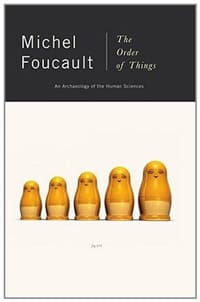
书籍介绍
翻开《词与物》,多数读者最先被劝退的往往不是深奥,而是那个绕不开的问题:人到底算不算一种
AI导读
核心看点
- 剖析西方知识型的历史断裂与演变
- 揭示“人”作为知识对象的短暂性
- 通过《宫娥》解读视觉与话语秩序
读者共识
- 思想极具颠覆性,确立福柯学术地位
- 阅读门槛极高,常被形容为晦涩难懂
- 尽管难读,仍被视为二十世纪重要经典
精彩摘录
- "It is no longer a question, in fact, of repeating what had already been said(言下之意,中世纪和文艺复兴时期的释经学是以对已经被言说的事物的“评论”或“重复”), but of defining through what figures and images, by following what order, to what expressive ends, and in order to declare what truth, God or the Prophets had given a discourse the"
- "criticism judges it (representation and truth) and profanes it. Now as language in the irruption of its being, and questioning it as to its secret, commentary halts before the precipice of the original text, and assumes the impossible and endless task of repeating its own birth within itself: it sac"
- "人,就其本性而言,总是倾向于最逼近和最迫切的结果。他首先考虑他的需要,接着考虑他的快乐。他在考虑这些之前,总是忙于农业、医学、战争、实际政治学,接着忙于诗歌和艺术;并且当他转会到自身并开始反思时,他就为自己的判断规定规则,这就是逻辑学,为他的话语规定规则,这就是语法,为他的欲望规定规则,这就是伦理学。他那时认为自己已经达到了理论的顶峰。"
- "福柯欣赏尼采的“谱系学”或“真实的历史”。因为它能区分、分离和分散事物,能释放岐异性和边缘因素,能让间断性在主体身上穿行和涌现,它所依据的是充满着机缘的力量关系的逆转和权力的侵占,所强调的是界限、断裂、个体化、起伏、变化、转换、差距,所突现的是无先验主体的、分散的、散乱的、非中心的、充满着偶然性的多样化空间。哈贝马斯曾形象的解读福柯所发掘的“真实的历史”:它是一座由任意的话语形式构成的移动着的冰山,这些话语形式前后涌动、上下起伏、不停地变化和重组,而无连续性。"
- "lastly , the purpose of arousing in the other the representation corresponding to the cry or gesture (but with this particularity, that by emitting a cry, I do not arouse, and do not intend to arouse, the sensation of hunger, but the representation of the relation between this sign and my own desire"
- "《堂吉诃德》是第一部现代文学作品,因为我们在它里面看到了同一性与差异性的严酷理性不停地轻视符号和相似性;因为在它里面,语言中断了自己先前与物的关系,从而进入了这个孤独的主权中,语言还会只作为文学突然重新出现在这个主权内:因为相似性进入了一个时代,从相似性的观点来看,这是一个非理性和想象的时代。一旦相似性与符号相互分离,两种经验就能确立起来了,两个人物也可以面对面出现了,疯人(不是被理解为病人,而是被理解为被确立的和被保持的异常,一个不可缺少的文化功能)已在西方经验中成了具有原始相似性的人。如同在巴洛克时代的小说或剧本中所描绘的,如同其在19世纪精神病学以前被逐渐制度化的,疯人在类推中被异化了,"
- "让我们把那些能使人们让符号讲话并揭示其意义的全部认识和技巧,称作释义学;把那些能使人们区分符号的场所、限定把符号构成为符号的一切并知晓符号是如何以及依据什么规律而联系在一起的全部认识和技巧,称作符号学:16世纪以相似性为形式把释义学和符号学重叠在一起,探寻意义,也就是阐明相似性。探寻符号的规律,也就是去发现相似的事物。存在物的语法,就是对这些事物做诠释。它们所讲的语言必须告诉我们的,只是把它们结合在一起的句法是什么。事物的性质,它们的共存,它们借以联系在一起和交流的方式只是它们的相似性。这个相似性只有在从这个世界的一头贯穿到另一头的符号网络中才是看得见的。 他们的知识的核心处存在着一种必要性:"
- "在其原始的、历史的16世纪的存在中,语言并不是一个任意的体系;它被置于世上并成为世界的一部分,既是因为物本身像语言一样隐藏和宣明了自己的谜,又是因为词把自己提供给人,恰如物被人辨认一样。人们为了认识大自然而打开、钻研和阅读书本中的重大隐喻,只是另一个传递的相反的和看得见的方面,而是是更为深刻的方面,它迫使语言存在于世上,存在于植物、草木、石头和动物中间。 书写的这一重要性,说明了在16世纪知识中出现了两种尽管明显对立但又不可分离的孪生形式。其中一种形式是在所见与所读、观察与关系之间不作区分,从而构成了一个唯一的光滑的表面,在这个表面上,目光和语言无限地交织在一起;第二种形式是第一种形式的反面,"
用户评论
大学时读的译本,现终于给英文版开光。福柯总给人拍脑袋的“疯”芒以莺文文本展开更加逼人。词与物的演变,简单的说就是从一个萝卜一个坑,发展到一个萝卜N个坑,再到萝卜分支成萝卜谱系,此坑关联彼坑并考古深耕思想史中有名的萝卜和深刻的大坑。福柯不想做结构/解构主义者,但是今时今日,福柯的语言游戏是否应验程序猿们的金句: talk is cheap, show me your code? 人文社科如不重逢数理工,就真只剩一片天坑而再无新鲜萝卜了。😳
福柯把16世纪/古典时期/19世纪分成了三个阶段,对应的思维方式分别是similitude/representation/originality. 在最后一个阶段人才作为人真正浮现出来,并且对自身的来源和归所上下求索,深入到无意识和人类学的层面。这二者又在20世纪被系统化的语言重新统一,人重新隐没下去。我不懂的就是,按照他这套说法,如何解释莎士比亚时代人的自我发现?对于19世纪之前人的自觉,他只给出了唐吉坷德和笛卡尔的例子,但是莎士比亚和丁尼生—甚至丢勒、老布鲁盖尔和吉列柯文艺复兴时候的绘画—我觉得是必要被考虑进去的,它们探索和表达的都是人不同于物秩序的独特性和隐秘欲望。所以感觉有好多文本就像Deleuze和Guatarri 说的desire-machine冲破了福柯构建的图式。求高人解释。
其实认真读书的话,这本还是挺好的。其中关于tabulation of things,以及后来human subject的empirical-transcendental这个双层面的分析,以及visibility和invisibility之间关系的行程,都很好。
福柯在这本书里面读起来很科学自然史,有些像是库恩,可是又觉得更加深层次上面的paradigmatic。
得再读。
read the english version once, perhaps twice. impressed at the time of reading (early 90s).
I love this guy, so much!
长得要命
配合中文版读完。幸亏有你,不然我在第一章分析画中人和人中画的时候就退坑了。至此,福柯主流学术作品都毕业了啊^_^
绝了 买本英文版放家里镇宅
人生在世能读到这样的作品,增添了一点借以活下去的惊叹、感动和动力啊。
你可能会关注的书籍
 Wrong-Doing, Truth-Telling
 临床医学的诞生
 The Birth of Biopolitics
 The Archaeology of Knowledge
 Discipline & Punish
Vintage的其他书籍查看全部
 Leaving Isn't the Hardest Thing
 Life 3.0
 The Snowman
 In Spite of Myself
 The Beautiful and Damned
 Ashenden
求书
收藏