
Walton Ford的作品
Walton Ford (born 1960 in Larchmont, New York) is an American artist who makes paintings and prints in the style of Audubon's naturalist illustrations. Each of his paintings is a meticulous study in flora and fauna, while being filled with symbols, clues and jokes referencing a multitude of texts from colonial literature and folktales to travel guides. Ford's paintings are complex narratives that critique the history of colonialism, industrialism, politics, natural science, and humanity's effect on the environment. His prints are meticulous and fastidious in execution. Dying Words from 2005 is a combination color etching, aquatint and drypoint on paper in the collection of the Honolulu Museum of Art. In this print, the extinct Carolina parakeet replaces people in Benjamin West's famous painting, The Death of General Wolfe.
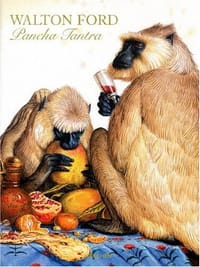
Walton Ford (born 1960 in Larchmont, New York) is an American artist who makes paintings and prints in the style of Audubon's naturalist illustrations. Each of his paintings is a meticulous study in flora and fauna, while being filled with symbols, clues and jokes referencing a multitude of texts from colonial literature and folktales to travel guides. Ford's paintings are complex narratives that critique the history of colonialism, industrialism, politics, natural science, and humanity's effect on the environment. His prints are meticulous and fastidious in execution. Dying Words from 2005 is a combination color etching, aquatint and drypoint on paper in the collection of the Honolulu Museum of Art. In this print, the extinct Carolina parakeet replaces people in Benjamin West's famous painting, The Death of General Wolfe.