
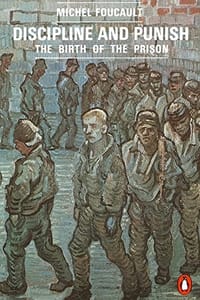
书籍介绍
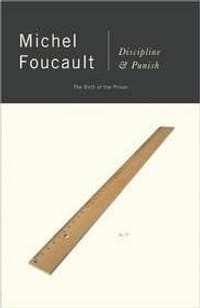
这不是一本关于监狱如何变文明的书,而是一把解剖刀的说明书。福柯从公开处决的血腥场景,追踪到现代学校、工厂、军营、医院如何悄然共享同一种运作逻辑:它们不再靠暴力震慑身体,而是通过时间切割、空间分配、持续监视,把人改造成温顺而有用的「驯服的身体」。全书最锋利处,是他拒绝把权力理解为「谁拥有它」,而坚持权力是一种弥散的、被不断行使的关系——你越是接受规训,越显得自由、正常、理性。读者反复提及的Panopticon(全景敞视)正是关键:当我们意识到自己可能被注视时,便自动完成了对自我的管制。这本书适合那些不愿再被「为你好」之名轻易说服的人,它不提供答案,而是逼你重新审视身边每一座看似中性的建筑、每一套看似仁慈的制度。
作者简介
Michel Foucault was one of the most influential thinkers in the contemporary world. Social scientist and historian of ideas, Foucault was Professor of History of Systems of Thought at the College de France. He wrote frequently for French newspapers and reviews, and edited Critique. Among his many publications are Madness and Civilization (1961), The Archaeology of Knowledge (1972), The Birth of the Clinic (1973), Discipline and Punish (1975), and three volumes of the History of Sexuality: Volume One, the Will to Knowledge (1976); Volume Two, The Use of Pleasure (1984); and Volume Three: The Care for the Self (1984). Professor Foucault died in 1984.
AI导读
核心看点
- 本书深入剖析了西方惩罚机制从公开酷刑到现代监狱体系的演变历史,揭示了权力运作方式的根本性转变。福柯指出,惩罚不再是对肉体的简单摧残,而是转向对灵魂和行为的规训,这种转变反映了社会控制技术的精细化与隐蔽化,旨在通过改造个体来维护社会秩序。
- 书中提出的‘全景敞视监狱’概念是核心思想之一,它象征着一种新型权力物理学。在这种机制下,监视者无需现身即可实现全方位监控,被监视者因不知何时被看而自我规训。这种权力技术不仅应用于监狱,更渗透到学校、医院、工厂等社会机构,构成了现代社会的底层逻辑。
- 福柯批判了传统历史观中关于人道主义进步的线性叙事,指出监狱并非犯罪的解药,而是生产犯罪的机器。他揭示了知识与权力的共生关系,说明现代司法体系如何通过科学话语将个体客体化,从而实现对人口的高效管理。这种对‘规训社会’的揭露,挑战了我们对自由与正义的固有认知。
读者共识
- 读者普遍认为本书思想震撼,彻底改变了其对权力、自由及社会制度的认知框架。尽管阅读过程艰难,但许多读者表示在克服理解障碍后,获得了前所未有的洞察力。福柯对规训社会的揭露被视为极具前瞻性,其关于权力无处不在、非占有性但可被行使的观点,成为理解现代社会控制机制的关键钥匙。
- 多数读者承认书中关于监狱、学校、医院等机构同构性的分析令人不寒而栗,揭示了现代文明背后的暴力本质。然而,也有部分读者指出福柯的论述过于悲观,忽视了个体反抗的可能性及人道主义改革的真实价值。读者共识在于,本书虽具争议,但其对权力微观物理学的分析具有不可替代的学术价值与现实警示意义。
- 读者广泛认同‘全景敞视’概念在当代数字社会中的适用性,认为福柯对监控社会的预言在算法时代更加应验。尽管部分读者批评其历史论证存在瑕疵,但普遍认可其理论框架的创造性。大家一致认为,阅读本书是一次智力挑战,能促使读者反思自身作为‘被规训主体’的身份,提升对社会现象的深层批判能力。
精彩摘录
- "一个建筑物不再仅仅是为了被人观赏(如宫殿的浮华)或是为了观看外面的空间(如堡全的设计),而是为了便于对内进行清晰而细致的控制——使建筑物里的人一举一动都彰明较著。用更一般的语言说,一个建筑物应该能改造人:对居住者发生作用,有助于控制他们的行为,便于对他们恰当地发挥权力的影响,有助于了解他们,改变他们。"
- "总之,在这种刑法机制中,关键是通过一种机制来产生事实真相。这种机制包含两个因素,一个是由司法机关秘密进行的调查,另一个是被告的仪式行为——43 在古典时期的拷问中,除了表面上有一种对事实真相的坚决而急切的寻求外,还隐含着一种有节制的神裁法机制:用肉体考验来确定事实真相——44"
- "在一场实力的较量中不再用恐怖来反对恐怖;这种机制不再是对称的报复,而是符号对其所指的东西的直接指涉。在惩罚戏剧中需要建立的是一种能够被感官直接领悟的、可以作为简单计算的基础的关系,即一种合理的惩罚美学——119"
- "公开的酷刑和死刑的功能就是揭示真相——48 然而,实际上,维持着这种酷刑实践的并不是示范经济学……而是一种恐怖政策,即用罪犯的肉体来使所有的人意识到君主的无限存在——53 真理-权力关系始终是一切惩罚机制的核心——61 这些处决仪式本来只应显示君主的威慑力量,但却有一个狂欢节的侧面:法律被颠覆,权威受嘲弄,罪犯变成英雄,荣辱颠倒。"
- "与其说是确立一种以更公正的原则为基础的新惩罚权利,不如说是建立一种新的惩罚权力结构,使权力分布得更合理,既不过分集中于若干特权,又不过分分散成相互对立的机构——89 在旧制度下,非法活动根深蒂固,成为各个社会阶层生活中不可或缺的部分,因此在某种意义上它就有了自己的系统性和结构——91 人们需要考虑的不是过去的罪行,而是未来的混乱……因此,惩罚应该是一种制造效果的艺术……它通过一种二位一体的现象,既展示了罪行,同时又展示了制服罪行的君主权力——103"
- "在旧体制下,犯人的肉体变成国王的财产。君主在上面留下自己的印记和自己权力的效果。现在他将是社会的财产,集体占用的有益对象。这就是为什么改革者几乎总是主张将公益劳动作为最佳刑罚之一……因此,犯人是双重的付出,一方面是通过他所提供的劳动,另一方面是用他所产生的符号——123 现在,儆戒作用的基础是教训、话语、可理解的符号、公共道德的表象。维系惩罚仪式的不再是君主权威的可怕复辟,而是符码的活化,是集体对犯罪观念和惩罚观念只见联系的支持——124 惩罚应该成为一个学校而不是一个节日,成为一本永远打开的书而不是一种仪式——125 话语将变成法律——普遍重新灌输符码的经常性原则——的载体。民间诗人最终会与"
- "一个宏大的监狱体系设计出来了……断头台(在那里,受刑的罪犯的肉体听凭通过仪式表现出来的君主的力量摆布),惩罚剧场(在那里,惩罚的表象能长久地对社会产生作用),被一种庞大的、封闭的、复杂的等级结构所取代,而这种结构则被整合进国家机器之中……一种全然不同的实体,一种全然不同的权力物理学,一种全然不同的干预人体的方式出现了……这种高墙将变成处于19市级城市边缘甚至中心的、惩罚权力的单一形象——130"
- "毫无疑问,这些出自不同人的抗议并不是针对作为合法刑罚的监禁,而是针对“非法”地滥用不明确的拘禁。然而,一般来说,监禁被视为带有滥用权力的印记。因此,许多陈情书都反对它,认为它与健全的司法水火不容——134"
用户评论
读了第一部分和第三部分。福柯其实比想象中好读,对于惩罚模式的变迁梳理非常清晰。但我还是没有很好的把握panopticism。
panopticism的想法很有趣!!
挣扎着读了两个星期,终于了解福大爷的牛逼之处。。。
福柯的这本书真的是把对于BODY的讨论上升到了一个只能仰望的高度,从condemned body到docile body,在日复一日的教导规训和研究调查中,人变成了subject,又进一步成为object,伴随着一切制度与机构的科学化,我们通过他人,物体,自省获得了崭新地对自我的认识和锁链,而这圆形监狱,是否真的有它的主人?
打开觉得哎写得真好很清楚了,合上发现啥也没记住,全部从我光滑的大脑上溜走啦。。特别是最后delinquency和the carceral两节,看的时候感觉挺顺,但一翻页真的是那个马什么梅的感觉。。。
珍惜
第一本福科,读得虽只是一知半解,但也佩服得我是五体投地。
抛弃了旧时代的酷刑,权力逐渐转化成为形式隐蔽的规训,但这种暴力的减少却并不意味着人类道德的伟大提升。对于圆形监狱(panapotism)的讨论印象最深,这座残酷精巧的牢笼实为现代纪律社会的隐喻:在监视/隔离中,我们成为自己的警察,将权力的意志描述为义务/道德/责任,并为履行道德义务而感到满意。权力创造现实。现代社会是以监狱/军营/学校/医院的模式所构建的,我们虽然时刻处于不对等的权力关系中,但又往往怀有自由的幻觉。微观权力无孔不入。
“Soul is the prison of the body.”
人类社会的中心是Strategy 是normalization的手段 是一套框架 一个结构
隐藏的规训
你可能会关注的书籍
 Wrong-Doing, Truth-Telling
 临床医学的诞生
 The Birth of Biopolitics
 The Archaeology of Knowledge
 Discipline & Punish
Penguin的其他书籍查看全部
 The First House
 Zucked
 A Monk's Guide to a Clean House and Mind
 Quantum Mechanics: The Theoretical Minimum
 Redeployment
 A History of the World in 100 Objects
求书
收藏