
![中国的历史之路 - [英]伊懋可](https://static.book345.com/covers/s/9787308233125.jpg)
伊懋可在《中国的历史之路》(或译《中国历史的模式》,The Pattern of the Chinese Past,1973)一书中主要围绕三个问题展开论述:中华帝国为何能长期维持统一而没有像罗马帝国那样最终分裂?中国如何执中世纪各国经济之牛耳,并成为当时人口最多的国家?古代中国如何在科学和技术方面从落后于欧洲到处于领先地位,但是在1600—1700 年又远远落后于欧洲大多数地方?作者提出了“高水平平衡陷阱”理论。他认为传统后期的中国经济发展已达到没有工业-科学投入情况下的极限,随着人口持续增长,农业剩余产品递减,人均收入和人均需求下降;劳动力越来越便宜,而资源和资本越来越昂贵;耕作与运输技术已高度完善,难以再做简单的改进。当新技术出现的时候,已经没有足够多的剩余来购买新技术,而且这种所谓高水平的发展也抑制了对新技术发明的需求。伊懋可认为“高水平平衡陷阱”是对中国文明之所以出现技术停滞,并且没有发生工业革命的一种充分解释。
这是一本从一个典型的欧洲人视角来看中国历史发展模式的重要研究著作。书中将中国的历史发展与同时代罗马帝国或欧洲中世纪的历史对比,得出了令人信服或予人启发的结论。作者认为:尽管传统后期的中国出现了技术停滞,但中国人的技术创造力具有深厚的历史根基,一旦苏醒,将令世人震惊。本书译文严谨,注释细致规范,堪称上乘之作。
——郑学檬,厦门大学历史系荣休教授
伊懋可此书对20世纪五六十年代西方和日本的中国社会经济史研究成果做了精练的总结和理论提升。中国学者可以透过本书将那个年代中国与西方之间的学术断裂重新接续起来,并在此基础上,认识近三四十年中国社会经济史研究新进展的学术脉络,在学术逻辑的轨道上,从中国经济史的事实出发建立超越此书的理论解释。
——刘志伟,中山大学历史系教授
伊懋可(Mark Elvin,1938— ),剑桥大学博士,澳大利亚国立大学历史系荣休教授,当代著名历史学家。主要研究领域为:中国经济史、文化史、环境史。代表作有:《中国的历史之路》(另译《中国历史的模式》)、《大象的退却》等。
- 提出高水平平衡陷阱解释技术停滞
- 对比中西历史解答帝国统一之谜
- 重构唐宋中古经济革命理论框架
- 关注中国经济史与制度变迁读者
- 研究海外汉学及中西对比学者
- 对李约瑟难题感兴趣的历史爱好者
- 注意成书年代局限及论证粗糙处
- 结合后续学术进展辩证看待观点
- 关注作者欧洲视角下的比较逻辑
- 理论极具启发性但部分论证存疑
- 经典之作值得重读以获新感悟
- 需结合新史料批判性吸收观点
本导读基于书籍简介、目录、原文摘录、短评和书评生成,不等同于全文精读。
- "why did the Chinese Empire stay together when the Roman Empire, and every other empire of antiquity or the middle ages, ultimately collapsed?"
- "why did China after about 1350 fail to maintain her earlier pace of technological advance while still, in many respects, advancing economically?"
- "The growing market for grain was one of reasons for the consolidation of the manorial regime in Sung times;...It is unlikely that the manor owners would have been as interested as they were in better techniques if it had not been possible for them to sell the surplus... In any event, the evidence sh"
- "Tang records suggest that the Chinese had trouble building highways that did not become impassable in the summer rains. By Song times, however, not only were a good number of city streets paved with stone slabs, but surfacing intercity routes with bricks or stone seems to have been quite common."
- "The greatest economic impetus was given by the growth of river and canal shipping... In consequence, a number of hitherto separate waterway systems were now linked into an integrated whole, and formed the foundation for the nationwide market which emerged at this time."
- "What were the causes of this monetary revolution? One factor was the growing interdependence of the regional Chinese economies, based on the higher agricultural productivity and improved transport already described. ... Actions taken in the field of monetary policy by one government were apt to have"
- "The chief weakness of this rudimentary nationwide remittance system (regarding paper money) was that it worked in one direction only, from the capital to the provinces."
- "(因為坊市的嚴格規定,無法滿足農村的交換需求)a separate system of unofficial markets...gradually grew up in the countryside to cater for the needs of the farmers...The old system gave way during the ninth century to an era of vastly increased commercial freedom. ...The Chinese rural economy was becoming linked with the m"
显示全部
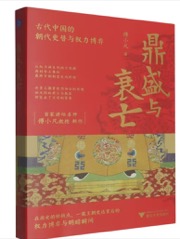 鼎盛与衰亡
鼎盛与衰亡 幕末之梅
幕末之梅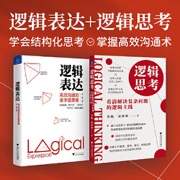 逻辑思考:看清解决复杂问题的逻辑主线(风靡上汽集团、惠普、索尼、阿迪达斯等世界知名企业的思维训练法)
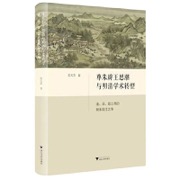 尊朱辟王思潮与明清学术转型:道、学、政之间的程朱陆王之争
 绝对反冲
绝对反冲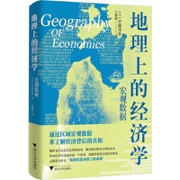 地理上的经济学 2