
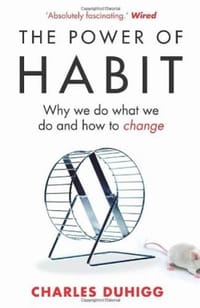
书籍介绍
In "The Power of Habit", award-winning "New York Times" business reporter Charles Duhigg takes us to the thrilling edge of scientific discoveries that explain why habits exist and how they can be changed. With penetrating intelligence and an ability to distill vast amounts of information into engrossing narratives, Duhigg brings to life a whole new understanding of human nature and its potential for transformation. Along the way we learn why some people and companies struggle to change, despite years of trying, while others seem to remake themselves overnight. We visit laboratories where neuroscientists explore how habits work and where, exactly, they reside in our brains. We discover how the right habits were crucial to the success of Olympic swimmer Michael Phelps, Starbucks CEO Howard Schultz, and civil-rights hero Martin Luther King, Jr. We go inside Procter & Gamble, Target superstores, Rick Warren's Saddleback Church, NFL locker rooms, and the nation's largest hospitals and see how implementing so-called keystone habits can earn billions and mean the difference between failure and success, life and death. At its core, "The Power of Habit" contains an exhilarating argument: the key to exercising regularly, losing weight, raising exceptional children, becoming more productive, building revolutionary companies and social movements, and achieving success is understanding how habits work. Habits aren't destiny. As Charles Duhigg shows, by harnessing this new science, we can transform our businesses, our communities, and our lives.
AI导读
核心看点
- 揭示习惯的神经回路:暗示、惯常行为与奖赏
- 习惯改变黄金法则:保留暗示与奖赏,替换行为
- 小成功引发连锁反应,核心习惯塑造组织文化
适合谁读
- 希望科学改变坏习惯、提升自律的普通读者
- 关注个人成长、心理学与行为科学的学习者
- 寻求优化团队管理与企业文化的企业领导者
读前提醒
- 建议结合《高效能人士的七个习惯》对比阅读
- 重点理解习惯回路模型,尝试应用于日常生活
- 书中案例丰富,可边读故事边思考原理应用
读者共识
- 叙事引人入胜,将复杂科学原理通俗化表达
- 理论实用性强,提供了改变习惯的具体方法
- 部分读者认为内容可精简,但核心价值显著
本导读基于书籍简介、目录、原文摘录、短评和书评生成,不等同于全文精读。
精彩摘录
- "习惯是一种分为三个步骤的神经逻辑回路:暗示->惯常行为->奖赏 例如:暗示(饥饿/无聊/低血糖)->惯常行为(每天晚上吃垃圾食品)->奖赏(食品本身/散心/能量充沛的感觉) 形成习惯要找出一种简单又明显的暗示,并清楚地说明有哪些奖赏 习惯改变的黄金法则:你无法根除坏习惯,你只能代替它 如果暗示和奖赏不变,几乎所有的习惯都是可以被改变的 用同样的暗示,提供同样的奖赏,改变中间的惯常行为 如果你想改变一个习惯,你必须找另一个惯常行为替代旧习惯,并提供相同的奖赏;而且当你和一个群体一起努力时,改变的成功性会大大提高。 例如,如果你想戒烟,就应培养一种新的惯常行为,使其提供满足香烟在人身上产生的渴求感"
- "习惯回路太重要了,因为它揭示了一个基本的事实,就是在习惯出现时,大脑不再完全参与决策,它要么完全静下来,要么集中做其他的任务。"
- "如果你用同样的按时,提供同样的奖赏,你就可以换掉惯常行为,改变自己的习惯。如果暗示和江上不变,几乎所有的习惯都是可以被改变的。"
- "习惯的一个基本原则:在有意寻找驱动我们行为的渴求感之前,我们通常并不真正理解它们。"
- "研究人员发现,起作用的并不是上帝,而是信仰本身。一旦人们学会信仰某种东西,这种信仰就会扩展到生活的其他方面,知道他们开始相信自己能改变信仰是将改造过的习惯回路变成永久性行为的要素。"
- "事实上,并不是 或者整齐的床铺带来好成绩或理智的开支,而是这些基本的变化会引起连锁反应,带动其他好习惯形成。"
- "小成功其实是细微优势的稳定运用,一旦一个小成功完成了,就会推动下一个小成功的出现。"
- "每个组织的文化都是从核心习惯发展而来的。"
用户评论
有趣轻松一读
We could basically implant any habits with willpower and faith. But what if it's false faith? Does it even matter?
Recommended by Business Collective.
nice writing, intriguing topic
有意思的故事 all tells you the power of habits, personally, business-wise and society-wise. With a hands on tips to help you change your bad habits.
说实话边看故事边学原理还不错
时隔三年重读
通俗易懂,轻松愉快,希望能应用起来。
收藏