
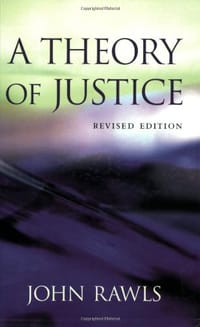
书籍介绍
《正义论》最锋利之处,在于它拒绝让社会用「总幸福」来牺牲少数人。罗尔斯把一切特殊信息挡在「无知之幕」之后,让身处幕后的我们不得不在不知道自己将贫富、贵贱、天赋优劣的情况下,为所有人做出选择——于是他论证:理性的我们会宁可接受「保证最坏者也能得到最大改善」的不平等,也不愿赌上自己沦为被牺牲的那一个。这种「最大-最小」的算计,把「正义不允许以多数人的好处为少数人的苦难辩护」写进了契约的底层逻辑。它也因此饱受争议:有人赞其为「20世纪最具影响的政治哲学」,有人嫌它抽象、冗长、结构失衡。真正适合它的读者,是那些愿意被「无知之幕」逼到墙角、重新审视自由与平等究竟能否兼得的人。
作者简介
John Bordley Rawls was an American philosopher and a leading figure in moral and political philosophy. He held the James Bryant Conant University Professorship at Harvard. His magnum opus A Theory of Justice (1971) is now regarded as "one of the primary texts in political philosophy." His work in political philosophy, dubbed Rawlsianism, takes as its starting point the argument that "most reasonable principles of justice are those everyone would accept and agree to from a fair position." Rawls employs a number of thought experiments—including the famous veil of ignorance—to determine what constitutes a fair agreement in which "everyone is impartially situated as equals," in order to determine principles of social justice.
Rawls received both the Schock Prize for Logic and Philosophy and the National Humanities Medal in 1999, the latter presented by President Bill Clinton, in recognition of how Rawls's thought "helped a whole generation of learned Americans revive their faith in democracy itself."
AI导读
核心看点
- 提出正义即公平理论,确立两大正义原则
- 通过无知之幕构建原初状态,推导正义
- 强调自由优先,保障最少受惠者利益
读者共识
- 被誉为二十世纪最具影响力的政治哲学著作
- 理论体系宏大精妙,但阅读门槛较高
- 无知之幕概念极具启发性,引发广泛讨论
精彩摘录
- "一切会引起人们陷入争纭不已的特殊信息都被排除,无知之幕的假设就是为了达到一种全体一致的契约。这时,每个人都不能不为所有人选择。罗尔斯认为,“无知之幕+相互冷淡”的假设胜过“仁爱+知识”的假设,它简洁、清楚、合理,而且是一种弱条件,后者却太强,要求得太高。 两个正义原则公开申明保障一切人的平等自由和机会平等,且任何不平等的利益分配都要符合最少受惠者的最大利益,这就保证了最大的最小值,或者说最好的最坏结果。 社会流行的、被人们所考虑和推重的正义判断的对照,一方面是看其是否符合一种假设的原初状态的理性人的选择,尤其是后者,罗尔斯主要是借助契约论来证明和推演自己的两个正义原则。在他的理论中,“原初状态"
- "正义是社会制度的首要价值,正像真理是思想体系的首要价值一样。一种理论,无论它多么精致和简洁,只要它不真实,就必须加以拒绝或修正;同样,某些法律和制度,不管它们如何有效率和有条理,只要它们不正义,就必须加以改造或废除。 允许我们默认一种有错误的理论的惟一前提是尚无一种较好的理论,同样,使我们忍受一种不正义只能是在需要用它来避免另一种更大的不正义的情况下才有可能。 在其他条件相同的情况下,一种正义观比另一种正义观更可取是因为它的更广泛的结果更可取。"
- "处在原初状态中的人们将选择两个相当不同的原则:第一个原则要求平等地分配基本的权利和义务;第二个原则则认为社会和经济的不平等(例如财富和权力的不平等)只要其结果能给每一个人,尤其是那些最少受惠的社会成员带来补偿利益,它们就是正义的。这些原则拒绝为那些通过较大的利益总额来补偿一些人的困苦的制度辩护。减少一些人的所有以便其他人可以发展——这可能是策略的,但不是正义的。"
- "一个人只要看看理论被分为可决定的和完全的、不可决定的但完全的、不完全也不可决定的三种类型这一划分的效果就够了。"
- "第一个原则:每个人对与其他人所拥有的最广泛的基本自由体系相容的类似自由体系都应有一种平等的权利。 第二个原则:社会的和经济的不平等应这样安排,使它们①被合理地期望适合于每一个人的利益;并且②依系于地位和职务向所有人开放。"
- "虽然不宽容团体自身没有权利抗议对它的不宽容;但只有当宽容者真诚地、合理地相信他们自身和自由制度的安全处于危险之中时,他们才应该限制不宽容团体的自由。 即使我们为了保护正义宪法而限制不宽容者的自由,这也不是以最大限度地扩大自由的名义进行的。一些人的自由不能仅仅为了使另一些人有可能获得较大的自由而受到压制。"
- "自由的主张首先应该被满足。只有自由的主张获得满足之后,其他原则才能发挥作用。 家长式统治的原则是这样的原则:在原初状态中,各方会接受这种原则以保护自己在社会中免受自己的理智和意志力的软弱动摇之害。这样,他人就被授权、有时是被要求代表我们来行动,做假如我们是理智的话就会为我们自己做的事情;只有当我们不能照管自己的利益时,这种授权才生效。家长式决定应当根据授权者已经形成的偏爱与兴趣(利益)(就其不是非理性的而言)的指导,或者,在缺乏有关这些情况的知识时,根据基本善的理论的指导而作出。我们对一个人知道的越少,我们为他作出的行动就越像我们从原初状态的立场为自己作出的行动。"
- "正如一种现存宪法所规定的立法的合法性并不构成承认它的一种充足理由一样,一个法律的不正义也不是不服从它的充足理由。当社会基本结构由现状判断是相当正义时,只要不正义法律不超出某种界限,我们就要承认它们具有约束性。 契约论自然地把我们引导到这样一个问题:即我们先前是怎样同意一种将要求我们服从那些我们认为是不正义的法律的立宪规则的?人们可能会问:当我们是自由的、还没有受到任何束缚时,我们怎么可能会合乎理性地接受一个有可能反对我们的意见并实行其他人意见的程序呢? 我们有一种礼貌的自然义务,即不把社会安排的缺陷当作一种不遵守它们的现成借口,也不利用规则中不可避免的漏洞来促进我们的利益。礼貌的自然义务加予我"
目录
Preface for the Revised Edition
Preface
PART ONE THEORY
Chapter Justice as Fairness
The Role of Justice
显示全部
用户评论
还是读英文版更舒服,不过罗尔斯的结构安排实在没让人看懂,有关正义的环境,原初状态等重要理论假设前提完全应该放在前面。似乎是迫不及待而又得意洋洋地提前把正义两原则摆出来。另,罗尔斯对司法的忽视让人怀疑他不是生活在米国。
竟然还是大一还是大二的时候借的那本!里面有我当年的贴条~读了第一部分(theory)。以前不理解为什么说难读,现在理解了。最赞的是无知之幕啊,这个被用烂了的概念,还是觉得这个理念很天才。不过一心想看为什么在初始位置能得出那两条原则,可是到了关键处就打马虎眼,怪不得XL说漏洞百出呢。。。是我读得不够细么?不过结合Sandel的讲课,最震撼的是natural endowment,we don't actually deserve what we have。人要学会心存敬畏,这是多么重要。这也是a case against perfection给我的最大启示。
I read this and believed some truth in it. A good book about political philosophy that you must read.
相当牛逼。
看了假设的部分 不知道应该佩服Rawls还是Kant
(看了快四周了标一下)除了经典的视角之外,有一节研讨课上让讨论罗尔斯的basic liberties缺少了什么(因为罗尔斯说这个list是可以变更调整的的),一位拉丁裔同学说没有讲freedom of immigration,我说罗尔斯没有任何关于anti-discrimination、race和gender的讨论(我说的时候感觉这个视角可能会有点奇怪,不知道是不是相关,结果发现在下一节课的reading就是Shiffrin的paper哭死)越来越感觉这种和现实高度相关的哲学没有办法简单通过思想的推演实现,一定要有具身性的经验支撑,和你切身所在的处境相关。
《正义论》中最核心的主张直白点翻译就是”扶弱和济贫“——这必然导致”锄强和劫富“,但它就是正义吗?
有关正义最根本的问题不是找到界定对错(公平/不公平)的黄金原则,而是决定谁是法官或是规则制定者。
“什么是正义?”是一个永远没有标准答案的问题,重要的不是答案而是寻找答案的过程。
正如书名所指It's a theory(of many).
重读。还是着重看了前40节。非常惊讶于罗尔斯方法论的自觉和融贯,是绝大部分当代作品做不到的 (which makes political philosophy increasingly boring...). 另外强烈怀疑moral arbitrariness of natural assets这个观点的重要性——这个论证在罗尔斯的系统里完全可以扔掉,然而罗尔斯之后的平等主义者似乎都非常关心这件事,让人很诧异。
用中译本辅助阅读完了第一编理论部分。总体来说论证清晰有力,也算好理解。
罗尔斯的正义论的核心是justice as fairness,fairness体现在平等与平等之下的差别的有机结合。概括正义的两个原则:平等的自由之优先性+差别原则。差别是正义的,当它至少能促进the least advantaged的发展。可以看出罗尔斯的正义论坚持着个体的优先性,最明显的是反对功利主义与补偿原则。他想要的正义是促进每一个个体(而不是总和)的利益的增加,也是一种发展着的正义。原初状况作为推论前提简直是神来之笔,对两种可能的功利主义的考量增强了正义论的契约论立场的有效性。
最后想说的是,似乎很难论断罗尔斯的正义论归属于伦理学三大理论中的哪一个,博众所长的契约论实在太庞大了。
很上头
Belknap Press的其他书籍查看全部

求书
收藏