
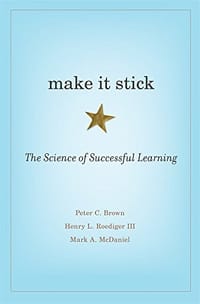
书籍介绍
这本书最尖锐的地方,在于它直接戳破了「好学生」的自我错觉:反复阅读、画重点、背到滚烂,这些让你感觉良好的做法,恰恰是效率最低的学习方式。作者用认知心理学的研究指出,真正让知识「sticks」的,是主动的检索——合上书,凭记忆把概念讲出来、把要点变成问题再解答、把新知识与已知强行挂钩。过程越费劲,记忆越牢固,因为困难本身在加固神经联结。它不教你具体学科的知识,而是给你一套「关于学习的学习」的元方法:间隔、交错、自我测验、拥抱必要的困难。适合那些反复努力却总在考试或实战中「想不起来」的人,也适合愿意相信科学而非感觉的教育者。
作者简介
Peter C. Brown is a writer and novelist in St. Paul, Minnesota.
Henry L. Roediger III is James S. McDonnell Distinguished University Professor of Psychology at Washington University in St. Louis.
Mark A. McDaniel is Professor of Psychology and Director of the Center for Integrative Research on Cognition, Learning, and Education (CIRCLE) at Washington University in St. Louis.
AI导读
核心看点
- 摒弃反复阅读与集中练习的低效模式
- 采用检索练习以强化记忆与巩固知识
- 拥抱困难,通过间隔与穿插练习提升能力
读者共识
- 主动回忆比被动输入更有效
- 学习需适度困难以形成深层记忆
- 书中方法具有极高的实用指导价值
精彩摘录
- "布鲁斯认识到,富人并不比他聪明多少,只是拥有他不知道的信息。看看他追寻信息的方式,我们便能从中发现一些重要的、与众不同的学习风格。其中之一便是掌控自己受到的教育,布鲁斯从两岁起便养成了这个习惯。在之后的岁月里,他又把这个习惯很好地坚持了下来。他的其他行为也值得重视。在不断地投身于新的事业后,他从中学到了经验与教训,提高了自己的判断能力,能把精力放在更重要的事情上。他把学到的东西组织成了各种用于投资的心智模型,之后把它们用在更复杂的机会上,从众多干扰中找到了适合自己的道路,并从大量不相干的信息中摘出关键的细节,最终获得回报。这些行为被心理学家称为“规则学习”与“结构构建”。习惯从新经历中萃取出重"
- "我们经常看到这种情况:大学教授打开办公室的门,发现大一新生丧地站在门口,想要和自己聊聊为什么第一次心理学入门考试成绩太差。怎么会出现这种情况呢?自己上课全動,一丝不荀地做了笔记,也看了课本,还画出了关键段落。 你是怎么准备考试的呢?教授问。 学生回答道,自己复习了笔记,在里面画出了重点,然后把笔记的重点和课本的重点内容看了好几遍,直到觉得能背得滚瓜烂熟才停下来。都到这个份儿上了,怎么还会在考试中得到“差”呢?"
- "你有没有用每章背后的关键概念测验过自己?在看到诸如“条件刺激”这样的概念时,能不能把定义讲出来,并在写作中用到这个概念?在阅读的时候,你有没有想过把课本中的要点转化成一系列问题,并且在之后的学习中试着解答这些问题?有没有至少在阅读时试着用自己的话来描述要点?有没有试着把新知识和已知联系起来?有没有找找课本外的例子?所有的答案都是没有。 你自视为好学生,一丝不苟,但事实是你不知道什么是有效的学习。"
- "不管在什么领域,人们在学习一项技能或一门知识的时候,都倾向于反复阅读课本,并进行集中练习,这其实是效率最低的一种方式。进行集中练习意味着我们在机械地 快速地重复一些东西,想把他们烙在自己的记忆中,也就是熟能生巧。一个例子就是考试前的填鸭。重复阅读与集中练习会让人越做越熟练,以为自己已经掌握了知识,但实际上,这种方法达不到真正的精通,也不会产生持久的记忆,只是在浪费时间。与反复阅读这种复习方法相比,回想事实 概念或事件会更有效,这种方法被称为检索式练习。抽认卡就是一个简单的例子。"
- "你有没有用每章背后的关键概念测验过自己?在看到诸如条件刺激这类的概念时,能不能把定义讲出来,并在写作中用到这个概念?在阅读的时候,你有没有想过把课本中的要点转化成一系列问题,并且在之后的学习中试着解答这些问题?有没有至少在阅读时试着用自己的话来描述要点?有没有试着把新知识和已知联系起来?有没有找课外的例子?所有的答案都是没有。你自视为好学生,一丝不苟,但事实是你不知道什么是有效的学习。 那些不给自己出题的学生(大多数学生都做不到这一点),容易过高地估计自己对学习资料的掌握程度。为什么会这样?当他们听到一堂讲的非常明白的课,或是读到一本写得十分透彻的书时,他们很轻松地接受了其中的观点,这让他们觉"
- "从记忆中检索知识有两大显著的好处:一是能告诉你什么是你知道的,什么是你不知道的,然后你就可以判断以后要把精力放在哪个薄弱的环节上,加以改进;二是回想已经学过的东西会让大脑重新巩固记忆,强化新知与已知之间的联系,方便你在今后进行回忆。检索,也就是考试,可以有效地终止遗忘。"
- "我们知道了一些简单实用的策略,能让大家学的更好,记得更牢,这些策略人人可用,时时可用。这些方法包括各种形式的检索练习—例如低权重的小测试和自测 间隔练习 穿插不同但相关的科目或技能的练习,在别人教给你解决方案前先试着解决问题,从不同类型的问题中提取基本原理或规则。"
- "学习的三个关键步骤:编码 巩固 检索 大脑会把你感知到的东西转化为化学与生物电形式的变化,这些变化就形成了心理表征。大脑是如何把感官感知到的东西转化为有意义的心理表征的,就目前来说,人类还不能完全理解这一过程。我们把这个过程叫做编码,同时把大脑中的这种新表征称为记忆痕迹。 把这类心理表征强化为长期记忆的过程,被人们称为巩固。新学到的东西并不稳固:其含义并未完全形成,因此会被轻易改变。不管用什么方式,把所学到的东西转化为长期记忆巩固起来,都是需要时间的。就像我们之前指出的那样,睡眠似乎有助于巩固记忆。 学习 记忆,以及遗忘回忆有趣的方式共同作用。想让学习成果牢固可靠,我们要做两件事情:首先,在把"
目录
Preface
1. Learning Is Misunderstood
2. To Learn, Retrieve
3. Mix Up Your Practice
4. Embrace Difficulties
显示全部
用户评论
audible,8h34m. 最近做一个培训,把英文版又听了一遍。从认知心理学的角度阐述了一个主题:怎样学习才是最高效的?把“反复阅读,划重点”扔在地上蹂躏了好几遍,提出了刻意间隔,多任务间插,测试等等符合人脑认知规律的学习方法。所谓的测试,完全可以联想到高考前我们的“刷题”,看了这书才知道,“刷题”不仅是高效的备考方式,也是高效的学习方式,可以促进人脑去“提取”短期或者工作记忆,不断的提取将这两种记忆变成长期记忆。所以,小朋友们,还等什么呢?刷题吧。:-)
学习策略:学(提取练习:识别、关联和总结)而时(间隔)习(阐释)之。
discipline, grit, perseverance 这些比天赋重要得多。读最后一章具体的 techniques 便可知道这书的主要内容,前面章节都是作者填充的生动事例。讲故事的水平不错,引人入胜,又让人跃跃欲试书中推崇的方法。至于方法,核心便是要active learning,retrieval practice, self quizzes 比 rereading 高效得多。和之前看过的33篇 quora 的回答吻合,可以当做 learning to learn 的系统总结。需要实践,可行化,接下来的注会备考就要尽量用上。
涉及范围很广,但是有点散了,和生活很贴近,但很多太 subtle。最遗憾的地方是,感觉可操作性不大。
这本书介绍了关于人如何学习的心理学研究,很有实际指导意义!
更正了我的一些学习误区
读下第八章就好了
Why should we make an effort to learn? Because the effort itself helps our brains to form new connections (a phenomenon called neurogenesis), and these connections, over time, make our capabilities more nuanced in tackling a new problem. “We make the effort because the effort itself extends the boundaries of our abilities.“
很多大神都推荐了,可实在是太难读了
作者从认知心理学角度讲解了如何有效学习:1.自我提问;譬如关键的知识点是什么?这些知识点是新的吗?新的知识点如何和我已有的知识点关联起来并应用于实际生活中?2.交叉学习;如同练习棒球击打最有效的方式是将快速球,旋转球,变速球随机地混在一起击打一样,交叉学习能够提高学习的效率。3.间隔学习;记忆的形成依赖于神经元建立联结,而神经元建立联结通常需要几小时或者几天,间隔学习是合乎生物科学的。作者总结道:越容易的学习往往是一种自以为是的错觉,而困难的学习方式(自我提问,交叉学习,间隔学习……)却是最有效的学习方式——有效的学习通常是反直觉的。

Belknap Press的其他书籍查看全部
下载
收藏