
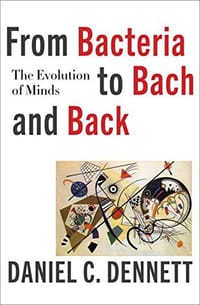
From Bacteria to Bach and Back
出版时间
2017-02-07
ISBN
9780393242072
评分
★★★★★
书籍介绍
这是一本把“意识”从神坛上请下来、又放回进化长卷里的书。丹尼特抛出的核心主张并不温和:世界上所有的聪明与理解,最终都源自那些“并不真正理解”的能力——细菌、神经元、基因、模因,层层叠加,才堆出能思考、能提问、能反思自身的我们。读者印象最深的,正是这句“能力先于理解”:我们不必先懂,也能做得对,理解只是事后才长出来的副产品。书中最具争议处,是他拒绝承认存在“难以解释的困难问题”,坚注意识并不比重力更神秘,只是“用户错觉”——一部装配了交互界面的机器,让我们无需看懂硬件也能自我操控。它适合愿意放弃“人类例外”幻觉的人:无论面对AI浪潮还是进化论,都能逼你重新掂量“智能”究竟从何而来。
作者简介
Daniel C. Dennett is University Professor and Austin B. Fletcher Professor of Philosophy at Tufts University and the author of numerous books including Intuition Pumps and Other Tools for Thinking, Breaking the Spell, Darwin’s Dangerous Idea, and Consciousness Explained.
AI导读
核心看点
- 探讨意识如何从细菌演化至人类心智
- 提出能力先于理解,意识是用户幻觉
- 结合自然选择与文化模因解释智能起源
读者共识
- 核心观点极具启发性,拓宽视野
- 论述过程极度啰嗦,阅读体验累
- 对AI恐慌的讨论精准且具前瞻性
精彩摘录
- "In chapter 2 a question was posed and postponed: Why have there been so few famous female geniuses? Is it genes or memes or a mixture of both? Our present vantage point suggests that the answer will lie more in features of culture than in cortex—but not by supporting the discredited mantra from the "
- "So far, there is a fairly sharp boundary between machines that enhance our “Peripheral” intellectual powers (of perception, algorithmic calculation, and memory) and machines that at least purport to replace our “Central” intellectual powers of comprehension (including imagination), planning, and dec"
- "all the brilliance and comprehension in the world arises ultimately out of uncomprehending competences compounded over time into ever more competent—and hence comprehending—systems."
- "As Douglas Hofstadter has noted, in an open letter to a former student, then at Google working on this project: It worries me and in fact deeply upsets me that Google is trying to undermine things that I depend on on a daily basis, all the time. When I put something in quotes in a Google search, I a"
- "一个有趣的现象是,“人类例外论”在相反的立场上引起了同样的震怒。一些科学家和许多动物爱好者将“人类例外论”视为一种最严重的缺乏科学性的智力犯罪,是持有“这个星球上所有的‘愚蠢’动物都是供人类使用和享乐的”这一由旧时代遗留下来的观念的不光彩的痕迹。他们指出,构成我们大脑的神经元跟构成鸟类大脑的神经元其实没有什么不同,而且很多动物的大脑跟人类的大脑一样大,它们以其种群特有的方式发挥着与人类同等水平的聪明才智。你越是研究野生动物的实际情况和行为,就越能欣赏到它们的才华。另外一些思想家,尤其是艺术、人文和社会科学领域的思想家,认为拒绝“人类例外论”是短视的、教条主义的,是科学主义最黑暗的一面,他们认为"
- "先从细菌到巴赫,再回来 本书中,丹尼特所要处理的核心议题可以分为两方面:第一,生命是怎样从细菌一步步演化出像巴赫这样强大的人类心智的?第二,人类的心智又是如何可能提出和解答这个难题的?我们会发现,这两个问题有某种自旋式的结构:其中任何一个问题的解答,似乎都要以另一个问题的解答作为前提。我们要以怎样的方式进入这个问题的怪圈呢? 像书名提示的,丹尼特推荐的次序是:先“从细菌到巴赫”,然后“再回来”。这意味着对自己的心智现象加以反思时,我们首先要做的是从第一人称视角中跳脱出来,进入第三人称视角,把自上而下的解释倒转为自下而上的解释。 他的思路大致可以总结为步步推进的三个“推理倒置”:首先,达尔文提供"
- "As the Chinese say, 1001 words is worth more than a picture. ~John McCarthy"
用户评论
心灵如何产生?简单的回答,心灵是一种思维工具,它不断地进化,以至于到了能够知道自己存在,甚至知道自己如何进化的程度。怎样的思维工具?词语,听说读写,画地图,制作罗盘,望远镜,电脑,互联网,等等。我们知道病毒的存在,狗不知道,海豚,猩猩也不知道。我们是唯一有思维工具的物种。
思路很清晰也很有趣,就是论述太啰嗦(举例简直是灾难,试图幽默地举例是重大灾难)。最后两页的概述很漂亮,想了解大致观点直接读这两页就可以了。
虽然对哲学史没太大兴趣,但是实在也没法理解对当代哲学家崇拜得五体投地的事例……(不针对DD,他是相对配得上被崇拜的人了)
写得不好。扯东扯西却没啥说服力。
Human brain is a work of nature and man-made selection. Comprehension emerges out of competence. Consciousness is a user-illusion..
heuristic
正值又一个AI的大浪潮。Competence without comprehension! 印象最深的是语言早期是如何进化出来的。
和《递归与偶然》搭配着一起看。
宇宙的循环与意识的循环,因果(“完满”的解释)与理由(人类需要的合理性),实然与应然,规律与规范。
我在想我应该如何重述丹尼特的理论呢?如何因果的理解规范或说规范如何从因果中建立?如何理解意识与世界?
我或许大概是看懂了吧。或许吧。
W. W. Norton & Company的其他书籍查看全部



求书
收藏