
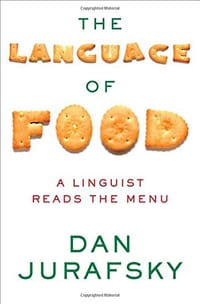
书籍介绍
这不是一本教人如何吃得更健康的饮食指南,也不是美食家的品鉴手册。作者Dan Jurafsky是斯坦福语言学家,他却把菜单、菜名、餐厅广告当成语料库,用统计语言学的尺子去丈量食物背后的社会密码:为什么越贵的餐馆菜单选项反而越少?为什么高档店爱用
作者简介
Dan Jurafsky, a recipient of a MacArthur "Genius Grant," is professor and chair of linguistics and professor of computer science at Stanford University. He and his wife live in San Francisco.
AI导读
核心看点
- 揭示菜单词汇与菜品价格的隐秘关联
- 追溯番茄酱、甜点等食物名称的词源
- 解析语言如何映射社会阶层与心理
读者共识
- 语言学家与吃货视角结合,妙趣横生
- 内容轻松易读,但深度洞见略显不足
- 关于菜单分析与词源章节最为精彩
精彩摘录
- "菜单上的语言学填空词与低价有关。正面含糊词(delicious, tasty, terrific)每出现一次,平均价格就下降9美分。诱人形容词(rich, chunky, zesty)则意味着下降2美分。"
- "By a hundred years later, in the eighteenth century, the word dessert was borrowed into both British and American English. In British English the word retained its meaning of a light after-course. Given the American attitude toward food (something on the order of “Why eat an apple when you can eat a"
- "人类学家坚持很久的观点:节日往往保留了日常生活所遗失的。"
- "但是所有的语言和文化都有一种本质上的相关性,那就是作为人类所有的社会及认知特质。这些方面——尊重差异,相信我们共有的人性——是悲悯情怀的原料。"
- "他在1963年《一个广告人的自白》中写道:“面对并不夸张傲慢的观众,不要使用夸张傲慢的语言。” 至少,奥格威建议将观众至少分为两类。一种是不夸张傲慢的观众,他们更注重家庭和传统。更富有的、中流或上流社会的观众则更注重教育、健康,并且尽己所能只求脱颖而出,与众不同,就像奥格威自己,穿着斗篷,在餐厅只点番茄酱。菲茨杰拉德也许是对的,他说“有钱人和你我不同”,但是薯片广告商明显认为有钱人想要和你我不同,正应了食物历史学家埃里卡·J皮特斯的格言,人们吃的“不仅反映出他们是谁,更说明他们想变成谁”"
- "这两种观众与我们人格的两面有关,这是我们在不同时间以不同程度使用的两种世界观。她们所谓的依存自我,指的是我们对家庭、传统与人际关系的重视。而独立自我则更注重我们的与众不同和独立自主。我们每一个人都有依存自我与独立自我,有时我们更需要真实、特别、自然的特性,有时则需要与家庭、文化、传统紧密相连。 换句话说,就和沃伦·赫尔曼一样,我们都是流水般没有固定模式的人,我们的国家和自我结合了两种模式一就写在每包薯片背面。"
- "菜单menu来自拉丁语,是minutus的缩短版,表示短小雅致、分行别类。"
- "语义漂白的例子:英语中的sauce(酱)来源于拉丁语salsus,原以为“盐腌的”,现在语义从一种咸味的酱汁扩展到了任何酱汁。"
用户评论
奇怪地错觉一直认为作者是个华裔。
茶余饭后的小故事,还挺有趣的
“These facets-respect for our differences, and faith in our shared humanity-are the ingredients in the recipe for compassion. That’s the final lesson for the language of food.”
王兴推荐的,在来回巴黎的大巴上看的,特别有意思,不过结构优点松散。
超有意思哪。虽然对于统计方法比较感兴趣,但是里面没有提哦。
太有意思了,食物名称与发音那块我觉得中文可能不太适用,但依旧不妨碍拓展认知
好玩,中文版的翻译质量不行,被迫看原版,发现不仅内容有意思,作者絮絮叨叨的闲扯都很俏皮可爱。中东伊斯兰的影响真是深远,哥伦布后的大交换让世界餐桌都丰富了起来,对比下中国就是一片孤岛,但也赋予了中餐从味道到就餐方式的独特性。cuisine grammar那里对创新菜式很有启发性。非常想去巴斯克区的圣巴斯蒂安看帅哥,下厨房,下馆子
学习了看菜单如何过滤水分✓Cuisine Structure和Grammar做类比也很棒!推荐懂语言学的小伙伴听一听
还行 适合排队打发时间看
Chinese red dates with frog fallopian tubes 十分准确无可反驳但tortoise jelly就还需斟酌吧。。
W. W. Norton & Company的其他书籍查看全部





下载
收藏