

书籍介绍
这本书最耐人寻味的地方,不在它预言了哪几次危机,而在它反复演示一个令人不安的循环:每一次萧条之后,经济学家和决策者都急着把教训收进抽屉,坚信“这次不一样”;结果下一次危机只是换了个面孔重来。从拉美、日本到亚洲,作者像一位执拗的病历记录者,把各国如何“栽进同一个坑”并“再次栽进”的过程摊开给你看。它适合那些不满足于“经济危机是运气不好”这类解释、而想看清危机背后重复逻辑的读者。读完后你未必能预测下一次崩盘,但会学会对“市场天然正确”“我们已掌握全部答案”这类自信保持警惕——这或许正是它比一般畅销经济书更值得反复翻开的地方。
作者简介
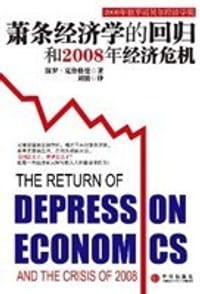
保罗·克鲁格曼,一个天才式的人物,诺贝尔经济学奖得主、普林斯顿大学经济学教授、畅销书作者、专栏作家。
克鲁格曼是新凯恩斯主义经济学派代表,主要研究领域包括国际贸易、国际金融、货币危机与汇率理论。1991年,他成为麻省理工学院经济系获得克拉克经济学奖的第五人。1994年成功预言亚洲金融危机,2008年独享诺贝尔经济学奖。
克鲁格曼的文笔清晰流畅,深入浅出,不仅是专业研究人员的必读之物,更是普通大众的良师益友。在公众的眼中,他是一位不可多得的大众经济学家,被誉为“自凯恩斯以降,文章写得最好的经济学家”。
主要作品有《现在终结萧条!》、《一个自由主义者的良知》、《萧条经济学的回归》、《兜售繁荣》。
AI导读
核心看点
- 回顾20世纪历次重大经济危机
- 剖析拉美与日本经济衰退根源
- 预警21世纪萧条经济可能回归
读者共识
- 案例生动,经济学原理通俗化
- 对理解当前经济危机有指导意义
- 文笔流畅,适合非专业读者入门
精彩摘录
- "Anyway, the equations and diagrams of formal economics are, more often than not, no more than a scaffolding used to help construct an intellectual edifice. Once that edifice has been built to a certain point, the scaffolding can be stripped away, leaving only plain English behind."
- "For the first time since 1917, then, we live in a world in which property rights and free markets are viewed as fundamental principles, not grudging expedients; where the unpleasant aspects of market system -- inequality, unemployment, injustice -- are accepted as facts of life. As in the Victorian "
- ""With the rise of the modern corporation, the emergence of the organization required by modern technology and planning and divorce of the owner of capital from control of the enterprise, the entrepreneur no longer exists as an individual person in the mature industrial enterprise." ...... The inform"
- "The benefits of export-led economic growth to the mass of people in the newly industrializing economies were not a matter of conjecture......These improvements did not take place because well-meaning people in the West did anything to help -- foreign aid, never large, shrank in the 1990s to virtuall"
- "Over the course of the 1970s a "new class" had become increasingly influential within Mexico's ruling party and government. Well educated, often with graduate degrees from Harvard or MIT, fluent in English and internationalist in outlook, they were Mexican enough to navigate the PRI's boss-and-patro"
- "Dornbusch and others argued that the problem lay in the value of the peso: an excessively strong currency was pricing Mexican goods out of world markets, preventing economy from taking advantage of its growing capacity What Mexico needed, then, was a devaluation -- a onetime reduction in the dollar "
- "What is supposed to happend when a country's currency is devalued is that speculators say, "Okay, that's over," and stop betting on the currency continued decline. That's the way it worked for Britain and Sweden in 1992. The danger is that speculatrors will instead view the first devaluation as a si"
- "......Argentina's curency board system was supposed to make the credibility of its peso invulnerable......But once speculation against the Argentine peso began, it became clear that the currency board did not provide the kind of insulation its creators had hoped for. True, every peso in circulation "
目录
前言
01 为什么穷,为什么富:看那些挣扎在危机边缘的国家
在当今的世界上,产权和自由市场被视为基本的准则,而不是勉强为之的权宜之计,至于贫富不均、失业、不公正等市场体系令人不快的方面也都被认定是无法更改的现实,被人们所接受。
社会主义出了问题,资本主义凯歌高奏
婴儿、货币与商业周期的故事
显示全部
用户评论
简明易看
克鲁格曼作为新凯恩斯主义代表人物,其学派观点在这本书里的着笔很重。这本书,他带领着我回顾了20世纪30年代以来的所有经济危机。最大的感受就是,经济危机的爆发,引导人们走向毁灭的正是那个贪婪的心。任何经济学原理在非理性的恐慌的面前都是微不足道的,经济学的核心就是人性。
在第三次金融危机即将来临的时候,凯恩斯主义是否合适我国国情,值得沉思
婴儿合作社的例子很可爱,通俗易读。危机的起因都是相似的,制度、机制可以一定程度地降低危机发生的可能性,但是人性啊,也总是会徒添一些小毛病来。下一本应该看《现在终结萧条!》吧~
【Kindle】基本观点讨论了发展中国家受制于三元悖论,导致货币政策在危机之时无法施展,致使经济衰退与信心危机陷入相互促进,自我证明的的恶性循环。作者支持凯恩斯的危机处理手段。
以史为鉴
比第一本做了一些 08 次贷危机的补充,但是没有想到会去掉很多东西
作者总结了历史上一次大萧条和数次大小衰退的规律,并提出问题的根因:不受监管的金融体系导致了杠杆化不断扩大,最终产生巨大的泡沫,泡沫总有一天会破。
最后,作者重申了凯恩斯思想在萧条经济学中的价值,并提出只有适时地、足量的货币政策和财政政策才能救市场于水火。
给出了一个通过货币调节需求端的稳定周期的方法。
萧条的一个重要来源是经济全球化。
我们笨手笨脚,不了解这个精密的仪器。
天下没有免费的午餐。在某一时刻部分资源是闲置的,我们怎么应该拿到它。




求书
收藏