
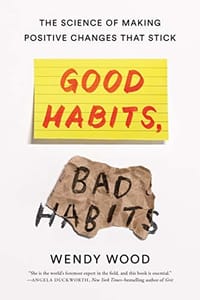
书籍介绍
这本书最颠覆常识的判断是:好习惯与坏习惯同出一源,背后是同一套学习机制。健身房里的坚持与每天两支烟,起作用的是同一个
作者简介
Wendy Wood is Provost Professor of Psychology and Business at the University of Southern California. She has written for The Washington Post and the Los Angeles Times, and her work has been featured in The New York Times, the Chicago Tribune, Time magazine, and USA Today, and on NPR. She lectures widely and recently launched the website Good Habits Bad Habits to convey scientific insight on habit to the general public.
AI导读
核心看点
- 本书基于严谨的行为科学研究,揭示人类43%的日常行为由潜意识习惯驱动,而非有意识决策。作者指出习惯与意志力无关,好习惯与坏习惯源于同一机制,强调不能依赖意志力来对抗坏习惯,而应利用科学原理重塑环境线索。
- 书中批判了依赖‘自律’和‘决心’的传统改变观念,证明持续克制诱惑会导致心理耗竭且不可持续。作者主张通过改变外部环境、增加坏习惯的摩擦力、减少好习惯的阻力,来被动地引导行为,而非主动对抗本能。
- 提供基于实证研究的习惯重塑策略,包括识别触发习惯的环境线索、切断旧习惯的奖励回路、建立新习惯的自动化路径。强调利用重大生活变故或环境重置作为打破旧习惯、建立新行为的契机,实现持久的积极改变。
读者共识
- 读者普遍认为本书观点颠覆且科学严谨,彻底打破了‘意志力决定论’的迷思。大家高度认同‘改变环境而非对抗本能’的核心主张,认为这是解决长期行为改变难题的唯一有效途径,对纠正自身错误认知有极大帮助。
- 多数读者反馈本书内容扎实,作者学术背景深厚,提供了大量令人信服的实验证据。虽然部分读者认为行文略显啰嗦或理论性过强,但普遍认可其作为习惯领域权威著作的价值,认为其比一般成功学书籍更有深度和实用性。
- 读者一致指出,书中关于‘习惯无好坏之分,仅取决于目标’的观点令人耳目一新。大家意识到坏习惯并非道德缺陷,而是环境诱导的结果。这种去道德化的视角减轻了读者的自责感,促使大家从客观角度重新审视并重构自己的生活环境。
精彩摘录
- "本书将会揭示,我们的思维中还存在其他部分,这些部分尤其适合用来建立重复性行为模式。它们就是习惯,更适合自发地发生,而不是在脑海中七嘴八舌地激辩,跟打辩论赛似的,后者通常只会发生在决策过程中。我们还将看到,我们的整个生命早已充斥着许多自发性的部分,它们是存在于你思维中的简单又勤奋的部分,如果你善加利用,必有所成。如果你想实现重要又长远的目标,还有什么比这更好的利器呢?跳过纷扰的思想斗争,撸起袖子直接行动,这就是习惯存在的意义 。"
- "在深入探讨之前,我想先强调一点:个体的好习惯(与目标一致)和坏习惯(与目标相悖)其实源于同样的学习机制。无论好坏,习惯的源头都是一样的。当然,好习惯和坏习惯带给人的体验大不相同,但不要让体验左右你对它们的看法。在定期去健身房和每天抽两支烟这两个习惯背后,起作用的是同样的机制。 当我们的目标是保持健康时,锻炼和吸烟会产生完全对立的影响。本书将告诉读者,如何运用对目标的有意识理解来为习惯性自我(habitual self)指引方向。我们可以制定日程表,也可以自我指导。如果我们知道习惯是如何运作的,就可以在习惯与目标之间建立起连接点,使二者协同并进,发挥其惊人的优势。我们将会看到,在某些事上这种协同"
- "我和我的一个学生朱迪·欧莱特(Judy Ouellette)对覆盖了5000多名受访者的64项研究进行了系统性回顾,收获了令人惊讶的发现。对于某些行为,人们的实际行动与期望是一致的。如果他们想报某一门课,或者想注射流感疫苗,他们通常会说到做到。 在一次性或偶发性行为中,意识决策(conscious decisions)处于主导地位,拥有强烈意愿的人才会有所行动。意愿越强烈,就越有可能付诸行动。但是,轮到其他行为时,人们的表现令人费解。在经常重复发生的行为(如回收垃圾或坐公交车)中,意图似乎失灵了。有些人也许心里想要回收垃圾,或者想要早上乘坐公交车去上班,行为上却不是这样的。如果他们平时总是将所"
- "值得注意的是,自然环境并非一开始就对减肥不利。要是我们的祖先听说未来食物一点儿也不稀缺、人们会为食物过多而困扰,他们一定会觉得很好笑。食物过剩不是唯一的问题。美国食品药品监督管理局(FDA)前局长大卫·凯斯勒(DavidKessler)说,食品产业的目标不只是满足顾客的需求。整个行业,包括种植人员、调制人员、测试人员、包装人员、市场营销人员、分销商和零售商,都在研发刺激消费者味蕾的食品,让人一刻不停地吃。有科学家正在绞尽脑汁地研究如何让你吃的比你需要的更多。知道这些是很重要的,不是为了打击你的信心,而是为了让你屡次减肥失败之后,仍能保持自我意识。今天我们所处的环境是我们减肥路上的一个巨大挑战,"
- "要想在这种环境下坚持减肥的意图,她必须不断抵制暴食和懒散的诱惑。如此一来,她的生活就会充满一个又一个艰难的抉择。每一天都会像是第一天,如同电影《土拨鼠之日》里演的那样:日复一日地抵制方便和舒适的诱惑,日复一日地克服潜在的弱点,日复一日地考验自己。 为了将新目标坚持到底,我们需要持续做出牺牲,在这方面决策和意志力并不是理想的工具。这太伤脑筋了,会让我们无暇顾及其他事!更重要的是,这种持续的克己(self-denial)会适得其反。 心理学家丹尼尔·韦格纳(Daniel Wegner)和他的同事设计了一项实验,旨在证明抑制欲望会适得其反。他们给参与者布置一项简单的任务:不要去想白熊。谁会闲着没事去"
- "如果我们利用新兴科学去研究习惯是怎么运作的、在什么情况下运作、为什么会运作,我们的生活将会大为不同。习惯是人类不可或缺的一部分,但它与直觉是如此相悖。正如你将在本书中看到的,这种难以被认知的属性是习惯的一个关键特征,能帮助习惯完成它的使命:尽管意识上我们想做别的,身体却坚持着习惯让我们做的行为 。 有意识的自我(即我们在决策、表达情感和发挥意志力时一直在体验的那一部分自我)是每天都会与我们相见的自我部分。我们有内省的能力,却深陷一个哲学困境:如何运用我们的感知和认知机制去了解机制自身。我们只能了解我们体验中可觉知的那部分自我。 习惯总是自然地发挥着作用,以至于我们很少关注它。习惯是独立运作的,"
- "我们估算出了习惯在日常生活中的发生频率,那是一个惊人的数字。在整整43%的时间里,我们的行为是习惯性的,是下意识的。 我们给出了人们习惯性行为所占比例的第一个科学评估,这个数字远远高于先前假设的数字。 但我仍有一种不安的感觉,我的研究并没有达到我预期的目标。我们的初衷是揭开意识的面纱,揭示隐藏在重复性行为背后的机制,结果我们对“习惯不是什么”了解得更透彻了,对“习惯是什么”却依旧一知半解。我们追踪人们生活中的各种习惯,却在自我认知(self-knowledge)的版图上引入了一大块空白。我们现在知道,生活的很大一部分是由习惯决定的,却依然不知道习惯是如何形成的。 这个问题有待进一步的研究。不过"
- "我们对习惯的误解在各类书中比比皆是:历史书、经济学书、健康指南、婚姻手册、躺在我们抽屉里的私人日记——对于我们为什么乐此不疲地做着重复性行为,我们有许多历史的、科学的以及个人的误解。关于如何培养高效的工作习惯、健康的饮食习惯、幸福的婚姻习惯、良好的育儿习惯、理性的理财习惯,网络文章和畅销书提供了看似合理但大多缺乏科学依据的建议。他们很少注意到习惯的一个关键特征:习惯独立于我们的意识,单独起作用。 只有在很偶然的情况下,我们才会意识到自己的行为出于习惯。我们通常会注意到自己不想要的习惯,比如在商场(又一次)超额消费、咬手指甲、在隔天必须早起的情况下熬夜看电视,也会注意到别人身上令人讨厌的习惯,并"
用户评论
书里面讲得道理都来自 well-researched behavioral studies,对于我来说并没有什么新意,但对不熟悉这方面研究的人来说应该是干货比较多的。一句话总结:改变你的环境,而不要靠所谓的“自制力”。
网络时代,我们常常忘了我们还有一个身体,不健康饮食就会发胖,熬夜不规律作息就会影响精力恢复,到底是我们主动选择熬夜还是被外界环境刺激影响决策阻碍了本来想早睡的选择。行为科学重点就是研究行为与主观意识之间的关系,环境与潜意识的关系。cue——›craving不如atomic habits写的实用,但纠正了Atomic Habits的部分观点的论据问题。最后一章提到的书Nudge,好几次遇到了看goodreads评分太低就没打算读,没想到是诺贝尔经济家关于行为经济学的self-help(improving decisions about health, wealth, and happiness), 必须找了读下。这本不推荐,离Tiny Habits差太多了。
养成习惯的四个步骤,寻找动力,减少阻力,奖励自己,不断重复。【所谓“意志力”和“自律”和好习惯没有必然联系,思想和技巧的结合更能促使习惯的养成。
我觉得还不错。非常同意很多事情光靠will power不是长久之计。良好习惯养成之后几乎不需要self control。喜欢jumping through the windows一章。比如Covid-19这样的事件可能将以往的习惯统统打乱,但这未必全是坏事,正所谓“不破不立”。
全是干货!Habit can help us as much as it can hinder us. Behavioral principles don’t discriminate good and bad habits. 能让我骑车听书越骑越快的有声书,作者自己读的感觉像是一系列优质播客,没有生硬的感觉,甚至能感觉到作者对自己的研究的热爱和乐观。
作者一开始就提出了一个例子, 讲的是她的newhew希望可以减轻自己的体重,所以在社交媒体上发了一则声明说自己肯定会开始减重的,并且也得到了很多亲朋好友的支持,但一个月之后这个侄子却没有做到。 这件‘声明’的事情反而变成了这个侄子的禁锢,因为自己明明说了要做到也得到了支持,但最后却不如自己预期,反而是让social media证实了自己的失败。 --我的解读, 首先不需要发声明这样可以降低朋友圈对你的预期; 同时开始真正的长期重复你想要达成的一个习惯 并且可以用社交媒体记录; 这样可以让自己得到 立马的社会认同,因为一旦有Immediate Gratification 那这个习惯才容易坚持, 同时一直坚持健身会得到最终Delayed Gratification- 减肥成功。
我们很多的行为都是基于习惯。聪明的人从一开始就做出正确的选择。他们的坚持不懈在他人的眼里是超凡意志力的体现,在他们却大部分是因为习惯。破旧立新需要借助外力,通常情况下这个外力不需要多大。人的快速反应常常是按习惯做出的。所以平时养成好习惯至关重要。
Farrar, Straus and Giroux的其他书籍查看全部
 The Copenhagen Trilogy
 I You We Them
 Severance
 The Gardener and the Carpenter
 The World Beyond Your Head
 Sestets
求书
收藏