
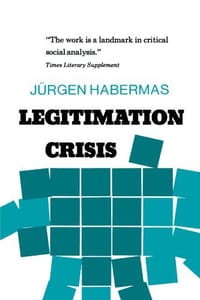
书籍介绍
这不是一本提供救世方案的著作,而是一次对晚期资本主义的精准病理切片。哈贝马斯的独特之处,在于他把危机的边界从经济领域推进到政治行政,再推向社会文化——当国家越是试图用行政手段去修复传统、制造认同,公众越是看穿合法化话语的空洞,反而加速了信任的瓦解。书中最耐人寻味的张力正在于此:他既批判理性的衰败,又固执地召唤理性;他看透了危机的机制,却对“危机之后是什么”含糊其辞。正因这份诚实的留白,它常被读者评为“粗糙”却“好读”,被看作Offe、BFN等后续思考的源头。它适合那些不满足于经济决定论、想理解‘系统’如何渗透进‘生活世界’、并愿意接受一个没有现成答案的批判者。
AI导读
核心看点
- 本书批判系统论将社会视为封闭机器的观点,指出危机并非环境突变,而是系统内部结构命令无法整合导致的持续失调。哈贝马斯区分系统整合与社会整合,强调行政手段无法创造意义,强行干预只会加剧合法性危机。
- 作者深入剖析晚期资本主义的危机传导机制,揭示经济领域的矛盾如何扩散至政治行政领域,最终侵蚀社会文化根基。国家试图通过行政手段恢复传统或再阐释文化以获取合法性,反而因手段的透明化导致合法性不战自败。
- 书中详细论述了传统社会与资本主义社会危机性质的根本差异。传统社会危机源于规范与阶级结构的直接冲突,而资本主义社会通过经济增长掩盖矛盾,但这种模式最终导致系统自主性增强与规范结构变化之间的不可调和,引发深层认同危机。
读者共识
- 读者普遍认为本书理论深度极高,逻辑严密但阅读门槛极大。许多读者反映内容晦涩难懂,甚至读后感到头晕,这并非作者表达不清,而是因其理论架构过于复杂且精准,对读者的抽象思维能力提出了极高要求,不适合浅层阅读。
- 尽管部分读者认为书中对危机解决途径的展望缺乏说服力,且被指为用高级学术词汇包装的政论,但大家一致认可其分析框架的价值。书中对资本主义危机扩散机制的洞察,以及对行政手段局限性的批判,被认为具有超越时代的预见性和批判力。
- 读者指出本书是哈贝马斯思想转折期的重要文本,虽然后续《沟通行动理论》对其进行了修正,但本书对系统论危机概念的批判依然精彩。有读者认为其粗糙之处恰恰反映了当时对福利资本主义批判的稀缺性,其理论贡献在于揭示了合法性危机的深层结构。
精彩摘录
- "“内在自然在和社会系统整合后依然还是一种类似于内在环境的东西,因为社会化的主体为了捍卫他们的个性拒绝彻底融入社会。我们不能把内在自然的社会化和外部自然的社会化(即生产)同等对待,都简单地理解为对环境复杂性的化约。系统运转的自由度通常是随着对环境复杂性的化约而扩大的,而内在自然的逐步社会化反而限制了系统偶然性的活动烦我。”"
- "“随着个体化水平的提高,社会化个体抵御分化出来的控制中心的决定的免疫力似乎也得到了加强。”"
- "可以肯定,这样做的时候,机动的余地是十分有限的,因为文化系统特别能抵制行政控制:意义从来就不是用行政手段创造出来的。"
- "获取合法化的”方式“一旦被看穿,对合法化的追求就会不战自败。"
- "今天的社会科学提供了一种系统论的危机概念。根据这种系统理论,当社会系统结构所能容许解决问题的可能性低于该系统继续生存所必需的限度时,就会产生危机。从这个意义上说,危机就是系统整合的持续失调。人们可能会否定这个概念在社会科学中的应用价值,认为它没有考虑到造成系统容纳不下(或是结构解决不了)控制能力的内在原因。社会系统的危机不是由于环境的突变,而是由于结构固有的系统命令彼此不能相容,不能按等级整合所造成的。当然,只有在我们能够确定对于维持生存十分重要的结构时,才能确定结构固有的矛盾。这种结构与其他的系统因素必须区别开来。系统因素可以改变,但系统本身必须保持不变。由于很难用系统理论的语言来明确界定社"
- "危机过程的客观性在于:危机是从无法解决的控制问题中产生出来的。认同危机与控制问题紧密相关。虽然行为主体绝大部分情况下都没有意识到控制问题的重要性,但这些控制问题造成了一些后果,对主体的意识产生了特殊的影响,以至于危及到了社会整合。关键在于什么时候会出现这种控制问题。因此,一种适当的社会科学危机概念应当能够把握住系统整合与社会整合之间的联系。“社会整合”和“系统整合”这两个概念,分别来自不同的理论传统。我们所谓的社会整合,涉及的是具有言语和行为能力的主体社会化过程中所处的制度系统;社会系统在这里表现为一个具有符号结构的生活世界。我们所说的系统整合,涉及的是一个自我调节的系统所具有的特殊的控制能力"
- "社会进化表现为三个层面,即生产力的提高,系统自主性(权力)的增强以及规范结构的变化。系统论在它的分析框架内通过降低环境的复杂性,而把社会进化限制在权利增长这个唯一的层面上。卢曼对社会学基本概念的重新定义就表现出这样一种趋势。我在其他地方已经尝试过指出,如果把生活中文化再生产结构中的有效性要求,诸如真实性、正确性等,理解为控制媒介,并且把它们和权力、金钱、信任以及影响等放到同一个层面上,它们就会失去其通过话语而能够得到兑现的意义。系统论只会承认经验实践以及经验状态属于它的对象领域,因而必定会把有效性问题转化为行为问题。因此,卢曼主张要对诸如认识与话语、行为与规范、统治与意识形态等概念重新加以定义"
- "首先我想来描述一下社会系统的三个普遍特征: 1.在生产过程(对外部自然的占有)和社会化过程(对内在自然的占有)中,通过真实的表达和需要证明的规范,即通过话语的有效性要求,社会系统与其环境之间进行了交流。生产和社会化发展过程都遵循可以用理性加以重构的模式。 2.在生产力和系统自律达到一定水平后,社会系统就改变了其理想价值。但是,理想价值的改变受到了世界观发展逻辑的限制,系统整合的命令对这种逻辑毫无作用。社会化的个体形成了一个内在环境,从控制的角度看,这种环境具有悖论色彩。 3.一个社会的发展水平取决于制度所容纳的学习能力,具体而言,取决于理论-技术问题和实践问题自身能否分化开来,话语型的学习过程"
用户评论
晚期资本主义的发展破坏了作为“自然”的文化传统,从而也消解了自身合法存在的根基。而国家越想通过行政手段介入来恢复或者再阐释这种传统,就会让人们反过来更加怀疑这种传统。发达资本主义国家经济领域的危机先是扩散到政治和行政的领域,再扩散到社会文化领域。。。然后就。。。其实我觉得一时半会儿也挂不了,还能再扩散到第三世界国家去。
Crisis arise when the structure of a social system allows fewer possibilities for problems solving than are necessary to the continued existence of the system
牛就牛在把那些大家重复来重复去的问题,换个思路剖开来。什么叫资产阶级文化的衰败?单单就表面议一议看多了就觉得不够给力。还是Habermas这样把背后的原因全部扯出来才给没有类似文化背景的人更多的代入感。前面很清楚,后面我读晕了。。。
待重读,读过沟通行动理论前两卷,而第三部分还是没有完全看懂。Orz
一本比较左的,比较好读的,也是比较粗糙的哈贝马斯。隐隐感觉哈贝马斯在最关键的地方上实在是犯糊涂。
对于后现代资本主义社会精辟的批判。其采用的逻辑框架非常值得思考和借鉴,然而对于未来的展望和危机的解决途径并没有给出令人信服的解释。
写这本他算是在转折期,在大家对welfare capitalism还没什么批评的时候,他就有这样的洞见了。而Offe后来的Contradiction也就是本书的一个extension吧。也preconceive了BFN里的Verreichlichung
Beacon Press的其他书籍查看全部
 What Patients Say, What Doctors Hear
 Trans Liberation
 The Straight Mind
 The Theory of Communicative Action, Volume 1
 Homo Ludens
求书
收藏