
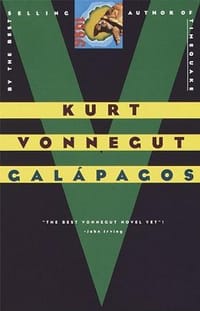
书籍介绍
这并非一部寻常的科幻末世小说。冯内古特借一场海难后的幸存者困守加拉帕戈斯群岛,把达尔文式的自然选择当成一台缓慢运转的机器:当杀伤性武器远超生物进化的速度,活下去的关键不再是更聪明,而是丢掉那个让人类彼此折磨的“ oversized brain”——它让婚姻、让爱、让一切清醒的痛苦变得不可能。书中连一只导盲犬都被摘除器官、被剥夺犬的本性,只为证明人类如何以“文明”之名系统地改造生命。读者最难忘的,恰恰是这种冷硬讽刺之下突然涌上的那一丝感动,很冯内古特。它适合愿意被冒犯、又愿意被抚慰的人:它不提供答案,只逼你重新追问,究竟什么值得保留,什么该被进化抛弃。
AI导读
核心看点
- 末日幸存者在加拉帕戈斯群岛开启人类新进化
- 黑色幽默讽刺过度发达的大脑与文明困境
- 反战反机械文明,探讨退化与生存的意义
读者共识
- 充满冯内古特式讽刺与荒诞的黑色幽默
- 叙事结构独特,部分读者觉得章节孤立
- 在荒诞中透出对人性与文明的深刻悲悯
精彩摘录
- "Kazakh, her seeing-eye dog, also a female. Mary had heard no barking, because Kazakh never barked. Kazakh never barked or played with other dogs or investigated interesting smells or noises or chased animals which had been the natural prey of her ancestors because, when she was a puppy, big-brained "
- "Kazakh wasn’t really a female anymore, thanks to surgery. Like Mary Hepburn, she was out of the evolutionary game. She wasn’t going to leave her genes to anyone."
- ""I'll tell you what the human soul is, Mary," he whispered, his eyes closed. "Animals don't have one. It's the part of you that knows when your brain isn't working right. I always knew, Mary. There wasn't anything I could do about it, but I always knew.""
- "What made marriage so difficult back then was yet again that instigator of so many other sorts of heartbreak: the oversize brain. That cumbersome computer could hold so many contradictory opinions on so many different subjects all at once, and switch from one opinion or subject to another one so qui"
用户评论
Kurt Vonnegut never lets me down, but makes me down every single time.
big brains are terrible!
literally stumbled upon this book ... explores a dark and interesting theme but not quite there yet
英文版book1断断续续看了大半个月,只要喜欢过冯内古特的任何一本书,其他人的书就很难读下去了
充满着浓浓讽刺意味的黑色幽默(btw什么叫黑色幽默?就是自以为有趣的无聊幽默hhh)。冯内古特被称作“postmodern Mark Twain”也确实有那味儿。不过全书的叙事结构是真的奇怪,至少我的观感非常一般。
杀伤武器技术的发展已经远超生物进化的速度,那么适应环境的下一步就是退化掉对人类最有害的大脑。冯内古特执着于用尽量多的人物编织一张人类个体叙事相互连接的网,使小说的主要部分成了过去而不是现在和将来,正如亲历二战的人们心灵已经永远被留在了二战,而新世界与旧世界别无二致,正如只有原子弹1/5威力却可以连续发射5枚的导弹完全无法被称为人类文明的进步和自制。
Audible 21/03. I don’t like this book. Each part feels so isolated that I can’t visualize a full picture the author tried to depict. The only way written about the future is “he would find that”, very plain, not attractive at all. The good parts are about the big head imagination and Darwin’s evolution. The last interview is way too judgemental.
“Oh well... he wasn’t going to write Beethoven’s ninth symphony anyway”

求书
收藏