
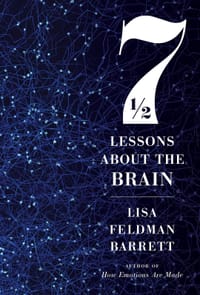
Seven and a Half Lessons About the Brain
出版时间
2020-11-17
ISBN
9780358157144
评分
★★★★★
书籍介绍
这是一本让你重新理解“大脑”的小书。它最核心的主张颇具颠覆性:大脑的主要任务不是“思考”,而是为身体做预算——每一笔能量收支,都以情绪的形式实时显现,如同一个内在的晴雨表。基于此,书中对“三层大脑”“蜥蜴脑”等流行说法提出质疑,也强调大脑靠预测而非被动反应来运作。这些观点在读者中引发明显分歧:有人读后豁然开朗,认为“身体预算”是理解情绪与健康的钥匙;也有人反感作者“科学家客串政治家”、借科普输出价值观。正因如此,它更适合愿意接受“大脑并非为理性而生”这一前提、并对情绪与身体关系真正好奇的读者;若你期待一本客观中立、干货密集的脑科学手册,或许会感到失望。
作者简介
LISA FELDMAN BARRETT, PhD, is among the top 1% most cited scientists in the world for her revolutionary research in psychology and neuroscience. She is a University Distinguished Professor at Northeastern University with appointments at the Massachusetts General Hospital and Harvard Medical School. Dr. Barrett was awarded a Guggenheim fellowship in neuroscience in 2019, and she is a member of the American Academy of Arts and Sciences and the Royal Society of Canada. She lives in Boston. More at LisaFeldmanBarrett.com. Twitter: @LFeldmanBarrett.
AI导读
核心看点
- 大脑核心功能是调节身体预算,而非单纯思考
- 大脑通过预测构建现实,感知是主动生成过程
- 破除三重脑神话,强调神经可塑性与社会现实
读者共识
- 内容通俗易懂,比作者前作更友好且易于理解
- 有效破除三重脑等过时理论,观点具有启发性
- 部分读者认为干货比例适中,存在价值观输出
精彩摘录
- "当我说责任时,我并不是说人们生活中所经历的悲剧或苦难都应归咎于他们自己。我们不能选择我们所接触的一切。我也不是说患有抑郁、焦虑或其他严重疾病的人应该为自己的痛苦负责。 我想说的是:有时我们要对一些事情负责,不是因为这是我们的错,而是因为我们是唯一能改变它们的人。"
- "人类大脑不仅能有效地监督600多块肌肉的运动,平衡几十种不同的激素,每天以2000加仑的速度泵血,还能调节数十亿个脑细胞的能量,消化食物,排泄废物,对抗疾病。而它一工作就是72年,无间断,也几乎无差错。你的身体预算就像一家拥有数千个财务账户的大型跨国公司,而你的大脑完全胜任这项任务。人类身体预算发生在一个极其复杂的环境中,而与其他大脑的互动,让这个世界越发具有挑战性。"
- "Remember that your brain changes its own wiring after new experiences, a process called plasticity."
- "作为社会性物种的另一个优势是,当我们与自己信任的同事和上级一起工作时,我们的工作表现会更好。一些雇主会有意培养这种信任并从中获益。……如果在一个工作环境中人们彼此信任,他们身体预算的负担就会减少,节省下来的资源就可以用在创新上。"
- "情感就像一个你当前表现的晴雨表。记住,你的大脑一直在为你的身体做预算。你的身体预算无论是平衡还是出现了赤字,都可以通过情感展现出来。"
- "社会现实是一种超级力量,是人类大脑共同努力的成果。因为社会现实,我们有了把握自己命运的可能性,它甚至会影响我们物种的进化。只要共同努力,我们就可以创造抽象的概念,分享它们,并将它们编织成现实,这样就可以征服任何环境——无论是自然的、政治的还是社会的,我们对现实的控制比我们所能想象的要多得多。我们对现实的责任也比我们所能意识到的要大得多。"
- "所有这些预测都是逆向发生的,与我们的体验相反。你不和我似乎都是先知后行动的。你看到一个敌人,然后举起你的步枪。但在你的大脑中,感觉实际上是第二位的。你的大脑会首先为行动做准备,比如将食指放在扳机上,调整身体预算以支持这个动作。大脑还把这些预测传递到你的感觉系统,如你指尖上钢铁般冰凉的触感和心跳加速的感觉。以那个士兵为例,他的大脑听到树叶沙沙作响,这引导他把手放在枪上,并误导他看见了根本不存在的敌人。。 没错,在你意识到自己的动作之前,大脑已经启动了你的行动。了解这一点非常重要。毕竟,在日常生活中,你做很多事情都是有选择的,对吧?至少看起来是这样的。例如,你选择打开这本书,阅读里面的文字。但大脑"
- "我知道这种描述有违常识,但这就是事实,甚至还有更多。整个构建过程都是可预见的。科学家现在相当确定,在那些光波、化学物质和其他感官数据进入你的大脑之前,你的大脑实际上已经开始感知周围世界每时每刻的变化了。你身体的变化也是如此一在你的器官、激素和各种身体系统提供相关数据之前,你的大脑就已经开始感知这些变化了。这并不是你体验感官的方式,但它是你的大脑导航世界和控制你的身体的方式。 预测把光波转化成你看到的物体,将气压的变化转化为可识别的声音,将微量的化学物质转化为气味和味道。预测可以让你理解这一页上弯弯曲曲的线条,并将它们理解为字母、单词和想法。这也是为什么当句子没有结尾时,人们会感到不满意。 事实"
用户评论
太短了,后面几章开始升华思想,感觉像是在看赫拉利的人类简史
大脑主要是用来调节身体各部分系统运行的,并不是为了思考;三层大脑是过时的理论,神经元形成了复杂的网络,并不存在单一的功能;大脑主要靠预测来行动,如果内部模型与外部环境不协调,就会出问题;人类大脑并不是体积最大的,也不是动物里独有的结构。关于大脑的基因都一样,只是后面生长阶段的时间不同,结果就产生了差异;人类有漫长的学习过程,这就允许通过环境来塑造大脑,来传递部落文化;情绪,是身体内部状态的对外表象。
好看好看
I admire her ability to tackle such a big topic in such simple and effective language. Yes, certain parts get quite political, but as someone once said, "Everything is political." So that's not a problem at all.
越看越觉得大脑像一块复杂的电路板,任何感官输入的信息都是一个开关,会激活你脑子里的某条神经通路。神经通路来自过去的经验,经过反复强化而形成,一旦激活会像程序一样自动化运行。大脑就靠这些神经通路来实行预测,接着调节身体预算来实现预测,从而提高生存效率。当然,预测的过程快到不可察觉。预测失调会引起很多问题,比如各种心理疾病。
when your predicting brain is right, it creates your reality. when it's wrong, it still creates your reality, and hopefully it learns from its mistakes.
Allostasis.
第一句话就给你点了 原来caregivers会curate little brain tuning和pruning 解了我一个大迷:我们是生活在大脑的prediction/hallucination 而不是photograph中 怪不得我总会出现把a看成b的情况 因为语言和控制身体内部是在一片大脑区域 所以长期的言语中伤真的会对人身体造成损害 鉴于mbti是选择你相信的自己 准确度还不如霍格沃茨分院帽
人的大脑和其他哺乳动物没有特别大区别,主要是用来节律身体,而不是用于思考, triune brain的理论是错的;大脑一部分是后天培养的(相对其他生物而言),因此幼儿时要注意养成、避免“持续忽视”造成的影响;大脑用于预测 vs. 学习;每个人的心理类别差别很大,没有通用的类型(如MBTI等);大脑构建了social reality (vs. physical reality). 总的来说属于科普书,感觉没有什么actionable的东西...
前面部分特别好,打破了很多错误认识。语气也活泼,看起来不枯燥。
解释了一些谬误,重点讲了认知与现实的差异以及大脑在社交和社会现实方面的影响,这部分选材有新意,也有苦心:我们可以为未来的自己创造过去,有自愈创伤的能力;我们的大脑也对他人和社会的面貌负有责任。作者自己读的有声书,对听众非常友好,感觉她很懂读/听者的领悟过程,就像她在书里说的,说话是为了让人听懂。
Houghton Mifflin Harcourt的其他书籍查看全部



求书
收藏