
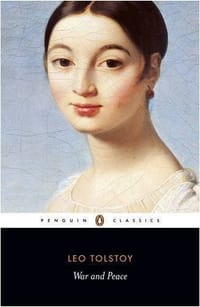
书籍介绍
这并非一部让人轻松翻阅的通俗史诗。多位读者用整整一年、四个月甚至几度放弃才读完这1358页,它像一块需要啃食的砖头,却也让人从此爱上「砖头书」。真正打动人的,是托尔斯泰对人物内心近乎残酷的精准:他写爱情,写到神经层面的激发与占有幻想;写人脸的肌肉如何泄露无法伪装的真实感受;写父子、夫妻、兄妹在重大人生节点上的微妙张力。而全书最具争议处,莫过于作者反复插入的哲学思辨——他借「苹果落地」「时针与钟声」的比喻,把拿破仑、亚历山大降格为「给事件命名的标签」,质疑所谓大人物对历史的支配。正是这种将小说与史观、心理与思辨绞合在一起的野心,让它在同类名著中独树一帜:适合愿意被作者「教训」、并享受被颠覆认知的读者。
作者简介
Count Leo Tolstoy was born on September 9, 1828, in Yasnaya Polyana, Russia. Orphaned at nine, he was brought up by an elderly aunt and educated by French tutors until he matriculated at Kazan University in 1844. In 1847, he gave up his studies and, after several aimless years, volunteered for military duty, serving as a junior officer in the Crimean War before retiring in 1857. In 1862, Tolstoy married Sophie Behrs, a marriage that was to become, for him, bitterly unhappy. His diary, started in 1847, was used for self-study and self-criticism; it served as the source from which he drew much of the material that appeared not only in his great novels War and Peace (1869) and Anna Karenina (1877), but also in his shorter works. Seeking religious justification for his life, Tolstoy evolved a new Christianity based upon his own interpretation of the Gospels. Yasnaya Polyana became a mecca for his many converts. At the age of eighty-two, the writer’s health failed him in Astapovo, Russia, where he died on November 20, 1910.
Antony Briggs has translated widely from the Russian, especially Pushkin, and is the author of several critical books on Russian literature. Orlando Figes is the author of A People's Tragedy: The Russian Revolution, 1891-1924 and, most recently, Natasha's Dance: A Cultural History of Russia.
AI导读
核心看点
- 史诗级叙事,交织战争与和平中的人物命运
- 深刻探讨自由意志与历史必然性的哲学思辨
- 细腻刻画人物心理,展现人性光辉与复杂
读者共识
- 阅读过程艰难且耗时,但完成后的成就感巨大
- 人物心理描写极佳,但部分情节与后记略显冗长
- 公认文学经典,能引发对生命与幸福的深层思考
精彩摘录
- "当我们完全不了解一种行为(不论这是一种罪行还是一种善行,或是一种无所谓善恶的行为)的原因时,我们认为这种行为的自由成分最大。如果我们看到的是罪行,我们就急于想惩罚它。如果我们看到的是善行,我们就赞赏它。如果我们看到的是无所谓善恶的行为,我们就认为它最独特、最自由。但如果我们知道无数原因中的一个,我们就会看到一定程度的必然,我们就不会那么坚持惩罚罪行,不会那么赞赏善行,对貌似独特的行为也并不觉得那么自由。"
- "苹果熟了就落下来,但它为什么落下来?是因为地心吸力,是因为果柄于枯,还是因为苹果被太阳晒熟,果实变重了,因为风吹动它,还是因为站在树下的孩子想吃它? 这都不是原因。这一切只是由于发生重大的有机的自发事件所需条件的偶合。植物学家发现苹果落下是纤维质腐烂等原因造成的。站在树下的孩子说,苹果落下是因为他想吃并为此做了祷告。他们的说法同样都是又对又不对。有人说,拿破仓到莫斯科是因为他想去那里,他的灭亡是因为亚历山大要他灭亡;另外有人说,一座被挖空的大山塌陷是因为最后一个工人挖了最后一镐土。这两种说法同样都是又对又不对。历史事件中的所谓大人物,其实只是给事件命名的标签罢了。他们同事件本身的关系极小,就像"
- "皮埃尔的疯狂就在于,他不像过去那样要在人们身上找到个人优点才爱他们,现在他的内心充满爱,他无缘无故地爱人们,并且总能找到值得爱的理由。"
- "在有关一八一二年历史论著中,法国的作者总是津津乐道拿破仑如何感觉到战线拉长的危险,他如何寻找决战的机会,他的元帅们如何劝他在斯摩棱斯克停下来,并且引一些别的论据,证明当时已经感到那场战争的危险;而俄国的作者更喜欢谈论什么战役一开始就有一个引诱拿破仑深入俄国腹地的西徐亚人的战争计划,这个计划有人说是普弗尔拟的,有人说是某个法国人拟的,有人说是托尔拟的,有人说是亚历山大皇帝本人拟的,并且援引了一些笔记、方案和书信,其中果然有这种作战方案的暗示。但是,所有这些对既成事实的预见的暗示,不论是俄国人作出的还是法国人作出的,之所以现在公之于世,只不过因为既成的事件证实了这些暗示。如果事件没有实现,这些暗示"
- "“然而,每次只要有征服,就有征服者,一个国家里,每次只要有大的改革,就有伟大的人物。”历史这样说。的确,每次征服者出现,就会有战争,人的智慧这样回答,但这并不能证明征服者是战争的原因,也不能在一个人的个人活动中找到战争的规律。每当我看见钟表的时针指到十,就听见邻近教堂鸣钟,但由此我没有权利得出结论说:钟表的时针指的位置是教堂的钟运动的原因。 每当我看见机车启动,就听见汽笛响,看见开汽门和轮子转动;但并不能因此我就有权利下结论说:汽笛响和轮子转动是机车运动的原因。 农民说,暮春吹起冷风,是因为橡树发芽了,而实际上,每年春天橡树发芽时,都吹拂着冷风。虽然我不知道每当橡树发芽就有冷风吹拂的原因,但是"
- "这仅仅是推测,看重它的是一些年轻人,而不是库图佐夫。他积六十年的经验知道……那些抱有某种愿望的人们总有办法收集一些似乎可以证实他们愿望的消息,在这种情况下,他们总是忽略一些相反的消息。库图佐夫越是希望那样,他就越不允许自己相信那是真的。"
- "他认识到,世上并没有什么可怕的东西,他认识到,世上没有哪个环境是人在其中过得幸福和完全自由的,也没有哪个环境人在其中过得不幸福和不自由的。他认识到,痛苦有一个界限,自由也有一个界限,而且这个界限非常接近;一个人为他的锦绣被褥折了一个角而感到苦恼,也正如他现在睡在光秃秃的湿地上,一边身子冷一边身子热而感到苦恼一样;从前他曾为穿紧脚的舞鞋而感到痛苦,而现在他完全光着脚(他的鞋早已破烂了),用两只布满伤口的脚走路,也感到同样的痛苦。他认识到,当时他自以为出于自愿和妻子结婚,并不比现在夜里把他关在马棚里更自由。在所有他后来称作痛苦的事情中(不过他当时几乎没有感觉痛苦),最要命的是那双赤裸的、磨破的、伤"
- "人的智力无法理解各种现象的全部原因,但人的心灵却往往想探索它们。人的智力不深入了解无数错综复杂的条件,只随便抓住一个首先碰到的近似条件说:这就是原因。在历史事件中,最原始的近似条件是神的意志,然后是站在历史显耀地位的人的意志,也就是历史上英雄人物的意志。但是,只要深入了解每一历史事件的性质,也就是深入了解参与其事的全体群众的活动,就会相信历史上的英雄任务不仅没有引导群众的活动,而是常常处于被引导地位。"
用户评论
暑假计划:儿子读完哈利波特,我读完战争与和平。终于完成任务。
2021.10.17-2022.1.10
有的人在现实里体验生活,有的人从书里感受生活。我好像是后者…生活似乎止步不前但是我却感觉自己可以通向所有地方。
阅读是一座随身携带的避难所,谢谢托尔斯泰收留我这么久。Anthony Briggs的翻译特别棒,很好读。读完战争与和平有有什么体验?体验就是大家都说好的东西确实是好!我现在明白了“如果一辈子只读一本书,那就读战争与和平吧!”或者“如果上帝会写书,写出来就是战争与和平”,“史上最伟大的小说”诸如此类的评论,完全属实。希望我能再读一遍。
妈呀,整整读了一年,巨作果然不能随便读。
终于看完了巨作,第二部分后记讨论时代背景的哲学思辨实在看不下去就没勉强了。后记总共150页的话我有大概一半没读,那就是读了1300多页,这是迄今为止读过最厚最厚的英文了(其实中文也没读过这么厚的),这让我觉得很有成就感。读了一个多月,两次都停在了10%左右就停下了,可是又想挑战自己,就又强迫自己捡了回来。看得不是书,告诉自己就当学习英文,很长的句子就去挑主谓宾这样就能很好的理解。很多生单词,每次都感慨什么时候可以不怎么查单词全部看懂呢?比如carriage, wagon, cart, (还有一个单词忘记掉怎么拼了)我现在也不明白他们的区别在哪里?为了完成这周看完的任务,周末有时候真的会除了吃饭都在看书,好像把看书当成了逃避现实的方式,有时候也不懂自己是真的喜欢看书还是在逃避现实?
100颗星吧
断断续续,中间几度放弃,读了一年多,终于读完了这本巨著,1358页。最后两个美好女性婚姻生活真是让人无语,算是烂尾吗?后记/尾声更是啰哩啰嗦,长篇大论,让人不忍卒读,减掉一颗星。
very good
终于从封皮读到封底,从去年十一月开始,特别好看,翻译也很好
你可能会关注的书籍
 A Daring Coiffeur: Reflections on "War and Peace" and "Anna Karenina"
 Peace and Reform, Against War and Corruption. in Answer to a Pamphlet, Written by Arthur Young, Esq. Entitled "The Example of France a Warning to Brit
 On The Law Of War And Peace
 Cavalry, a Popular Edition of "Cavalry in War and Peace"
 Philosophers of Peace and War
Penguin Classics的其他书籍查看全部
 Driftglass
 Monkey King
 Childhood, Youth, Dependency
 The Great Gatsby
 On Writing History from Herodotus to Herodian
 Faces of Love
下载
收藏