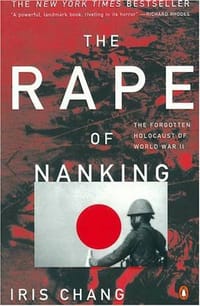
The Rape of Nanking - Iris Chang

The Rape of Nanking

Iris Chang

出版社

Penguin Books

出版时间

1998-11-01

ISBN

9780140277449

评分

★★★★★
书籍介绍
“这是我真正不得不写的一本书。我写,是出自义愤。即使拿不到一分钱,我也不在乎。让世界知道1937年在南京发生了什么事,对我来讲,这才是重要的。”                                      ——张纯如 作者照片: 张纯如,在新泽西州普林斯顿出生,在伊利诺州长大。1989年从伊利诺大学毕业后,曾在美联社和芝加哥论坛报当记者,后来从约翰·霍普金斯大学获得写作学位,并开始全职写作和演说。 张纯如出身书香门第,祖父是抗日国军将领张铁军,后曾为台湾中华日报总主笔。其父当年是台大物理系“状元”,其专著《量子场论》在美国理论物理学术界颇有影响。张纯如的母亲一直从事生物化学的研究工作。 张纯如曾荣膺麦克阿瑟基金会“和平与国际合作计划”奖、美国华人团体“年度女性”称号,并且获得美国“国家科学基金会”、“太平洋文化基金会”及“哈利·杜尔门图书馆”赞助。张纯如曾成为世界最著名的文摘杂志《读者文摘》的封面人物,受到许多电视节目邀请,包括著名新闻访谈节目《夜线》(Nightline)和《吉姆莱赫新闻时间》(NewsHour With Jim Lehrer),也为多家出版物(包括《纽约时报》和《新闻周刊》)写稿。她与NBA体育明星“东方小巨人”姚明、著名钢琴家郎朗被誉为当下美国最引人瞩目的三位华人青年。 1997年,张纯如的《南京大屠杀:被二战遗忘的浩劫》在美国出版。与南京大屠杀有关的研讨会也因此在美国哈佛及斯坦福等大学举行,美国新闻媒介都大幅报道了南京大屠杀。张纯如自己也曾到纽约等地作关于这段历史的演讲。《南京大屠杀》是首部全面记录当年日军血洗南京城暴行的英文著作,曾连续5个月被列为《纽约时报》书评的最佳畅销书,引起英语世界对二次大战时日本在中国实施暴行的关注。1998年4月,东方出版社翻译的20万字《南京大屠杀:被二战遗忘的浩劫》中译本在北京出版。 2004年11月9日,张纯如突然在美国加州自己的轿车内用手枪自杀身亡。有消息推测,年仅36岁的她可能因患抑郁症自杀。 在她的网上祭奠堂的挽联中这样写道: 历经千辛示倭鬼恶昭告世界中华第一人, 自古有死太息青云一瞬如君摇落更堪悲。 Publisher Comments : In December 1937, the Japanese army swept into the ancient city of Nanking. Within weeks, more than 300,000 Chinese civilians were systematically raped, tortured, and murdered — a death toll exceeding that of the atomic blasts of Hiroshima and Nagasaki combined. Using extensive interviews with survivors and newly discovered documents, Iris Chang has written what will surely be the definitive history of this horrifying episode. The Rape of Nanking tells the story from three perspectives: of the Japanese soldiers who performed it, of the Chinese civilians who endured it, and of a group of Europeans and Americans who refused to abandon the city and were able to create a safety zone that saved almost 300,000 Chinese. Among these was the Nazi John Rabe, an unlikely hero whom Chang calls the "Oskar Schindler of China" and who worked tirelessly to protect the innocent and publicize the horror. More than just narrating the details of an orgy of violence, The Rape of Nanking analyzes the militaristic culture that fostered in the Japanese soldiers a total disregard for human life. Finally, it tells the appalling story: about how the advent of the Cold War led to a concerted effort on the part of the West and even the Chinese to stifle open discussion of this atrocity. Indeed, Chang characterizes this conspiracy of silence, that persists to this day, as "a second rape". Amazon.com China has endured much hardship in its history, as Iris Chang shows in her ably researched The Rape of Nanking, a book that recounts the horrible events in that eastern Chinese city under Japanese occupation in the late 1930s. Nanking, she writes, served as a kind of laboratory in which Japanese soldiers were taught to slaughter unarmed, unresisting civilians, as they would later do throughout Asia. Likening their victims to insects and animals, the Japanese commanders orchestrated a campaign in which several hundred thousand--no one is sure just how many--Chinese soldiers and noncombatants alike were killed. Chang turns up an unlikely hero in German businessman John Rabe, a devoted member of the Nazi party who importuned Adolf Hitler to intervene and stop the slaughter, and who personally saved the lives of countless residents of Nanking. She also suggests that the Japanese government pay reparations and apologize for its army's horrific acts of 60 years ago. From School Library Journal The events in this book are horribly off-putting, which, paradoxically, is why they must be remembered. Chang tells of the Sino-Japanese War atrocities perpetrated by the invading Japanese army in Nanking in December 1937, in which roughly 350,000 soldiers and civilians were slaughtered in an eight-week period, many of them having been raped and/or tortured first. Not only are readers given many of the gory details?with pictures?but they are also told of the heroism of some members of a small foreign contingent, particularly of a Nazi businessman who resided in China for 30 years. The story of his bravery lends the ironic touch of someone with evil credentials doing good. Once the author finishes with the atrocities, she proceeds with the equally absorbing and much easier-to-take story of what happened to the Nazi businessman when he returned to Germany and the war ended. This by itself is material for a movie. The author tells why the Japanese government not only allowed the atrocities to occur but also refused, and continues to refuse, to acknowledge that they happened. She is quite evenhanded in reminding readers that every culture has some episode like this in its history; what makes this one important is the number of people killed and tortured, the sadism, and the ongoing Japanese denial of responsibility. Mature readers will look beyond the sensational acts of cruelty to ponder the horror of man's inhumanity to man and the examples of heroism in the midst of savagery.                        Judy McAloon, Potomac Library, Prince William County, VA From Library Journal Even
AI导读
核心看点
  • 首部全面记录南京大屠杀的英文著作
  • 揭露日军暴行及战后日本右翼掩盖真相
  • 作者张纯如以生命为代价唤醒世界记忆
适合谁读
  • 希望了解二战亚洲战场真实历史的读者
  • 关注历史正义与人道主义精神的思考者
  • 对张纯如生平及跨文化写作感兴趣的读者
读前提醒
  • 书中暴行描写残酷,心理承受弱者慎读
  • 建议结合拉贝日记等史料交叉印证阅读
  • 注意区分作者义愤与部分史料细节争议
读者共识
  • 铭记历史,遗忘浩劫等于二次杀戮
  • 作者用生命写作,令人肃然起敬
  • 直面人性之恶,反思战争与民族性

本导读基于书籍简介、目录、原文摘录、短评和书评生成,不等同于全文精读。

精彩摘录
  • "在一个眩晕的瞬间,我陡然明白生命和人类的经历本身都是如此脆弱。我们从小就知道死亡是什么。任何人都会被卡车或者巴士撞到,生命随之在刹那间消失。如果没有某种宗教荥阳,我们会认为这样的死亡是毫无意义也不公正的对生命的剥夺。但我们也知道,大多数人都尊重生命和死亡的过程。如果你被一辆巴士装撞了,也许有人会乘你受伤的时候偷走你的钱包,但更多的人会来帮你,抢救你宝贵的生命。有人会拨急救电话,有人会奔跑到街上叫当班的警察,还有人会脱下大衣,叠起来垫在你的脑后。这样,即使这是你生命的最后时刻,你也能从这些很小却很温暖的事情中感受到他人的关心。挂在普库提诺墙上的照片却展示了千千万万的生命会因他人的狂妄念头而遭到毁"
  • "1948年3月,国民政府南京市长来到瑞士,购买了大量的奶粉、香肠、茶叶、咖啡、牛肉、黄油和果酱,用4个大包裏将这些食品寄给了拉贝。自1948年6月到1949年中国人民解放军进入南京,南京人民每月都给拉贝寄一包食品,以表达他们对拉贝在南京国际安全区所做的一切的衷心感谢之情。国民党政府还指出,如果拉贝愿意返回中国,将为他提供住房和终身养老金。 对拉贝及其家人来说,这些包裹仿佛从天而降。因为在那些包裹到达之前,拉贝一家采集野菜,煮成汤让孩子们吃,大人则凭着一点干面包维持生命,当拉贝给南京写信时,柏林的市场上连面包都没有了,这也使得那些包裹更加宝贵。拉贝一家对南京人民的支持十分感激,拉贝也在信中说,南"
  • "“几乎所有残存的建筑都曾遭到焚毁,持续闷烧的断壁残垣冒着青烟,街道上渺无人迹,一派阴森恐怖的景象。唯一可见的活物便是野狗,它们以啃食大量的尸体为生,长得异常肥胖。这里原本人口稠密,曾经生活了大约10万人,但目前在整个松江镇,我只见到5位老人,他们躲在一座法国传教会的院子里,老泪纵横。”"
  • "“在中国人面前表现出色,从而赢得他们对日本的信任”。"
  • "该命令包含着一种残忍的逻辑。日军无法向战俘提供食物,所以必须将他们消灭。杀掉战俘不仅可以解决粮食问题,而且消除了报复的可能性。毕竟,死去的敌人无法组织游击队。"
  • "东史郎心中五味杂陈,他为中国士兵感到难过,这些人又饥又渴,饱受惊吓,不断地要水喝,并再三要求日本人保证不会杀掉他们。与此同时,他又对这些人的懦弱感到厌恶。当想到自己在先前的战斗中曾偷偷害怕过中国人时,东史郎突然感到很羞愧。他有一种自然的冲动,不由自主地贬抑这些囚犯作为人的属性,将他们比作昆虫和动物。"
  • "当天早晨,日军宣布他们要把这些中国战俘转移到长江中心一个叫八卦洲的小岛上。他们对这些战俘解释说,他们的这次行动需格外谨慎,于是将俘虏的双手反绑到背后——仅这一项工作就花费了整整一上午和大半个下午的时间。"
  • "日军挨家挨户地要求市民打开大门欢迎胜利之师。然而店主刚一顺从,日军立即向他们开火。日军用这种方式屠杀了数以千计的市民,然后有计划地洗劫了他们的商店,并将那些对自己没用的东西付之一炬。"
用户评论
面试的时候脑袋一片空白竟然说了它..>f<而且几个老外竟然都读过...
最不尊重这段历史的反而是我们自己 当数以万计难民的生命全依仗异邦人的同情时我们的影视剧却能用以裤裆藏雷手撕鬼子去弱化残忍,娱乐大众,给人们种下当年屠杀过我们的民族「不过如此」的意识。
Lest we forget
这是一本在阅读时让我时常无法继续的书。Ordeal/humanity/中国人。 别的不说了。感谢张纯如,怀念她,不忘她。
很想一口气看完但是因为扛不住那种精神压力于是分了几次陆陆续续看完的书
Graphic and bloody historical record
书名为什么选择了rape而不是massacre,genocide,slaughter,carnage or extermination.这么一比来还是rape这个词最残忍。看历史纪实真的很有意思,站在此刻的维度回溯,有某种上帝视角,对自己而言,如何摆自己、过去的中国人、现在的中国人、过去的日本人、现在的日本人的相对位置,这场灾难到底是怎么造成的,现在又要怎么去对待,以避免它现在依旧在造成的二次三次伤害。想必张纯如的自杀也是很大受到此书的史料整理的精神折磨所致。此外一读原版书就猜到简中出版又被censor了,不讽刺么,和后来那些想要掩盖历史的日本极右翼又有什么区别?
成千上万的生命由于他人一时的恶念闪现而陨落,第二天他们的死亡就变得毫无意义。纵然此类死亡不可避免,这依旧是人类历史上最恐怖的惨剧。更令人无法容忍的是,这些刽子手还侮辱受害者,强迫他们在死前承受最大限度的痛苦和羞辱。这种对待死亡及其过程的残忍和蔑视,这种人类社会的巨大倒退,将会被贬抑为没有价值的历史插曲,或者电脑程序中无足轻重的小差错,可能会、也可能不会再次引起任何问题。除非有人促使世界记住这段历史,否则悲剧随时可能重演。
愤怒、恐惧、难受、难以置信.....阅读时的情绪真的很复杂
光听一听暴行的细节就让我发抖,可以想象作者为了写这本书经历了什么。
收藏