
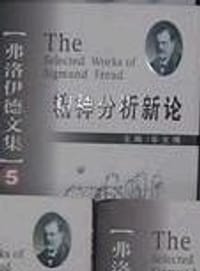
书籍介绍
AI导读
核心看点
- 系统收录精神分析奠基之作
- 深入解析潜意识与梦的机制
- 揭示压抑、禁忌与心理动力
适合谁读
- 心理学与哲学专业学生
- 对精神分析理论感兴趣者
- 文学批评与人文社科研究者
读前提醒
- 译本质量参差,建议对照原文
- 理论晦涩难懂,需静心细读
- 部分观点具时代局限,需批判
读者共识
- 学术地位崇高,必读经典
- 翻译水平争议大,阅读门槛高
- 释梦理论至今仍有借鉴意义
本导读基于书籍简介、目录、原文摘录、短评和书评生成,不等同于全文精读。
精彩摘录
- "我们所做的只不过是在某些情况下在引起遗忘的因素中增加了一个动机因素,而且还进一步说明了回忆错误的机制。这种特质对这种情况而言是必不可少的,因为它使这一过程的实现成为可能:被压抑的内容控制遗忘的名字,其方式主要是联想和抑制。当然,如果我们对这个名字十分熟悉的话,这种再现现象也许不会发生。因为,在有些情况下,如果我们有一种压抑的内容时刻寻找机会表现出来,那么这种压抑的东西也只有在这样一种半隐半露的情景中才能够较成功地表现出来。在另一些情况下,压抑的内容也会表现出来,但没有机能上的混乱,或没有表现出什么症状。"
- "原始人的每一种禁忌都代表着一种恐惧。毫无疑问,在所有的忌讳中,都存在着对女人的泛化了的恐惧。这种恐惧也许建立在这样的事实之上,即女人与男人不同,她们总是不可思议、神秘兮兮、奇异怪诞,因此,也必然是充满敌意的。男人害怕因女人之故而软弱,因染上女人的特征而变得无能。性交释放了男人的紧张,使他变得软弱乏力,这可能是男人恐惧女人的原始心态…… ……我们所描述的每一种禁忌都证明,确实存在着反对爱情的一种力量,那就是因为女人奇怪并且富有敌意。 个体间的分离源于“个人隔离禁忌”。更确切地讲,本该相同但却存在着细微差别的人们,会体验到对方的奇怪与敌视……人际间的敌视成功地战胜了同伴之情及人人互爱的训诫…… W"
- "……我们知道,愿望的实现是梦以一种幻觉的方式产生的,而且,在快乐原则的支配下这种满足已成为梦的功能。但是,它却不符合这个原则,即遭受创伤性神经症的病人的梦,使他们有规律地回到这种创伤发生的情境中。相反,我们可以假定,在这里梦有助于完成另一项任务,在快乐原则能够开始它的统治之前,这项任务就必须被完成。这些梦正试图通过产生焦虑而对刺激进行内省的控制,遗漏了这些梦是导致创伤性神经症的原因。它们就是这样使我们洞悉了心理结构的一种功能,虽然它和快乐原则并不矛盾,但它却独立于快乐原则,并且比获得快乐和避免不快乐的目的有更早的起源。 因此,这似乎就是第一次承认梦是一种愿望满足的命题有一个例外的地方。正如我一"
- "……The fulfillment of wishes is, as we know, brought about in a hallucinatory manner by dreams, and under the dominance of the pleasure principle this has become their function. But it is not in the service of that principle that the dreams of patients suffering from traumatic neuroses lead them back"
- "现在让我们来界定“意识”这一概念:它出现在我们的意识中,我们能觉察到,这是“意识”这一术语的唯一含义。 至于潜伏的构念,假如我们有诸多理由设定它们在心理中存在,就如同在记忆中那样,那么就用“潜意识”来表示它。 Now let us call ‘conscious’ the conception which is present to our consciousness and of which we are aware, and let this be the only meaning of the term ‘conscious’. As for latent conceptions, if"
- "我们习惯于这样认为:每一种潜伏的观念都如此,因为它是微弱的,一旦它变得强大,就会成为有意识的。我们现在确信,有一些潜伏的观念无论它变得如何强大,也不会渗透到意识中来。因此,我们可以将第一种类型的潜伏观念称为前意识,而用潜意识来命名后一种类型,即我们在神经症中研究的那一种类型。潜意识这一术语以往只在纯粹的描述意义上使用,现在则蕴涵着更多的内容。它不但指一般的潜伏观念,而且特别还指那些具有一定动力性质的观念;这些观念尽管强烈而活跃,但却仍不能进入意识。 We feel justified in making our classification agree with this addition t"
- "潜意识活动的产物进入意识并非绝不可能,但要实现这一目标得付出极大的努力。当我们想做到这一点时,就会明显地觉察到一种拒斥感……我们将其称为抵抗。……潜意识观念是被一些活力排斥到意识之外的,这些活力反对它们自己被意识所接受;但并不反对其他观念,即前意识观念……在构建我们心理活动的过程中,潜意识是一种正常的、不可避免的阶段;每一种心理活动一开始都是潜意识的,它或者保持一如既往的状态,或者发展成为意识,这取决于它是否遇到抵抗。前意识与潜意识活动之间的区别并不是原来就有的,而是在抵抗产生后出现的…… So we learn that the unconscious idea is excluded fr"
- "我们有权力拒不使用“下意识”这个词,因为这一称呼是错误的,且易引起误解。有名的“意识分裂”病例,与我们的观点也不矛盾。 We shall also be right in rejecting the term ‘subconsciousness’ as incorrect and misleading. The well-known cases of ‘double conscience’¹ (splitting of consciousness) prove nothing against our view. We may most aptly describe them as cases "





下载
收藏