
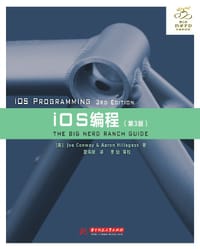
书籍介绍
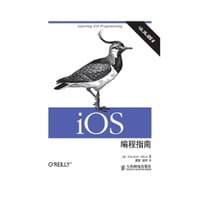
第3版更新了iOS5和Xcode4.3的内容。全书涵盖了开发iOS应用的方方面面。从Objective-C基础知识到新增加的语言特性;从AppKit库到常见的Cocoa设计模式;从Xcode技巧到Instrumen t st等。如果读者刚接触iOS编程,阅 读本书前两章可以快速入门。如果读者已经有iOS编程经验,阅读本书可以拾遗补缺。本书的另一个特色是教读者以正确的方法解决问题。Objective-C的习惯约定有哪些(例如命名约定,内存管理约定),创建子类时如何处理初始化方法,Cocoa的常见设计模式有哪些,如何选择数据保存方法等。这些问题,如果读者自己摸索,难免费时费力。本书已经将这些知识整理、归纳并清楚地呈现在读者面前。
Big Nerd Ranch培训系列中文图书网站:http://www.iosprogrammingbook.com/
作者简介
Joe Conway是Big Nerd Ranch的资深教师,自iOS平台发布以来一直从事相关的咨询服务。Joe毕业于美国威斯康辛大学,在Mac OS X早期即开始编写Objective-C和Cocoa代码。他编写了Big Nerd Ranch的“iOS新手培训课程”教材。该教材 广受好评,是本书的原型。
Aaron Hillegass曾就职于NeXT公司和Apple公司,目前在Big Nerd Ranch教授iOS编程课程。Aaron在NeXT时编写了第一本OpenStep教材(OpenStep是Cocoa的前身)。本书以Big Nerd Ranch的教学课程为基础,涵盖了近20年OpenStep和Cocoa的开发成果。
AI导读
核心看点
- 本书系统讲解iOS应用开发全流程,涵盖Objective-C基础语法、内存管理(ARC)、Cocoa设计模式及Xcode工具使用。内容从创建第一个应用到界面构建、数据保存,强调以正确规范的方式解决问题,如命名约定、初始化处理等,帮助读者建立严谨的工程习惯。
- 书中深入剖析Objective-C核心机制,包括对象内存分配、堆栈原理、强弱引用关系及循环引用破解方法。通过详细解释对象所有权丢失场景和retain cycle危害,帮助读者彻底理解内存管理底层逻辑,避免常见崩溃错误,提升代码稳定性。
- 提供大量实战案例与调试技巧,涵盖委托模式、Core Location定位、MapKit地图集成、自定义视图绘制及Core Graphics绘图。书中不仅教如何实现功能,更强调如何排查错误、使用调试器及Instrument工具,培养读者独立解决复杂技术问题的能力。
读者共识
- 读者普遍认为本书是iOS开发领域的经典入门教材,内容详实、逻辑清晰,对初学者非常友好。尽管版本老旧,但其对Objective-C语法、内存管理和设计模式的讲解依然具有极高价值,被许多读者视为学习iOS底层原理的必读之作。
- 多数读者指出本书存在版本过时的严重问题,书中示例代码和界面操作与现代Xcode及iOS系统不兼容,直接照做会导致大量错误。读者强烈建议不要将其作为当前版本开发的实操指南,而应仅用于学习编程思想和规范,避免浪费时间调试过时API。
- 部分读者反映书中内容冗长啰嗦,且缺乏对Swift等现代语言的支持。虽然其教学理念值得肯定,但鉴于iOS生态的快速迭代,读者更倾向于推荐更新的官方文档或基于Swift的现代教程。本书仅适合对Objective-C历史或底层机制有特定需求的读者。
精彩摘录
- "在便捷方法中,应该使用 self,而不是直接使用类名,这样子类也能使用同一个方法。"
- "All Objective-C objects are stored in a part of memory called the heap. When we send an alloc message to a class, a chunk of memory is allocated from the heap. This chunk includes space for the object’s instance variables. Pointer variables convery ownership of the objects that they point to. 1. Whe"
- "How objects lose owners 1. A variable that points to the object is changed to point to another object. 2. A variable that points to the object is set to nil. 3. A variable that points to the object is itself destroyed. A pointer variable stores the address of an object, that object has an owner and "
- "Build and run the application again. This time, the objects are destroyed properly. Every retain cycle can be broken down into a parent-child relationship. A parent typically keeps a strong reference to its child, so if a child needs a pointer to its parent, that pointer must be a weak reference to "
- "A property is declared in the interface of a class where methods are declared. A property declaration has the following form: @property NSString *itemName; When you declare a property, you are implicitly declaring a setter and a getter for the instance variable of the same name. So the above line of"
- "Delegation is an object-oriented approach to callbacks. A callback is a function that is supplied in advance of an event and is called every time that event occurs. Some objects need to make a callback for more than one event. For instance, the location manager wants to "callback" when it finds a ne"
- "A view is an instance of UIView or one of its subclasses. A view knows how to draw itself on the application’s window, an instance of UIWindow. A view exists within a hierarchy of views. The root of this hierarchy is the application’s window. A view handles events, like touches. Core Graphics CGCont"
- "Instances of UIResponder can become the first responder of the window and will receive nevents when the device is shaken or a key is pressed on the keyboard."
目录
用户评论
很好的入门书
很实用的一本工具书,这本书没有繁重的Objective-c的基本语法,又不像那种单纯构建iOS应用的纯粹应用开发书,他很好地介于了两者之间,读过一遍照着demo写写代码就可以上手去做开发了。但是这本书缺点也很明显,第一608页的书还是稍显啰嗦,另外也是iOS书的通病就是跟不上变化。。
#iOS 修养#
看完前几章就可以动手了
很通俗易懂,就是太厚了,需要静下心来看。
学IOS开发 买这本就可以了
介绍很详细,可惜不做这个了。
适合初学者入门
時隔一年多終於想起來把它補完。我的iOS入門書,夠手把手,在底層細節上也有一定程度說明。書是Xcode 5的時候寫的,現在Xcode 8,Objective-C也轉成Swift了,但不妨礙大多數章節的閱讀。




下载
收藏