

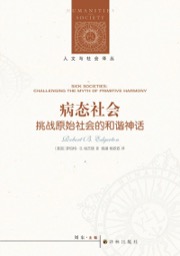
书籍介绍
这本书真正锋利之处,不在于它讲清了联合国教科文组织七十年机构史,而在于它逼我们直视一个难堪的悖论:一个为和平而生的全球组织,如何一步步沦为民族国家博弈的筹码与准殖民主义的舞台?作者不回避那个刺眼的细节——当叙利亚遗产面临毁灭时,各国代表竟还在为一份谴责声明的个别字眼争执不休。读者记住的,往往不是埃及阿布辛拜勒、意大利威尼斯这些光鲜案例,而是理想与现实之间那道难以弥合的裂缝。它适合这样一些人:不满足于
作者简介
林恩•梅斯克尔,美国宾夕法尼亚大学艺术与科学学院人类学教授,宾夕法尼亚大学博物馆中东和亚洲部策展人,康奈尔大学特聘教授;英国牛津大学、利物浦大学,印度希夫•纳达尔大学,南非威特沃特斯兰德大学名誉教授;澳大利亚人文学院院士。主要研究方向为考古学理论、人种志、世界遗产等。
AI导读
核心看点
- 揭秘联合国教科文组织从理想主义到政治博弈的演变史
- 深度剖析世界遗产保护背后的国际政治与利益纠葛
- 探讨遗产保护中技术理性与人文关怀的深刻张力
读者共识
- 对教科文组织进行祛魅,揭示其背后的政治黑幕
- 案例丰富详实,但部分读者认为理论分析略显晦涩
- 深刻反思国际主义理想在民族国家现实中的困境
精彩摘录
- "原本属于全世界的联合国教科文组织,现在成了政府间组织,而它当初追求和平与理解的理想也仅剩下点影子。”来自强权国家的政治家及其构想操控了这一理想,于是政府部门肆意染指世界遗产的各个层面,包括委员会,咨询顾问,技术支持以及遗址进入名单的程序。当然还有体制问题,正如本书概述的那样,我们不能仅仅优先考虑技术层面,也应该重温联合国教科文组织早期许下的承诺:建设一个更加美好的世界。联合国秘书长安东尼奥·古特雷斯指出,要想实现目标,联合国也必须做出改变,要关注落实而不是流程,关注人民而不是官僚。这将给世界遗产领域带来变化,不是把遗址列入名单就行了,而是要允许人们做出自己的选择。然而,对联合国教科文组织来说,"
- "The foundational aspirations of UNESCO rest upon the modernist rhetorics of progress, development, and uplift that many critics consider its fatal flaw. Forged in the twilight of empire and led by the victors of the war and major colonizing powers, UNESCO's founders sought to expand their influence "
- "Dag Hammarskjold, the much revered Secretary-General of the United Nations from1953 to his untimely death in 1961, put it best when he said that such organizations were created not to bring us to heaven but in order to save us from hell."
- "It is not possible to fathom the creation of UNESCO's programs without understanding the history of UNESCO itself, its dystopian beginnings, and its utopian promise."
- "Together they (many critical accounts and analyses of UNESCO) tell the story of an imperfect organization that began with midcentury optimism but rapidly devolved from an assembly of statesmen to a tyranny of states."
- "Entreating the world to conserve its cultural and natural places in the face of escalating industrialization and destruction can surely only be a positive step, yet how nations mobilize that call and at whose expense reveals a more complex dilemma."
- "These are the complicated stories of conservation, the underneath of things, that UNESCO cannot officially recount, since the nation-state is the ultimate arbiter of World Heritage. That tension between international aspiration and national machination on the ground constitutes a central strand that"
- "It is not only issues of nationalism and sovereignty that rankle, but the inability of today's World Heritage regime to incorporate the living aspects of heritage that necessitate rights of inclusion, access, use, and benefits. This view further bolsters the point that the organization cannot contin"
目录
用户评论
https://athenacool.wordpress.com/2021/11/23/%e5%ba%9f%e5%a2%9f%e4%b8%8a%e7%9a%84%e6%9c%aa%e6%9d%a5/
2019年美国考古学会图书奖获奖作品,呼吁大家重新理解世界遗产保护事业,以及遗产保护对于人类历史与未来的意义
从联合国科教文组织的困局可以窥见普世价值与民族国家间的巨大张力——尽管我们无法承认世界上有一种适合所有民族和国家的价值观念,但我们倒也不至于滑跌到亨廷顿的相对主义悖论中。
科教文组织的世界历史遗产保护活动是一群理想主义者的目标,为此许多富有正义感的人付出了心血与努力,但七十年来,结果似乎并未让人满意,问题的关键并不仅仅在于科教文提出了一个不可能履行的承诺,更在于恐怖主义、民族主义、霸权主义的盛行——世界有可能变成巴尔干,为了避免悲剧,我们必须重拾那些曾经伟大的思想:和平、自由、平等、民主……
上个世纪初,威尔逊总统向人们描绘了世界联合的蓝图,但最终却只能目睹二战的爆发和红色政权所激发的冷战局面,威尔逊作为理想主义者也遭到失败——但并非说这些是没有意义的,那些伟大的理念如同路灯,指引我们前行。
今天说要准备防备急救包,地球就怕一个炸弹
绝大多数离不开政治与利益,而要存续又需要希望与理想。
10。看完了多少有些唏嘘。联合国教科文组织面对的问题,实际上就是联合国组织面对的普遍问题。框架、协议、公约,无论达成多少,最终都无法抵消民族国家为主体的国际间行动,更何况经费的来源也是由成员国捐赠。教科文组织成立的初衷是拯救和恢复战后的人类文明,保护人类的“过去”,但在运行的过程中民族国家间的政治冲突、对文化遗产的争夺、民族国家对教科文组织所代表的“国际行动”的排斥,文化遗产所在地居民对于“保护过去”还是“保护现在”的争论,甚至是新生政权/组织通过毁灭文化遗产这种文化符号表达政治意图的行为,都是对创始者的理想主义的极尽讽刺。
看过的一句话用在这里也非常合适:
“地球村这个词原来真的存在过,现在像是它的余烬。”
“不是为了上天堂,而是免于下地狱””内容案例非常丰富,有非常多的启发。特别是中间有提到在叙利亚遗产面临被毁风险时,各国代表还在为谴责声明的个别字眼争得不可开交,莫大的讽刺。但是,这样内容精彩的的文化遗产必读书却被差到离谱的翻译毁得我差点打三星。“预备名录”“缔约国”这样的常用术语通篇译错,中学地理历史都能一眼看出的常识错误俯拾即是。
和最初的想象差不多,最大的贡献是扒黑幕,对联合国教科文组织的世界遗产项目进行祛魅。其他……就不说了。
至于翻译,很奇怪,日常用语翻译的很顺畅,专业用语却问题很多,甚至把States Parties(缔约国)译成了国家政党
在民族国家主导的背景下,想依靠国际组织做点事太难了



下载
收藏