书籍介绍
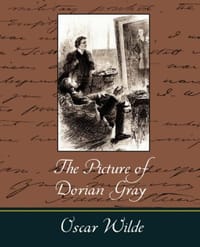
《道林•格雷的画像(Picture of Dorian Gray)》是王尔德的惟一一部小说,也是他美学思想的全面体现,因此已被认为是唯美主义小说中的力作。故事围绕着年轻而又漂亮惊人的道林•格雷展开。俊美的格雷立即激起国家霍华德的艺术想像力并成了画家最喜欢的模特,霍华德为他画的巨幅肖像使格雷意识到自己异常的美。新结识的朋友亨利•华顿勋爵对青春、美丽的赞扬又使他意识到青春易逝,美貌难恒,于是他表示愿用灵魂作交换以保持自己的青春俊美,而让肖像代他承受岁月的痕迹。他的愿望真的奇迹般地实现了,在亨利勋爵的不断影响下,格雷成了新享乐主义的实践者。他爱上了年轻的女演员西北比尔•苇恩,结果他的粗暴导致了西比尔的自杀,对此他不仅不自责,反而把这一悲剧件事件当成浪漫故事。从此追求享乐成了他生活的惟一目标,许多接近他的人也都因为他堕落、放荡的生活方式而变得或声名狼藉或身败名裂。后来他竟然丧心病狂地杀死霍华德并毁尸灭迹。就这样他一直过着双重生活,虽然20年过去了,但他看起来仍然是那个俊美、纯洁的20岁青年,尽管他干尽了腐朽堕落的勾当。最后当他想用刀破坏掉他罪恶的惟一证据——肖像时,刀子却插进了自己的胸膛,而肖像又回复到了它当实初的完美状态。
The Wordsworth Classics covers a huge list of beloved works of literature in English and translations. This growing series is rigorously updated, with scholarly introductions and notes added to new titles.
This is a story of moral corruption. A gothic melodrama, it is full of subtle impression and epigram. It touches on many of Wilde's recurring themes, such as the nature and spirit of art, aestheticism and the dangers inherent in it.
Amazon.com
A lush, cautionary tale of a life of vileness and deception or a loving portrait of the aesthetic impulse run rampant? Why not both? After Basil Hallward paints a beautiful, young man's portrait, his subject's frivolous wish that the picture change and he remain the same comes true. Dorian Gray's picture grows aged and corrupt while he continues to appear fresh and innocent. After he kills a young woman, "as surely as if I had cut her little throat with a knife," Dorian Gray is surprised to find no difference in his vision or surroundings. "The roses are not less lovely for all that. The birds sing just as happily in my garden."
As Hallward tries to make sense of his creation, his epigram-happy friend Lord Henry Wotton encourages Dorian in his sensual quest with any number of Wildean paradoxes, including the delightful "When we are happy we are always good, but when we are good we are not always happy." But despite its many languorous pleasures, The Picture of Dorian Gray is an imperfect work. Compared to the two (voyeuristic) older men, Dorian is a bore, and his search for ever new sensations far less fun than the novel's drawing-room discussions. Even more oddly, the moral message of the novel contradicts many of Wilde's supposed aims, not least "no artist has ethical sympathies. An ethical sympathy in an artist is an unpardonable mannerism of style." Nonetheless, the glamour boy gets his just deserts. And Wilde, defending Dorian Gray, had it both ways: "All excess, as well as all renunciation, brings its own punishment."
From Booklist
Gr. 6-12. For teens who find even steadily paced novels a struggle, the biting but often meandering discussions between Basil and Lord Henry in Wilde's classic can seem overwhelming and pointless. But this version's informative sidebars make the surreal tale of the beautiful young man who never ages one that teens can not only tackle but also begin to relish. When the story advances or twists, Tony Ross' colorful artwork emphasizes Wilde's absurdly witty take on Victorian provincialism. For scenes in which characters discuss aesthetics, sidebar illustrations with helpful captions explain how Wilde's philosophies influenced his characterizations. Even when the sidebars only remotely relate to the story, they provide a clear cultural outline of the mores that resulted in Wilde's public undoing and his untimely death. The supplemental information and illustrations may strike sharp YA readers as amusing or interesting, but they may be the sole reason weaker readers tackle the novel at all.
Roger Leslie
From School Library Journal
Gr 10 Up-"The Whole Story" format provides illustrations and annotations to the classic text. Ross's lively and sophisticated cartoons add interest, and historical information helps readers place the novel in proper context and gives insight into its characters. The problem with this attractive, glossy layout, however, is that the text and the quotes pulled from it are not always on the same page. Further, some illustrations and notations visually cut into the narrative and may distract readers. For example, a drawing appears on the first page along with the passage, "In the centre of the room, clamped to an upright easel, stood the full-length portrait of a young man of extraordinary personal beauty," but that quote does not appear until the second page of the story. Useful as a supplement to the original novel, but not a replacement for it.
Karen Hoth, Marathon Middle/High School, FL
From AudioFile
This remarkable rendering perfectly captures the spirit and characters of the chilling melodrama that scandalized polite society when first published in 1890. Enthralled with his own physical beauty, Dorian Gray wishes his portrait to grow old while he himself stays young, and Wilde makes it so. Just as the portrait mirrors the ravages of Gray's soul, Petherbridge's narration exudes decadence, hedonism and destruction--every syllable foreshadowing the protagonist's dismal end. The