

书籍介绍
这本书最锋利处,在于它把'穷所以懒、忙所以乱'这类日常自责,重新归因为一种系统性的心理机制。它提出'带宽'概念——心智容量会因稀缺而缩水,让你既缺乏洞察力、又削弱执行控制力,于是越是缺钱缺时间,越容易做出不明智的选择,反而把处境推得更糟。读者读后'一身冷汗',正源于此:许多失误并非不够谨慎,而是从心理过程根源处产生的偏见。它也因此引发争议:有人嫌它'一句话来回说一千遍',有人却从中获得解释力与自我宽慰。它适合那些长期在deadline里冲刺、或困于收支紧绷的人——不是教你更努力地克制,而是让你看清:没有余闲本身,就在制造新的错误。
作者简介
Sendhil Mullainathan is Professor of Economics at Harvard University. His real passion is behavioral economics, understanding what makes people tick - whether a senior executive in New York or a farmer in rural Tamil Nadu.
He enjoys having written but is of a mixed mind about writing.
He also occasionally enjoys doing: he helped co-found a non-profit to apply behavioral science (ideas42); and has worked in government.
Much to the surprise of who know him well, he is a recipient of the MacArthur "genius" award.
His hobbies include basketball, googling and fixing-up classic espresso machines. He also enjoys speaking about himself in the third person, which works well for bios but less well in daily life.
Eldar Shafir is an American psychologist, and the author of Scarcity: Why Having Too Little Means So Much[1] (with Sendhil Mullainathan). He is the William Stewart Tod Professor of Psychology and Public Affairs at Princeton University Department of Psychology and the Woodrow Wilson School of Public and International Affairs. He is a Faculty Associate at the Institute for Quantitative Social Science at Harvard University. He is co-founder and Scientific Director at ideas42, a social-science R&D lab. His area of study is behavioral economics, that is, how the decisions people make affect their financial outcomes. His research has led him to the general conclusion that people often make inadvisable decisions on financial matters when they think they are being rational.
AI导读
核心看点
- 稀缺俘获大脑,导致管窥效应,使人忽视长远重要事项
- 稀缺消耗心智带宽,降低认知能力与执行控制力
- 建立余闲缓冲机制,是打破稀缺陷阱、改善决策的关键
读者共识
- 揭示了贫穷与忙碌背后的心理机制,解释力极强
- 指出贫困不仅是资源匮乏,更是心智带宽的缺失
- 虽有重复之嫌,但核心观点极具启发性和洞察力
精彩摘录
- "稀缺会俘获大脑。就像饥饿的研究对象日思夜想着食物一样,当我们经历任何一种形式的稀缺时,都会对稀缺的事物全神贯注。我们的思想会自动而强有力地转向未得到满足的需要;对于饥饿的人来说,他们需要食物;对于忙碌的人来说,他们需要亟待完成某项工作的时间;对于缺钱的人来说,他们需要想办法支付每个月的房租;对于孤独的人来说,他们需要他人的陪伴。稀缺造成的后果不仅仅是因为我们会因拥有的太少而感到不悦,而是因为它会改变我们的思维方式,会强行侵入我们的思想之中。"
- "带宽bandwidth就是心智的容量,包括两种能力,分别为认知能力和执行控制力。稀缺会降低所有这些带宽的容量,致使我们缺乏洞察力和前瞻性,还会减弱我们的执行控制力"
- "稀缺会俘获我们的注意力,并带来一点点好处:我们能够在应对迫切需求时,做得更好。但从长远的角度来看,我们的损失更大:我们会忽视其他需要关注的事项,在生活的其他方面变得不那么有成效。"
- "稀缺会迫使我们专注在迫近的重要事情上;管窥则是消极的:稀缺导致我们有了管窥之见,让我们忽略了其他可能更重要的事情。"
- "那些干扰我们、占据我们思想的事物,不一定来自外界,反而常常是我们自己产生的,而它们往往比真正的火车更能打乱我们的思想。"
- "若想减少失误,仅凭努力是不够的。许多错误之所以会出现,并不是因为我们不够谨慎,而是要从我们心理过程的根源处找原因。努力和专注还不足以令我们避免计划谬误,也无法提醒我们那些根本想不到的事情,更不能给予我们钢铁般抵制诱惑的意志力。偏见是大脑运转的直接结果,而且并不总能对事件的后果做出响应。……在带宽受到负面影响的情况下,我们更有可能向冲动屈服,向诱惑低头。在没有余闲的时候,我们也没有允许失误的空间。稀缺不仅意味着人们没有失误的空间,也意味着人们更有可能会出现失误。稀缺不仅提高了失误的成本,也为人们创造了更多机会去犯下错误、做出不明智的选择。"
- "在稀缺状态下,我们会产生管窥心态。当稀缺成为带宽负担时,我们会对当下更加专注,从而导致我们产生借用行为。而当我们借用时,就是给自己的将来挖下了更深的坑。今天的稀缺,将造成明天更大的稀缺。当我们为了解决眼下的难题而极度专注时,就无法有效地规划未来,这样一来,向前看的能力就很可能会因管窥负担而丧失。"
- "稀缺陷阱就如同“杂耍”,太多的“最后关头”让人们持续从一项紧要任务转移到另一项紧要任务。这是管窥所引发的后果。我们可以在当下尽己所能,但这样的做法会给未来带来新问题。稀缺陷阱源于人们将可预期事件当作突如其来的事件处理。避免落入稀缺陷阱的唯一方法就是要拥有余闲,尤其是要建立起应对突发事件的缓冲机制。改变心态,才是人们逃离稀缺陷阱的唯一希望。"
目录
Intro - definition of "scarcity" and overview of its consequences
Chap. 1 - The good: scarcity can cause focus. The bad: focus can mean inattention to other things.
Chap. 2 - Scarcity causes an internal disruption that makes it harder to make good decisions.
Chap. 3 - Slack (the opposite of scarcity) allows better choices and reduces the bad consequences of failiure.
Chap. 4 - Poor people are sometimes more realistic about estimating costs, because they have to be.
显示全部
用户评论
http://site.douban.com/177678/widget/notes/10060932/note/306686128/
非常棒的一本书,从一开始对美国人啰嗦的不屑。到最后对解释力和应用范围的敬佩,没有单独讲和commitment device的联系是个遗憾 。读到一身冷汗。
关于行为心理学。我们的问题是由于bandwidth是limited的,所以通常 focus on urgent at the expense of important。很简单的道理,改正却不容易。
一句话来回说了一千遍:稀缺性占用你带宽,让你脑子想不清楚,也跳不出来因为稀缺性心态已经深植于潜意识,无论这稀缺是金钱、时间、社交还是卡路里额度。长袖才能善舞,从容(slack)才能不迫(妈的这还要你说
这个故事告诉我们,即使死到临头,也要像自己能活五百年一样思考决策
虽然是畅销书,但是说实话,特别不喜欢为了一个论点凑论据的“作品”,比如:作者写到蜜蜂之所以能够建造精细的蜂巢是因为蜂蜡稀缺,真的不忍再读下去了。我们无法阻止任何作者任何畅销书中出现以偏概全的论点或论据,只能提倡自己提高全面性复杂性思维,不去主观先入为主的带着偏见去读任何书,也不去不加思索的搬走任何书上写的任何内容
The suitcase metaphor非常的直观。一个更小的行李箱改变的不只是我们能带多少东西,更重要的是,它从本质上改变了我们打包的方式。
对于个体,我需要反思:what's in my tunnel? what's my key source of scarcity? 有没有那些不是是可以优化到不占用bandwidth的?
对于整个社会,尤其是不身处scarcity trap的人们,我们也该思考,有哪些机制可以让整个社会体系更加的fault tolerant,给那些不那么幸运的人多些逃出trap的机会?
……我都读吐了 其实scarcity这本书最有意义的还是前面论deadline对procrastination和effective的影响 以及它对bandwidth的负面影响 之后就是无尽的实验 例子 无尽的论述……哥……我仿佛觉得我在看一篇巨长的essay
罗里吧嗦有点勉强还好没买
终于读完了!(事实证明还是要专心看一本书比较快,同时看几本书就像同时干几件事情一样是什么书也看不完的)
嗯,其实还是很不错的。富人和穷人的区别确实还是在于德行,钱只是两者区别的显现之一而已(不光是钱,教育、时间观念等生活的方方面面都无不在显现)。
你可能会关注的书籍
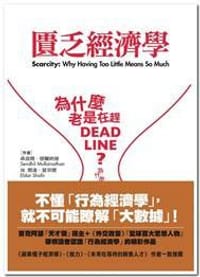 匱乏經濟學
匱乏經濟學 Thoughts and Details on Scarcity, Originally Presented to the Right Hon. William Pitt, in the Month of November, 1795
 Scarcity Brain

下载
收藏