
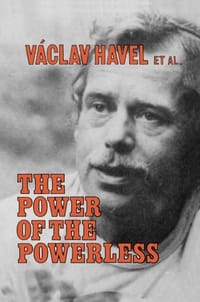
书籍介绍
这本书最颠覆常识之处,在于它彻底改写了“权力”与“被统治者”之间的关系。哈维尔提出:后极权制度并非仅靠暴力维持,而是靠每个普通人自愿在谎言中生存来支撑的。花店老板把“全世界劳动者联合起来”的标语挂在橱窗,并非出于信仰,只是怕惹麻烦——正是这无数微小的、不自知的妥协,构筑了整个体制的根基。由此,反抗不再是少数英雄对政权的正面冲锋,而回归为每个个体“活在真实中”:拒绝点赞、拒绝表演、坚持说真话。这一判断既令人不安又赋予人力量:既然制度仰仗我们的共谋,那么挣脱也只需从自己开始。它尤其适合那些对宏大政治叙事感到疏离、却又不愿自我麻痹的读者——它不提供革命方案,而是逼你重新审视日常生活中每一处沉默的代价。
作者简介
Václav Havel was a Czech playwright, essayist, poet, dissident and politician. He was the tenth and last President of Czechoslovakia (1989–92) and the first President of the Czech Republic (1993–2003). He wrote over twenty plays and numerous non-fiction works, translated internationally. He received the US Presidential Medal of Freedom, the Philadelphia Liberty Medal, the Order of Canada, the freedom medal of the Four Freedoms Award, and the Ambassador of Conscience Award. He was also voted 4th in Prospect Magazine's 2005 global poll of the world's top 100 intellectuals. He was a founding signatory of the Prague Declaration on European Conscience and Communism.
Beginning in the 1960s, his work turned to focus on the politics of Czechoslovakia. After the Prague Spring, he became increasingly active. In 1977, his involvement with the human rights manifesto Charter 77 brought him international fame as the leader of the opposition in Czechoslovakia; it also led to his imprisonment. The 1989 "Velvet Revolution" launched Havel into the presidency. In this role he led Czechoslovakia and later the Czech Republic to multi-party democracy. His thirteen years in office saw radical change in his nation, including its split with Slovakia, which Havel opposed, its accession into NATO and start of the negotiations for membership in the European Union, which was attained in 2004.
AI导读
核心看点
- 哈维尔提出‘后极权主义’概念,指出其非暴力压迫而是通过全社会对谎言的共谋来维持。系统要求个体放弃良知与理性,以仪式性服从换取生存空间,任何真实表达都会被视为对体制的政治威胁,从而揭示极权统治如何通过虚伪意识形态实现全面控制。
- 书中深刻剖析了‘生活在真实中’作为抵抗手段的伦理意义。作者认为,无权者无需掌握权力,只需拒绝参与谎言,坚持个人尊严与诚实,即可瓦解后极权社会的根基。这种日常生活中的道德坚守,比传统政治对抗更具颠覆性,是打破系统性虚伪的唯一途径。
- 文本揭露了意识形态如何作为社会与个人间的桥梁,掩盖真实困境并开脱责任。它指出当权者自身也是谎言的囚徒,必须不断伪造现实以维持统治合法性。读者将理解为何普通公民的顺从并非出于信仰,而是出于恐惧与惰性,以及这种集体沉默如何导致人性的彻底丧失。
读者共识
- 读者普遍认为本书具有极强的现实穿透力,书中描述的虚伪、谎言与道德困境在当代社会依然普遍存在。许多读者表示,哈维尔对‘后极权’本质的揭露令人震撼,意识到自己可能无意中参与了系统的虚伪,从而引发深刻的自我反省与道德觉醒。
- ‘生活在真实中’被广泛视为全书核心且最具启发性的主张。读者认同这种非暴力、基于个人良知的抵抗方式,认为其在任何压抑环境中都具有普世价值。尽管实施难度极大,但读者赞赏哈维尔将政治问题转化为伦理问题的视角,强调个体尊严的重要性。
- 部分读者指出,虽然书中案例基于特定历史背景,但其对人性弱点、体制惰性及意识形态操控的分析具有普遍警示意义。读者共识在于,不应将本书视为单纯的政论,而应作为道德指南,提醒人们在日常生活中拒绝同流合污,坚守真实与责任。
精彩摘录
- "经验一再告诉我们,这个制度的自动性远比个人意志强大。如果一个人有更为独立的意志,则不得不把他的意志掩藏在毫无个性的面具之后,非此不得进入权力的门坎。一旦入了门,这个人若企图实现他的个人意志,必将迟早被有着巨大惰性的自动性作为异体排除出去,或者被迫逐渐放弃他的个人意志,从而重新融汇于自动性中,为之效劳。这样一来,这个人与他的前任后任们就又难以区别了(让我们回忆一下胡萨克和齐穆卡的命运吧)。不断掩藏在幕后和诉诸仪式的必要性,使得权力中那较开明的人士也常常为意识形态所困扰。他们无法直接面对现实的底层,而总是设法混淆黑白,根本上就是利用意识形态的虚假现实。因此,我们可以认为,意识形态作为保障权力的聚合"
- "官僚政府叫作人民政府;工人阶级在工人阶级当家作主的名义之下被奴役;个人地位的彻底丧失说成是人的最终的解放;剥夺人民的新闻渠道被称为保障人民的新闻渠道;用权势驾驭人民说成是人民掌握权力;滥用职权、专横跋扈便是实行法治;压制文化就是发展文化,扩张帝国主义势力,成为被压迫民族的支援;毫无言论自由就是最高的言论自由;选举闹剧是最高的民主;禁止独立思考是最科学的世界观;军事占领变成了兄弟援助。因为当权者作了自己的谎言的俘虏,就不得不把一切都颠倒黑白。它篡改歷史,歪曲现实,虚构未来;它捏造统计数据;它假装不存在一个无孔不入和无法无天的警察机器;它装作尊重人权,从不迫害任何人;它假装什么都不怕;它假装从不弄"
- "由于专制是仪式性的,权力则取消了个性,个性几乎在仪式中消解。个人任凭仪式主宰命运,经常看起来是仪式把个人一举从默默无闻中抬上了权力的宝座。个人在权力金字塔的各个阶层,常常被一群没有面孔的人和木偶、执行仪式和常规的穿制服的阿谀小人们推来推去,这样的情形在后极权社会里难道不是司空见惯的吗?权力结构的自动性取消了人性,个性的消亡变成了一个基本原则。看上去正是这个自动性的专制特征决定了那些毫无个性的人为权力结构服务,正是充满空洞词藻的专制召集了那批善长空洞词令的人,来保证后极权制度自动性的连贯和延续。"
- "我们制度的意识形态则拥有催眠的法术。它为四处游荡的人类提供了家园:一旦接受它,一切就会一目了然,生命又有了新的意义,一切神秘莫测的疑难,一切忧虑和孤独感,都烟消云散了。毫无疑问,要住进这间廉价公寓,代价极高:人们必须放弃个人的理性,良知与责任感。因为这个意识形态的根本特点就是把理性与良知交到更高的权威手里。这儿的原则是:权力的中心,就是真理的中心。"
- "In fact, a 'dissident' is simply a physicist, a sociologist, a worker, a poet, individuals who are merely doing what they feel they must and, consequently, who find themselves in open conflict with the regime. This conflict has not come about through any conscious intention on their part, but simply"
- "在后极权制度统治的社会,所有传统意义上的政治生活都被取消了。人们没有机会公开表达自己的政治观点,更不用说建立政治组织。由此产生的空白,则由意识形态的仪式来填补。在这样的情形下,人们自然丧失了对政治的兴趣,大多数人将那些还可能存在的独立政治观点看成不现实的、牵强附会的、自我陶醉的游戏而已,与他们的日常生活相去太远。人们还会觉得这些独立观点也许值得推崇,但却不着边际,因为一方面纯属空想,一方面又极端危险。"
- "意识形态是一种似是而非的解释世界的方式。它赋予人类以认同、尊严和道德的幻象,而使人们与实质轻易地脱离。作为一种「超个人」的与客观的武器库,意识形态让人们欺骗自己的良知,掩盖他们的真实境况和不光彩的动机,自欺欺人。意识形态很讲求实用,但有时则冠冕堂皇地为上上下下正名与开脱。它既面对芸芸众生也面对在天之神。它是一层面纱,用来掩饰自己的失落的境遇,卑琐和安于现状的心态。它是人人都能用的藉口。水果商用对全世界无产者大联合的热情来掩饰他对失业的恐惧;官僚们用为工人阶级服务的词藻来掩饰对权力的贪慾。意识形态开脱和障眼术的根本功效是向后极权社会内的支柱和受害者们提供假象,让人们相信制度是与人类和宇宙的法则谐"
- "This system serves people only to the extent necessary to ensure that people will serve it."
用户评论
一下午再一晚上,速度的浏览完了...发现自己看不了这种内容的书,不太能快速理解文字所表达的含义...里面对后极权主义社会的揭露,很值得一看,原来我们生活在后极权主义的社会里,一切的所谓制度改革,都只是维护现状,革命得很不彻底...
so far, the best of this year!
看的是台版,不了解文章写就的历史背景加上翻译的问题,好多内容看的比较困难。但无权者的权利这篇是大致看明白了,以前也看过部分内容,最让人印象深刻的是哈维尔对极权主义社会生活的细节的捕捉和描述,呼吁大家活在真实中、活得有尊严、说真话也是个很好的反极权倡议。不过,现在越来越觉得,希望活得自由、活得有尊严、认可多元化更多是一小撮知识分子的偏好,更多的人只想赚钱,只想赚更多的钱,只要能赚钱,其他都不那么重要。高度的实用主义、无道德感、流动可变的价值观,也不知道到底是大多数的中国人如此,还是全世界的绝大多数人都如此。
哈维尔的核心是“活在真实中”,而后极权主义的核心特点是一种虚伪的意识形态、官僚和仪式组成的虚假,要回到真实中,就必须在生活的各方面与之对抗。这和将在这个社会感受到的不自由简单地理解为政治制度上的民主/专制之分,甚至是认为仅仅建立一套西方代议制就能解决社会的大部分问题的观点比,更加深刻而具有预见性。后极权社会的表现是消费主义和工业社会(或后工业社会)的特殊形式,其部分特点也在西方社会显现。要“活在真实中”不仅要有反抗的勇气,也要认识到“从小处着手”的改良尝试最终都会因为揭开社会意识形态的虚伪根基而成为“异见者”,后极权社会的包括法律在内的制度也是其虚伪意识形态的合法外衣,在那些字面上保护权利的条款中遮盖一种虚伪;同时,一种超越东/西和狭义政治制度的“存在性革命”要求在生活各处得真诚。
哈维尔是我的intellectual soulmate之一哈哈
我最讨厌这个国家的地方在于,大多数人要么相信,要么假装自己生活在一个正常的国家中。
独立生活,真实生活,从小而上,从小处着手
Havel is so underrated。在post-totalitarian时代,不再是意识为权利服务,而是权力为意识服务。由虚假的语言和符号构建的虚假意识被强加于每一个普通人身上——人不仅是受害者,也成为了组成、散播、和维系虚假表象的一部分。与海德格尔围绕科技的讨论很像——自从有了科技,我们对事对人的衡量标准便发生了变化;自然被当作资源,人也被当作资源和工具。在我们的时代,在真实中生活、爱具体的人、将自己和他人作为理性思考的人尊重对待,便是对虚假有力的反抗。然而这也是很难做到的, 成为体系的一部分常常伴随着对其逻辑与思想的内化,人从此变成体系里一颗小小的螺丝钉,作为加害者继续维持体系的运作。
Havel's significance lies in his action.
卖菜老板的迷思
Routledge的其他书籍查看全部
 Globalizing the Soybean
 Pragmatics Online
 China during the Tang-Song Interregnum, 878–978
 Places, Affordances, Atmospheres: A Pathic Aesthetics
 Bombs in the Consulting Room
 Marketing Channel Strategy
下载
收藏