
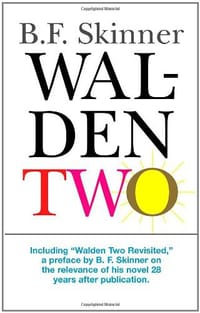
书籍介绍
这是一部读完会让人坐立不安的小说。斯金纳在书中虚构了一座名为
用户评论
Subject to social engineering and become simple--and there you enter the realm of blissful obliviousness.
斯金纳撰写的《沃登第二》描绘了一个以“行为工程学“(behavioral engineering)建构的人类社群,以正强化原理控制人类的行为。他认为,理想社会的管理者不该是政治人物而是宅心仁厚且掌握各种实质与精神奖赏的行为学家。我算是明白为什么西方怕它变成法西斯的簇拥者了。
完全的反面教材
(学生时期读物)Well,It doesn't work
仿佛看了一场长达五天的答辩,但字字珠玑。且不论Frazier的理念本身价值几何,他的陈述方式真的太强悍了,层层推进,特别完备,有股微妙的震慑力,想反驳他的人张嘴之前都会不自觉地三思。Skinner的笔力同样强悍,300多页全是干到裂开的论述,读下来却不怎么枯燥,不知道是因为内容已足够具有刺激性以至于读者根本不会在评断写作技巧这件事上多花心思,还是Skinner的手段过于高超以至于其实全书充满了最能贴合、最能服务于故事的叙事技巧而读者却浑然不知。也许两者都有吧。总之学到了很多,对理解behaviourism之潮很有帮助。
我终于发现这些所谓的乌托邦小说的奇怪点在哪里,他们似乎解决了一个问题就永远不会再出现新的问题,不想我们的现实社会,解决一个问题后会出现无数个新的问题。。。
心理学,社会学,政治
练习英语阅读读完的一本书...才疏学浅基本没看懂


求书
收藏