
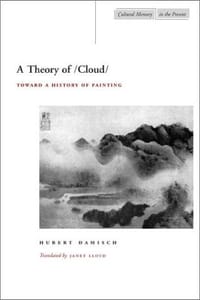
书籍介绍
达米施从一个小到近乎可笑的提问切入:文艺复兴画家掌握了透视法之后,为什么还在画里留下那片画不进去的云?答案却指向一个沉重命题——任何严密的体系,都靠它无法消化的那个
作者简介
Hubert Damisch teaches at the Ecole des Hautes Etudes en Sciences Sociales, Paris. Among his books published in English are Skyline: The Narcissistic City (Stanford, 2001) and A Childhood Memory by Piero della Francesca (Stanford, 2001).
精彩摘录
- "……在布鲁内莱斯基关于透视的著名的实验中,云恰恰成了无法表现的事物,成了立体式透视方法的真正盲点,从而深刻地揭示了任何体系均有它的缺陷,以及不适用性反过来可以确认和理性的辩证思想。"
- "it is attempting to appeal to Wlelfflin's ideas: the dissolution of outlines may have seem to undermine the order of figurative representation in that its corollary was an exacerbation of pictoriality that excluded any overstrict delineation of forms."
用户评论
本书始于一个看似微小的绘画现象,就是文艺复兴时期当画家们已经熟悉了一点透视之后开始如何画云。然而,事情远比想象的要复杂的多了。因为,云彩属于天空,它也属于那个基督教所相信的天堂。那么,一点透视是用来统一城市、街道、建筑的。可以用一点透视去统一土地和云彩上的天堂吗?还有,中世纪的宇宙观,基本上是亚里士多德的封闭宇宙。现在,宇宙是不是开放的呀?围绕着透视,尤其是云彩最初画着了帕尔玛教堂上的天庭上,欧洲人展开了一场关于绘画到底画什么、怎样画的讨论。出人意料的是,本书结尾的第5章,把画论的问题引向了中国。显然,以
这本书说实话其实是关于描述透视发展过程中面对的一个缺陷,无法呈现天空及云彩,于是在绘画中“云”这个主体究竟处于怎样的地位,是作为消解空间深度“depth”、还是能指无限"infinity"的工具;出发点一直是透视,而不是题目表面所说的“云”。语言十分晦涩,与哲学发展密切结合起来讨论透视问题,这本身就需要大量基础阅读才能读进去。第五章其实比较脱离讨论主体,中国绘画对待“云”的态度被单另出来加以描述,相对透视论述来说比较粗浅泛泛。
最後居然是一個馬克思主義的結尾, 只能說totally did not see that coming。本來已經想好了評語: The Cloud Sermon,雲的佈道。討論繪畫的物質性沒有問題,但如果是這樣,用如此長的篇幅剖析文藝復興繪畫中的象徵關係,而幾乎完全忽略繪畫的材料和技法,以及它們的意義是否於結論有點偏離?「芥子園畫論」應該不算繪畫理論,而是技法教學吧。相較之下討論中國山水畫的時候很大的篇幅都在談技法材料而非意義。可能是能獲取的資料有限的緣故。然而這個限制卻符合了Damisch的結論。讀完了我還是很不清楚Damisch的結論和Greenberg看起來如初一轍啊。但是Greenberg的論證方法偏重物質性並強調審美的感覺而非形式的意義。另外引用中國畫論小錯誤很多。
虽说是英译本,但质量不亚于法语原版。达米施不仅亲自校对过这个英译本,保证了术语的准确性,而且高度评价了英译者的文笔,甚至认为译文比自己的原文更加晓畅优美(嗯,原来你也知道自己的文风多么不友好……)。所以,丢掉糟糕的中译本,放心用英译本吧!
How structuralism works in the art domain //能扯到DS+R的blur我还挺惊奇的// 了解了theoretical object和real object, object和thing之间的重要差别// 解释中国绘画和建筑的时候总觉得片面 因为着重研究了技法体现的结构主义哲学思想 而忽略了中国绘画迭代的历史 // 记录Michael的一句话: he’s looking into A theory of painting but not THE theory of painting // Ruo的material historical diagram超级有用!一下子理解了如此分析的哲学价值意义及其局限性 也完全解释了倪在春节的时候对我进行的灵魂拷问
大胆怀疑给五星的人要么不懂符号学-结构主义,要么不懂绘画。感觉他们已经被HD绕进去了。这也是我在lecture这部分的时候一直提醒的:时刻注意解释对象/云/的意义(在符号中转换)、结构(与透视的interaction)与作用(position)。(也可能是本phenomenal position抗拒被洗脑)我提醒了Bernner让我们记住一个现实:艺术家拒绝施特劳斯式的结构主义与符号学的理由,是在于我们需要一个unprejudiced approach to investigating the structure of the mind might well produce vital results for the visual arts.
旧了
很早之前读的 山水那章
Stanford University Press的其他书籍查看全部





求书
收藏