
书籍介绍
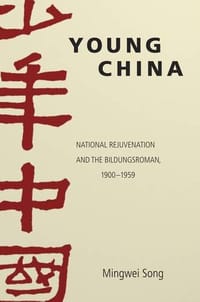
这本书最耐人寻味之处,在于它拒绝把“青年”写成一部从天真走向胜利的成熟史诗。作者敏锐地捕捉到一种“未完成”的青春状态:新青年一代并未真正跨越过去与未来,而是困在历史的交叉路口,既无力肩起黑暗的闸门,也无法抵达光明的未来。书中所说的“老少年”——记得自己曾要成为什么、却从未完成——正是一种停滞而非成长的形象。正是这种“始终没有彻底自我实现”的未完成性,成为全书的核心判断。它让读者重新打量茅盾、巴金笔下那些沉沦于苦楚、在现实面前无从对付的青年,也解释了为何这本书最动人的部分落在20、30年代:那里藏着青春最真实的复杂与心理深度。
作者简介
Mingwei Song is Associate Professor of Chinese Language and Literature at Wellesley College.
精彩摘录
- "赞美 《倪焕之》 并自己也在创作小说的茅盾, 勾勒出一个迥异于新青年的另类青春意象。 真正让茅盾与批判他的那些批评家区别开来的, 是他无法忘怀过去发生的事, 正是后者造就了他对青春的文学描述。 在 《读〈倪焕之〉》 中, 茅盾批评那些一意孤行的 “革命文学” 的倡导者们有着不切实际的乐观理想, 指出一味相信理想与现实会合二为一的天真想法已经不能为历史带来一种理性认识。他认为 《倪焕之》 以及自己的 《蚀》 表达了历史运动的复杂景象和参与者们的心理深度。按照茅盾的观点, 倪焕之以及 《蚀》 中的人物都伫足在历史的交叉路口, 无法跨越过去与未来的界限, 即便他们并非没有对过去的不满, 也不是没有对"
- "新青年没有在变成熟的意义上 “老去”。 成熟意味着一个人经受了苦难的折磨, 完成了自我修养, 预期最终能从过去跨越到未来, 从天真跨越到老成。然而,茅盾用虚构小说刻画的新青年一代变成的 “老少年”, 却从未在完成成长的意义上变得 “成熟”, 历史对他们来说是陌生而暴力的, 真实的世界无从对付, 也不可理解。 从更深的层面上讲, 老少年不算是一种负面形象, 而是新青年停滞不前的形象。青年因其可塑性与变动性, 永远在一个 “形成” (becoming) 的过程中, 对静态和形式化有着永远的挑战。 但老少年并不是 “形成” 过程的终点, 他只记得自己曾经要成为什么, 却从未完成, 虽然那是令人神往的"
目录
List of Illustrations
Acknowledgments
Prologue: The Beginning of the Journey
1. “Green Spring” and Its Modern Forms: An Introduction to Youth Discourse
2. The Adventures of Old Youth: Late Qing Travelers and Reformers
显示全部
用户评论
以点带面把文学主体的小我和国家政治主体的大我(们)的重影从文本中拉出来,晚晴部分显得单薄了,有大量的时政报论没有引入,更多是为了“少年中国”的民族国家之路做铺垫。对巴金、茅盾的分析可圈可点。
将小说中的青年形象与国家的复兴历史背景对照。
青年的象征建构和成长的叙事展开;倚重巴赫金、卢卡奇、莫雷蒂对于成长小说和现代性的批评,但往往在讨论中强调中国成长叙事的inconclusiveness而不是closure
之前很为这本书的问题意识折服。后来系统读钱理群作品时发现钱老1994年有一篇文章叫《青春是可怕的》,反倒讲得更清楚了一些。 这本书对40年代的开掘是不足够的,结尾遽然引入科幻也算是夹带私货。所以客观讲,这本书的贡献还是主要在20/30年代借叶圣陶、茅盾、巴金的小说文本讲出来的故事。
外国人眼中的新中国
Youth是个重要的意象,20世纪以来的文学例子数不胜数,因为繁多且有重叠,分析起来也难免重复,思想上的重复也表现在语言上。但本书最需要加强的地方,可能是对已有研究的介入(intervention),尤其是批评。
epilogue
似乎还是太聚焦于Bildungsroman所强调的“自我实现”,重心落在forever on the road的forever所提示的主体成长的“未完成性”上,把new youth在历史过程中始终没有彻底自我实现的那个“未完成性”作为一种预想的理论结果加以建构,论述最后还是在诸如interiority和externality,lyricism和history,self和society种种二元对立范式内打转。事实上,就书中所着力引述的40年代长篇小说里的人物,其“成长”的道路可能未必那么“永远未完成”,方向感还是相对明晰的,因而把鹿桥和路翎放在一起对读似乎不是太合适。相对照地,王璞在《读书》上写的书评反而把“青春中国”的问题提升了不少。
Harvard University Asia Center的其他书籍查看全部
 Uncertainty in the Empire of Routine
 Worldly Stage
 Power of Place
 Word, Image, and Deed in the Life of Su Shi
求书
收藏