
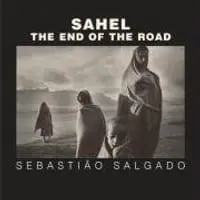
书籍介绍
In 1984 Sebastião Salgado began what would be a fifteen-month project of photographing the drought-stricken Sahel region of Africa in the countries of Chad, Ethiopia, Mali, and Sudan, where approximately one million people died from extreme malnutrition and related causes. Working with the humanitarian organization Doctors Without Borders, Salgado documented the enormous suffering and the great dignity of the refugees. This early work became a template for his future photographic projects about other afflicted people around the world. Since then, Salgado has again and again sought to give visual voice to those millions of human beings who, because of military conflict, poverty, famine, overpopulation, pestilence, environmental degradation, and other forms of catastrophe, teeter on the edge of survival. Beautifully produced, with thoughtful supporting narratives by Orville Schell, Fred Ritchin, and Eduardo Galeano, this first U.S. edition brings some of Salgado's earliest and most important work to an American audience for the first time. Twenty years after the photographs were taken, Sahel: The End of the Road is still painfully relevant. Born in Brazil in 1944, Sebastião Salgado studied economics in São Paulo and Paris and worked in Brazil and England. While traveling as an economist to Africa, he began photographing the people he encountered. Working entirely in a black-and-white format, Salgado highlights the larger meaning of what is happening to his subjects with an imagery that testifies to the fundamental dignity of all humanity while simultaneously protesting its violation by war, poverty, and other injustices. "The planet remains divided," Salgado explains. "The first world in a crisis of excess, the third world in a crisis of need." This disparity between the haves and the have-nots is the subtext of almost all of Salgado's work. Illustrations: 88 duotones
AI导读
编辑书评
- 《Sahel》的价值不在于展示苦难的奇观,而在于确立了一种严肃的视觉伦理。萨尔加多没有美化贫穷,也没有消费死亡,而是以近乎宗教般的虔诚去记录人的尊严。与同类纪实摄影相比,它的独特之处在于将‘人道主义援助’的背景融入‘艺术表达’,使得每一张照片既是证据也是祈祷。然而,其局限也在于此:过度的黑白美学化处理可能在无意中消解了现实的粗粝感,让部分敏感读者感到‘精致的残忍’。尽管如此,这仍是理解当代纪实摄影不可绕过的经典。
- 这本书是一次对良知的拷问,而非一次轻松的审美之旅。它值得所有关心人类命运共同体的读者深读,尤其是在信息碎片化时代,我们需要这种缓慢、沉重且充满力量的图像来抵抗麻木。如果你曾看过《地球之盐》并被触动,那么《Sahel》就是那把打开钥匙的源头。它提醒我们,摄影不仅是光的艺术,更是责任的承担。建议在具备足够心理韧性时阅读,并在合上书本后,留出时间消化那份来自远方的、穿透纸背的痛苦与敬意。
核心看点
- 本书是萨尔加多纪实摄影的奠基之作,记录了1984年萨赫勒地区大饥荒中约一百万人的死亡与苦难。作者通过黑白影像不仅呈现了极端的生理痛苦,更着重捕捉难民在绝境中保留的人性尊严,确立了其后续作品‘为无声者发声’的核心美学与伦理立场。
- 作品超越了单纯的技术展示,构建了一种关于‘凝视’的伦理张力。读者在短评中反复提及‘不敢用美来形容’、‘身体被战栗穿透’,说明这些图像具有强烈的侵入性。它迫使观者直面全球不平等结构下的个体命运,将抽象的人道主义危机转化为具象的、无法回避的视觉冲击。
- 作为《地球之盐》的前传,本书展示了萨尔加多从记录灾难到探索生命起源的创作轨迹起点。通过与无国界医生组织的合作,照片不仅是艺术表达,更是人道主义行动的见证。这种‘在场’的记录方式,揭示了摄影师在目睹巨大悲剧时所需的勇气与心理承受力。
读者共识
- 读者普遍感受到强烈的生理与心理震撼,常用‘催人泪下’、‘无言以对’、‘身体被战栗穿透’等词汇描述观看体验。这种共识表明,本书成功打破了旁观者的安全距离,使读者产生了深刻的共情与负罪感,认为这是一种‘真实的悲怆’。
- 多数读者认可萨尔加多作为‘大师’的地位,但对其作品的‘美感’持矛盾态度。一方面惊叹于构图的精致与光影的力量,另一方面又因内容的残酷而拒绝使用‘美’这一词汇。这种张力构成了读者评价的核心:技术上的卓越与伦理上的沉重并存。
- 读者倾向于将本书视为一种‘关怀’与‘持久关注’的学习范本,而非单纯的技术教材。评论指出,从这里学到的是对人性的尊重和对苦难的正视。同时,部分读者联想到纪录片《地球之盐》,认为这是理解萨尔加多精神世界的关键入口。
用户评论
又一大师力作。温情的震撼;优美的苦难。纪实摄影的范本
持续的灾难需要持续的解决方法 不是无国界医生就可以的 这只是最终的末端
地球之盐
翻看完《Genesis》再看这本画册简直就是从天堂跌入地狱的感觉。几次的在第一眼看到某一页时身体被战栗穿透,同时又很惊恐茫然,他们的痛苦穿透纸背向我袭来,可那图像的承载却又是那样精致轻盈。正如同当中的一张照片,众人散落矗立在沙漠之上,绝对的焦点却是那个盘旋在天空中的直升机。
拍出这样照片的人是要勇气的
【油管番薯】触目惊心
都有一雙讓人無法直視的美麗的眼睛。
真实的悲怆,皮包骨头的男孩给我留下了很深刻的印象
University of California Press的其他书籍查看全部
 Ginseng and Borderland
 Secure the Soul
 We are Amphibians
 Go Nation
 Hanoi's Road to the Vietnam War, 1954-1965
 The Nature of the Beasts