
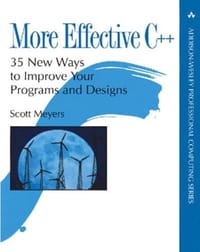
More Effective C++
出版时间
1996-01-08
ISBN
9780201633719
评分
★★★★★
书籍介绍
作为《Effective C++》的续篇,本书最引读者争论之处在于其
AI导读
核心看点
- 35条进阶技巧,提升C++程序效率与健壮性
- 深入剖析指针与引用的本质区别及最佳实践
- 详解虚函数、多重继承等高级特性的性能成本
读者共识
- 经典之作,技术深度优于前作,值得反复研读
- 部分设计话题略显平淡,但高级技巧极具价值
- 虽显过时,但核心思想至今仍是C++编程基石
精彩摘录
- "…… 首先,要认识到在任何情况下都不能使用指向空值的引用。一个引用必须总是指向某些 对象。因此如果你使用一个变量并让它指向一个对象,但是该变量在某些时候也可能不指向任何对象,这时你应该把变量声明为指针,因为这样你可以赋空值给该变量。相反,如果变量肯定指向一个对象,例如你的设计不允许变量为空,这时你就可以把变量声明为引用。 …… 因为引用肯定会指向一个对象,在 C++里,引用应被初始化。 …… 不存在指向空值的引用这个事实意味着使用引用的代码效率比使用指针的要高。因为在使用引用之前不需要测试它的合法性。"
- "…… 指针与引用的另一个重要的不同是指针可以被重新赋值以指向另一个不同的对象。但是引用则总是指向在初始化时被指定的对象,以后不能改变。 …… 总的来说,在以下情况下你应该使用指针,一是你考虑到存在不指向任何对象的可能 (在这种情况下,你能够设置指针为空),二是你需要能够在不同的时刻指向不同的对象(在这种情况下,你能改变指针的指向)。如果总是指向一个对象并且一旦指向一个对象后就不会改变指向,那么你应该使用引用。 还有一种情况,就是当你重载某个操作符时,你应该使用引用。最普通的例子是操作符[]。这个操作符典型的用法是返回一个目标对象,其能被赋值。 …… 当你知道你必须指向一个对象并且不想改变其指向"
- "Note the tell-tale virtual destructor, a sure sign this class is designed for use as a base class (see Item E14). Note also how the destructor is a pure virtual function, a sure sign this class is designed to be used only as a base class. RCObject::~RCObject() {} // virtual destructors must always /"
你可能会关注的书籍
 Effective Modern C++ 简体中文版
 Effective Modern C++
 Effective Modern C++
 Effective STL
 More Effective C++(中文版)
Addison-Wesley Professional的其他书籍查看全部
 Domain-Driven Design Distilled
 Learning to Program
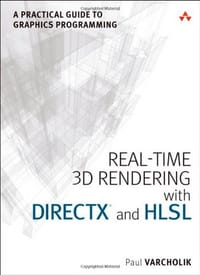 Real-Time 3D Rendering with DirectX and HLSL
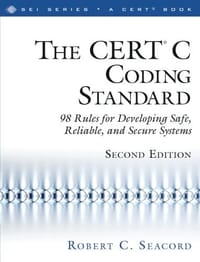 The CERT® C Coding Standard, Second Edition
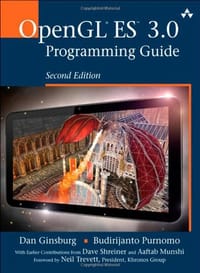 OpenGL ES 3.0 Programming Guide
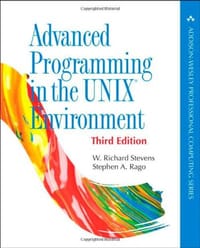 Advanced Programming in the UNIX Environment, 3rd Edition
下载
收藏