
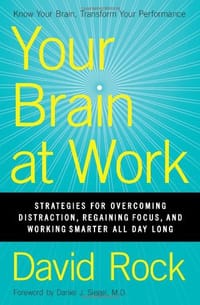
书籍介绍
这不是又一本教你列待办清单、塞满日程表的时间管理书。它把镜头探入大脑内部,让你看见:为什么越是忙碌,前额叶这方有限的'舞台'就越容不下第二个念头;为什么一条猫咪视频、一次未回的消息,都能靠多巴胺悄悄劫走你的注意力。作者用'演员登台''迷你公寓'等比喻,把情绪调节、工作记忆、社交安全这些抽象机制变得可操作——你可以'训练自己的导演',主动切换关注点,而非被威胁与奖赏的本能牵着走。它真正适合的人,是那些试过无数方法却仍被信息风暴裹挟、并愿意对自己的精神状态负责的人。读懂大脑如何运作,或许才能让它从主人变回朋友。
AI导读
核心看点
- 基于神经科学,解析大脑工作记忆机制
- 将前额皮质比作舞台,形象解释注意力分配
- 提供调节情绪与提升专注力的实用策略
读者共识
- 秒杀传统时间管理书,理论扎实且实用
- 帮助理解精力有限性,学会优先处理要事
- 通俗易懂,是了解大脑运作机制的佳作
精彩摘录
- "过度唤醒不仅跟恐惧或焦虑相关,它也可以带来更为积极的感受,比如兴奋或欲望。刚恋爱的人经常会“失去理智”,在热恋中做出各种疯狂的事情。一项研究表明,刚刚坠入爱河的人,其大脑跟吸食了可卡因的人的大脑有很多共同之处。多巴胺有时也称为“欲望的毒药”。太多的多巴胺在令人兴奋不已的同时,也会让人疲惫不堪。任何象征着潜在奖赏的活动都会促进多巴胺分泌,并吸引我们的注意力。这是有些人难以停止赌博的部分原理,也是我们对某些手机App上瘾的原因。任何新奇的信息——出乎意料的新闻故事,或者猫咪做出不可思议行为的短视频——都会引发多巴胺分泌。这在短期内可能让你感觉良好,但随着时间的推移,你可能会沉迷于此,并因此降低智商"
- "当大脑感知到有威胁或是奖赏时,哪怕是在非常微小的层面,都会对你的思考方式和内容产生巨大的影响。对威胁或奖赏的自发反应一般被当作情绪。要在这个纷乱的世界里保持高效,关键在于你能够调节自己的情绪,而不是受控于它。"
- "前额皮质的空间有限,原因之一在于竞争原则。在大脑舞台上保留住一个复杂概念通常需要激活视觉回路。当你思考时,你会在脑海中描绘出这个概念在空间上如何与其他概念相联系(工作记忆要么是视觉空间的形式,要么是听觉的形式,而前者的效率要高得多)。视觉意识(visual awareness)工作时一直处于竞争的状态,各个回路争先恐后地想要在大脑中形成外部事物的最佳内在表征。麻省理工学院麦戈文人脑研究院(McGovern Institute for Brain Research)的专家罗伯特·德西蒙(Robert Desimone)发现,大脑一次只能保留视觉对象的一个表征。这就像大家都玩过的视错觉游戏,在同一"
- "如何最大限度地利用工作记忆?我喜欢把这个问题看作以创新的方式合理利用一间迷你公寓,比如安装一个能够隐藏在墙体里的折叠床、挂很多面镜子、把架子钉得高一些,等等。那些大脑训练游戏所带来的认知能力提升并不来自扩大公寓空间,而是来自提高一些子技能的效率,比如让你进行更有效的简化和组块化来提高信息上下舞台的效率;以及让你更明智地选择把什么放到舞台上,把什么留在舞台下,也就是学会谨慎选择演员。其实,人们一直在凭直觉使用这三种技巧。当你更好地理解了这些技巧,也许你就会更频繁地使用它们,因为支撑这些技巧的回路更大了,也更容易被调用了。"
- "在如今的大多数工作中,想要取得成功必须具备良好的合作能力。对于那些围绕着逻辑系统(比如计算机或者工程技术)建立思维图谱的人来说,人际关系中所蕴含的混乱与不确定性可能会让他们手足无措。但成功的人际关系是有规则可循的,其中的一大原则是,社交对于人们每时每刻的存活来说非常重要。正如马修·利伯曼所说,“当大脑休息时,80% 的后台运行程序涉及思索你自己或者其他人”。"
- "有很多证据表明,人们认为他们一生中最棒和最糟糕的经历与其个人成就没有关系,而是属于他们的社会性经历,比如开始或结束一段重要的关系。"
- "当你把自己的想法、情绪和目标与他人相联系时,会释放催产素,这是一种令人愉悦的化学物质。所产生的化学反应跟婴儿与母亲进行身体接触时感受到的相同。当两个人一起跳舞、一起弹奏音乐或者愉快地聊天时,就会释放催产素。这种神经化学物质意味着安全的连接。"
- "积极心理学研究表明,生活中只有一种体验可以持久地提升幸福感。它既不是超出基本生存需求的金钱,也不是健康、婚姻或生儿育女,而是有质有量的社交联系。 拥有多个积极的社交关系不仅可以提升你的幸福感,还可以让你在工作中表现出色,甚至延年益寿。 广交朋友不仅能帮助你更好地思考,还能赋予你新的视角,即“透过别人的眼光看问题”。朋友们也是调节情绪的辅助工具,因为他们能够帮助你进行非常重要但极其耗费认知资源的重新评估。同理,通过帮助你拓宽思维和反思你自己的思考方式,可信任的伙伴们还能为你带来深刻见解。不过这一切需要你把他人当朋友,而不是敌人。"
用户评论
Consciousness is limited resource.
里面每个场景都是我的日常哇!实用性特别强的一本书。
做的事不够多,是没有必要看这书的。
神作!
SCARF model
6/15
从脑科学的角度分析我们工作和生活会遇到的问题以及解决方法,比纯心理学角度更加逻辑化和科学化,因而很实用,希望能用起来!
I guess this is why meditation is so popular these days. Understand what are you feeling, being able to notice it is important to keep a quiet mind. The SCARF model is quite helpful to understand social interaction, where we sometimes forget essential we all want the same things. Lastly, focus on solution and not problem is an interesting concept.
前三年时间浪费就浪费在情绪上了,大脑每天的精力都是有限的,还没干正事呢,精力就都被情绪消耗没了,正事自然就做不好。还有就是要承认自己现在做的事本身就很难,比如学者永远在debating你永远无法获得一个确切答案,没有实时feedback,不挣钱,经常被拒,大脑时刻都在面临threat,所以痛苦大脑崩溃太正常了,真不是自己不够坚强或者怎样,既然有些问题注定解决不了,那么就要更换对自己的潜台词,我太笨变成没事儿我能解决,没时间了变成问题不大现在开始,被批评了没事这样才能进步。总之就是要整个改变自己内心的话语体系。但是我又很怀疑是不是等乐观主义者成为大多数,乐观这套就不管用了,悲观的少数又开始有某种优势,然后科普书又反过来说要时刻保持警惕才能生存,不能盲目乐观…
浅显易懂,SCARF是个好model
下载
收藏