
Barbara Kingsolver的作品
共 3 本
Barbara Kingsolver is an American novelist, essayist, and poet. She was raised in rural Kentucky and lived briefly in Africa in her early childhood. Kingsolver earned degrees in Biology at DePauw University and the University of Arizona and worked as a freelance writer before she began writing novels. Her most famous works include The Poisonwood Bible, the tale of a missionary family in the Congo, and Animal, Vegetable, Miracle, a non-fiction account of her family's attempts to eat locally. Her work often focuses on topics such as social justice, biodiversity, and the interaction between humans and their communities and environments. Each of her books published since 1993 have been on The New York Times Best Seller list. Kingsolver has received numerous awards, including the UK's Orange Prize for Fiction 2010, for The Lacuna and the National Humanities Medal. She has been nominated for the PEN/Faulkner Award and the Pulitzer Prize. In 2000, Kingsolver established the Bellwether Prize to support "literature of social change." Kingsolver was born in Annapolis, Maryland in 1955 and grew up in Carlisle in rural Kentucky. When Kingsolver was seven years old, her father, a physician, took the family to the former Republic of Congo in what is now the Democratic Republic of the Congo. Her parents worked in a public health capacity, and the family lived without electricity or running water. After graduating from high school, Kingsolver attended DePauw University in Greencastle, Indiana on a music scholarship, studying classical piano. Eventually, however, she changed her major to biology when she realized that "classical pianists compete for six job openings a year, and the rest of [them:] get to play 'Blue Moon' in a hotel lobby." She was involved in activism on her campus, and took part in protests against the Vietnam war. She graduated with a Bachelor of Science in 1977, and moved to France for a year before settling in Tucson, Arizona, where she would live for much of the next two decades. In 1980 she enrolled in graduate school at the University of Arizona, where she earned a Master's degree in ecology and evolutionary biology. Kingsolver began her full-time writing career in the mid 1980s as a science writer for the university, which eventually lead to some freelance feature writing. She began her career in fiction writing after winning a short story contest in a local Phoenix newspaper. In 1985 she married Joseph Hoffmann; their daughter Camille was born in 1987. She moved with her daughter to Tenerife in the Canary Islands for a year during the first Gulf war, mostly due to frustration over America's military involvement. After returning to the US in 1992, she separated from her husband. In 1994, Kingsolver was awarded an Honorary Doctorate of Letters from her alma mater, DePauw University. She was also married to Steven Hopp, that year, and their daughter, Lily, was born in 1996. In 2004, Kingsolver moved with her family to a farm in Washington County, Virginia, where they currently reside. In 2008, she received an Honorary Doctorate of Humane Letters from Duke University, where she delivered a commencement address entitled "How to be Hopeful". In a 2010 interview with The Guardian, Kingsolver says, "I never wanted to be famous, and still don't, [...:] the universe rewarded me with what I dreaded most." She says created her own website just to compete with a plethora of fake ones, "as a defence to protect my family from misinformation. Wikipedia abhors a vacuum. If you don't define yourself, it will get done for you in colourful ways."
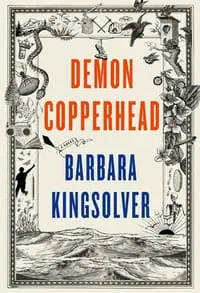
Demon Copperhead
Barbara Kingsolver
epub可获取Harper · 2022
评分 8分 · 104 人
"Kingsolver is a writer who can help us understand and navigate the chaos of these times." --Minneapolis Star Tribune From the New York Times bestselling author of Unsheltered and Flight Behavior, a b
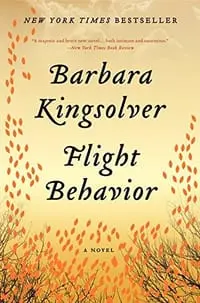
Flight Behavior
Barbara Kingsolver
暂无资源Harper Perennial · 2012
评分 暂无 · 人数未知
Flight Behavior takes on one of the most contentious subjects of our time: climate change. With a deft and versatile empathy Kingsolver dissects the motives that drive denial and belief in a precar
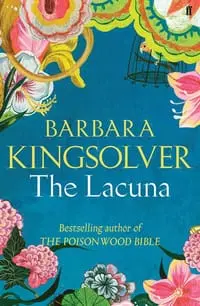
The Lacuna
Barbara Kingsolver
暂无资源Faber and Faber · 2010
评分 暂无 · 人数未知
打敗《狼廳》,榮獲2010英國柑橘文學獎(Orange Prize)得獎作品! 一同入圍今年柑橘獎決選名單的還有 Hilary Mantel 的曼布克獎得獎小說《Wolf Hall》等知名作品,本書能一舉拿下優勝被認為是實屬不易。柑橘獎評審對於本書給予最高評價:「涉及的範圍之廣令人驚歎、辛辣的筆法也震撼人心」、「讀過的最好的小說之一、結構完美,極具吸引力」。
Barbara Kingsolver is an American novelist, essayist, and poet. She was raised in rural Kentucky and lived briefly in Africa in her early childhood. Kingsolver earned degrees in Biology at DePauw University and the University of Arizona and worked as a freelance writer before she began writing novels. Her most famous works include The Poisonwood Bible, the tale of a missionary family in the Congo, and Animal, Vegetable, Miracle, a non-fiction account of her family's attempts to eat locally. Her work often focuses on topics such as social justice, biodiversity, and the interaction between humans and their communities and environments. Each of her books published since 1993 have been on The New York Times Best Seller list. Kingsolver has received numerous awards, including the UK's Orange Prize for Fiction 2010, for The Lacuna and the National Humanities Medal. She has been nominated for the PEN/Faulkner Award and the Pulitzer Prize. In 2000, Kingsolver established the Bellwether Prize to support "literature of social change." Kingsolver was born in Annapolis, Maryland in 1955 and grew up in Carlisle in rural Kentucky. When Kingsolver was seven years old, her father, a physician, took the family to the former Republic of Congo in what is now the Democratic Republic of the Congo. Her parents worked in a public health capacity, and the family lived without electricity or running water. After graduating from high school, Kingsolver attended DePauw University in Greencastle, Indiana on a music scholarship, studying classical piano. Eventually, however, she changed her major to biology when she realized that "classical pianists compete for six job openings a year, and the rest of [them:] get to play 'Blue Moon' in a hotel lobby." She was involved in activism on her campus, and took part in protests against the Vietnam war. She graduated with a Bachelor of Science in 1977, and moved to France for a year before settling in Tucson, Arizona, where she would live for much of the next two decades. In 1980 she enrolled in graduate school at the University of Arizona, where she earned a Master's degree in ecology and evolutionary biology. Kingsolver began her full-time writing career in the mid 1980s as a science writer for the university, which eventually lead to some freelance feature writing. She began her career in fiction writing after winning a short story contest in a local Phoenix newspaper. In 1985 she married Joseph Hoffmann; their daughter Camille was born in 1987. She moved with her daughter to Tenerife in the Canary Islands for a year during the first Gulf war, mostly due to frustration over America's military involvement. After returning to the US in 1992, she separated from her husband. In 1994, Kingsolver was awarded an Honorary Doctorate of Letters from her alma mater, DePauw University. She was also married to Steven Hopp, that year, and their daughter, Lily, was born in 1996. In 2004, Kingsolver moved with her family to a farm in Washington County, Virginia, where they currently reside. In 2008, she received an Honorary Doctorate of Humane Letters from Duke University, where she delivered a commencement address entitled "How to be Hopeful". In a 2010 interview with The Guardian, Kingsolver says, "I never wanted to be famous, and still don't, [...:] the universe rewarded me with what I dreaded most." She says created her own website just to compete with a plethora of fake ones, "as a defence to protect my family from misinformation. Wikipedia abhors a vacuum. If you don't define yourself, it will get done for you in colourful ways."