
内容简介
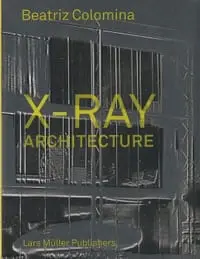
How our medical obsessions and the image of the body influence modern architecture. This book explores the impact of medical discourse and diagnostic technologies on the formation, representation and reception of modern architecture. It challenges the normal understanding of modern architecture by proposing that the architecture of the early 20th century was shaped by the dominant medical obsession of its time: tuberculosis and its primary diagnostic tool, the X-ray. If architectural discourse has from its beginning associated building and body, the body that it describes is the medical body, reconstructed by each new theory of health. Modern architects presented their architecture as a kind of medical instrument for protecting and enhancing the body. X-ray technology and modern architecture were born around the same time and evolved in parallel. While the X-ray exposed the inside of the body to the public eye, the modern building unveiled its interior, inverting the relationship between private and public. Colomina suggests that if we want to talk about the state of the art in buildings, we should look to the dominant obsessions about illness and the latest techniques of imaging the body―and ask what effects they may have on the way we conceive architecture.
Beatriz Colomina is founding director of the program in Media and Modernity at Princeton University and Professor in the School of Architecture. She has written extensively on the interrelationships between architecture, art, media, sexuality and health.
作者简介
AI 导读
- 本书的真正价值在于它提供了一种“去神话化”的现代建筑史观,将柯布西耶等人的作品从纯粹的艺术殿堂拉回充满病菌与恐惧的临床现场。其独特之处在于成功地将医学技术史转化为建筑形式生成的动力机制,比同类文化研究著作更具物质性和图像说服力。然而,其局限也显而易见:为了维持理论的统一性,作者在处理当代案例时显得力不从心,导致全书在逻辑闭环上出现裂痕,更像是一篇精彩的长篇论文而非无懈可击的专著。
- 这是一本值得在周末午后快速通读的“思想零食”,它能瞬间刷新你对白色立方体建筑的认知。虽然它在学术严谨性上有所欠缺,结尾略显仓促,但其提出的“建筑即医疗器械”这一命题足以引发长久的反思。适合在需要打破思维定势、寻找跨学科灵感时阅读,但不适合作为系统学习建筑理论的入门教材。它的魅力在于那种大胆联想带来的智力愉悦,而非面面俱到的真理陈述。
- 本书颠覆了现代建筑源于纯粹美学或功能主义的传统叙事,提出其核心驱动力实为20世纪初的结核病恐慌与X光诊断技术。作者论证早期现代建筑师将建筑视为医疗仪器,通过明亮、通风和白色表面来对抗疾病,从而重新定义了空间与健康的关系。
- 深入剖析X光影像如何重塑建筑的视觉表征与公众认知。书中指出,透视技术不仅改变了医生对身体的看法,也影响了建筑师对空间的呈现方式,使得“透明性”成为现代建筑的核心隐喻,模糊了私密性与公共性的传统界限,引发关于监视与隐私的新思考。
- 结合苏珊·桑塔格的疾病隐喻理论,探讨身体、媒介与建筑之间的复杂互动。作者并未止步于历史回顾,而是延伸至当代语境,分析SANAA等事务所的作品,试图揭示医学话语如何持续渗透并塑造我们对居住环境的感知,尽管这一延伸部分在逻辑连贯性上存在争议。
- 读者普遍认可本书切入角度的新颖性与趣味性,认为将结核病与X光作为解读现代建筑的钥匙极具洞察力。许多评论称赞作者善于建立看似无关事物间的联系,文笔流畅,能在短时间内提供令人耳目一新的历史重构体验。
- 对于书籍后半部分的评价呈现两极分化。部分读者认为结尾关于当代建筑(如SANAA)的论述与前文脱节,导致全书结构松散,甚至有“高开低走”之感;另有读者指出书中虽提及监视概念,但未深入探讨其与隐私的辩证关系,留有遗憾。
- 装帧设计与配图风格受到广泛讨论。多数读者惊叹于其精美的铜版纸质感与复古科普读物般的视觉效果,但也有人觉得部分配图风格怪异、带有强烈的时代疏离感甚至不适感,这种视觉体验本身也成为读者评价的一部分。