
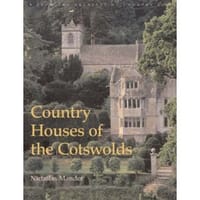
The Cotswolds, the ridge of limestone hills that runs for fifty milers, from Chipping Campden in the north to Bath in the south, are England’s largest designated Area of Outstanding Natural Beauty. The region’s lovely, unspoilt countryside, together with its unrivalled heritage of vernacular architecture, based on its versatile honey-coloured limestone, and the proximity of Bath, Oxford and Stratford-upon-Avon make it England’s most important tourist destination outside London. For over a hundred years, Country Life magazine has published a weekly article devoted to a country house, including scores of examples from the Cotswolds. Superbly illustrated with specially commissioned photographs, they form an unrivalled archive -- a unique repository of architectural history. Drawing on this remarkable resource, Nicholas Mander has selected 200 photographs to illustrate his fascinating survey of the Cotswold house through the ages. Over thirty houses, grouped by period and style, reveal the historical and architectural importance of the Cotswolds. Divided into three main sections, the book looks first at the sublime castles, such as Sudeley Castle with its royal connections spanning a thousand years, and magnificent examples of early manor houses, such as Owlpen Manor, Daneway House and Snowshill Manor, as well as important Jacobean houses, such as Stanway and Chastleton House. The second part focuses on the great Classical country houses and noblemen's palaces of the eighteenth century, like Badminton House and Dyrham Park. Finally, the third part surveys the twentieth century and beyond, documenting the work of leading practitioners of the Arts and Crafts movement, including Ernest Barnsley's Rodmarton Manor and William Morris's Kelmscott -- superb embodiments of the Arts and Crafts ideal. A final chapter covers some of the most recent houses and gardens: the Prince of Wales's new garden at Highgrove House, Rosemary Verey's Barnsley House and new Classical houses by Quinlan Terry, such as Waverton and Bibury Court.