
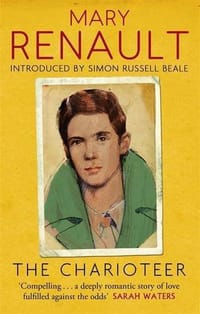
书籍介绍
在敦刻尔克受伤后,青年Laurie退隐乡间疗养院,与年轻诚实拒服兵役者Andrew结下一段克制而纯洁的情谊;而旧日导师Ralph的突然出现,又将他引入一个由世故同性恋者组成的圈子。小说真正耐人寻味的,是Laurie对自我的清醒剖析:他看出这群人并非“接受”自己的局限,而是“把局限当成事业”来经营,沉溺其中、放弃了更广阔的真实。瑞瑙特以冷峻而不偏袒的笔触,审视意志坚强与软弱之人——她既深情书写细腻情感,也对“意志不够坚强”者毫不留情。它不是一部轻松的爱情小说,而是一场关于欲望、自我欺骗与人性完整的艰难思辨,适合愿意反复咀嚼、不惧怕晦涩与阴翳的读者。
作者简介
Mary Renault (1905-1983) was born in London and educated at St Hughs, Oxford. She trained as a nurse at Oxford's Radcliffe Infirmary, where she met her lifelong partner, Julie Mullard. Her first novel, Purposes of Love, was published in 1937. In 1948, after North Face won a MGM prize worth $150,000, she and Mullard emigrated to South Africa. There, Renault was able to write forthrightly about homosexual relationships for the first time - in her masterpiece, The Charioteer (1953), and then in her first historical novel, The Last of the Wine (1956). Renault's vivid novels set in the ancient world brought her worldwide fame. In 2010 Fire From Heaven was shortlisted for the Lost Booker of 1970.
AI导读
核心看点
- 本书是英国文学史上第一部公开出版且未删减的男同性恋题材小说,具有极高的历史与文学地位。作者玛丽·瑞瑙特以二战后英国为背景,大胆挑战了当时严苛的社会道德规范,将反战和平主义者与同性恋者的边缘处境并置,展现了超越时代的勇气与人文关怀,为后世酷儿文学奠定了重要基石。
- 故事聚焦于退伍军人劳里在疗养院期间与和平主义者安德鲁之间纯洁而含蓄的情感萌芽,以及随后与昔日导师拉尔夫之间充满张力与世俗诱惑的关系。小说深刻探讨了理想主义与经验主义、纯真与世故之间的冲突,展现了主角在道德困境与情感纠葛中的痛苦挣扎与最终妥协,心理描写细腻入微。
- 作者运用柏拉图《斐德罗篇》中灵魂战车的隐喻贯穿全书,象征人物内心理性与欲望的激烈博弈。文本不仅是对个人情感经历的记录,更是对战争创伤、身份认同及社会偏见的深刻反思。尽管部分读者认为结局晦涩且主角行为令人不适,但其对人性复杂面的真实刻画与文学价值仍获高度认可。
读者共识
- 读者普遍惊叹于作者玛丽·瑞瑙特超越时代的思想深度与写作勇气,认为其在恐同氛围浓厚的年代敢于直面同性恋议题并批判战争与偏见,具有极高的历史价值。尽管部分情节因版本删减或叙事晦涩引发争议,但其在文学史上的开创性地位及对人性的深刻洞察仍获广泛尊重与认可。
- 多数读者认为主角劳里性格缺陷明显,其自私、虚伪及对安德鲁的背叛令人难以共情甚至反感,但同时也承认这是作者对人性阴暗面的真实刻画。读者对拉尔夫这一角色评价两极,有人欣赏其现实与强大,有人谴责其操纵与伤害。整体而言,读者认为作品对情感张力的描写极具艺术感染力,尽管结局令人压抑。
- 读者共识指出,本书不适合寻求轻松阅读或浪漫爱情故事的受众,其沉重主题、晦涩文风及悲剧结局可能带来阅读障碍。然而,对于能深入理解文本的读者,其心理描写的精准度、哲学隐喻的巧妙运用及对时代创伤的反思被视为极高文学成就。许多读者表示虽感痛苦但仍被其艺术价值震撼,并计划重读以深化理解。
精彩摘录
- "The party had warmed up by this time. A momentary detachment came upon Laurie as he looked on. After some years of muddled thinking on the subject [of his homosexual desire], he suddenly saw quite clearly what it was he had been running away from; why he had refused Sandy's first invitation, and wha"
- "They had come to a bridge over the river. The ground was high here, the river ran between cliffs. Laurie thought how in peacetime, from here, the town would have lain below them like a starry sky. Now, as the bridge gave gently on its chains in the wind that swept along the gorge, there was only a d"
- "In seven years, thought Laurie, every cell in one's body has been replaced, even our memories live in a new brain. That is not the face I saw, and these are not the eyes I saw with. Even our selves are not the same, but only a consequence of the selves we had then. Yet I was there and am here; and t"
- "There was a long silence after he had spoken. Then Ralph said, with the crudity of deep feeling, "You've got someone there." "Yes," Laurie said. Voices came through the shell now; kindness and loyalty tapped remindingly on the walls. He said dully, "But you couldn't have known that.""
- "Ralph said, "So this is your house." "Yes. It's been mine for four hours, now...It looks different." Ralph stood looking in silence, and then said quietly, "It couldn't be different." They went up the path together, not speaking till Ralph said, "You'll keep this place?" "If I can." "You must. It go"
- "...Only pressure of circumstances made him admit even to himself that he thought Laurie strikingly handsome...."
- "...Laurie's Tacitly acknowledged position as a leader of public opinion had been founded not on spectacular escapades, which in real life are often a nuisance, but by a quiet positiveness and a knack of settling other people's quarrels without getting involved in them..."
- "He had got to the door. His footsteps must have been heard by now; there could be no more procrastination. He knocked. "Come in," Said Lanyon briskly. At this point Laurie ceased to feel any awkwardness. Fright had swallowed everything. Concerned only not to show it, he walked in. Lanyon was sitting"
用户评论
历史
看到最后真的非常心疼Ralph。一开始没怎么看仔细,以至于到中间喜欢Laurie和Andrew,然后后知后觉地意识到Ralph几乎完美,对Laurie是真爱,反而觉得Laurie太犹豫不决模棱两可了。
无与伦比地具象化了人的精神世界,笔下人物的情感如同看得见线条的引力场,细腻哀伤。它无意展现时代全景,只是时间洪流中某些特定时刻、特定人群的横断面,确实像快照(snap shot)。Laurie这个角色是挺不讨喜的,感觉跟她的写法有关,也不全是设定问题,相较于几乎弥漫全书的与Ralph之间那种浓墨而非重彩的情感张力,他和Andrew之间的感情反倒显得朦胧而寡淡,也使他最终的选择难免显得缺乏情感逻辑,Ralph则完美得有些失真。全书看下来,最喜欢的人物竟是Alec,看到他最后对Laurie说“用用你的脑子,如果你还有的话”,竟感到莫名的解气,最后就连Bunny都感觉坏得真实,我一定是没有get到玛丽奶奶的深意。
这篇真的很晦涩,看评论有提到这版有删节,不知道是不是因此影响了阅读
发烧在家两天,读完全书。我以后一定会再重新读一遍,或许更多遍。惊叹于Renault对人物的处理,有意思的是,Andrew是Laurie认为“最真实”的人,作者却只从Laurie的主观视角进行描写,反而显得遥远而理想化,并不令人厌烦,但越看越和其他的主要人物有所区别。微妙精准的心理描写和具有英国特色的人物对话也是值得琢磨的地方,看到外网上有美国读者评价说单是拨开层层英式对话的外衣看懂人物想表达什么就花了不少功夫(扶额)
💔..make sense
英国第一部queer小说(《莫瑞斯》作者生前拒绝出版,美国早几年出版了vidal的《城与柱》),也是Renault最后一部现代小说,写作时间是在剑桥左派同性恋者被KGB策反叛国曝光导致恐同进一步严重的50年代初。故事背景是敦刻尔克撤退之后,把以爱国名义歧视贵格会和平反战者和以道德名义歧视同性恋并置,很勇敢了。小说里面到处可见Renault超越时代的思想闪光,甚至讨论到了男权社会必然导致同妻、性向政治化等等,70年后再看也未过时。在“limbo”的草地上读《斐德若篇》那段太美好,和《莫瑞斯》里对柏拉图的粗暴理解比起来Renault才是真的精神希腊人啊
…需要找时间重读一遍
求书
收藏