
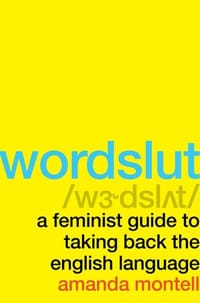
书籍介绍
这本书最锋利的地方,在于它把'女性说话方式有问题'这个天经地义的成见,原封不动地还给了制造成见的那个人。它告诉你:vocal fry、尾调上扬、满口'like',男女都有,唯独女性开口就被批评——问题不在声音,而在说话的人是谁。辱女词如slut、bitch原本中性,是文化的贬低给它们挂了号;女性反而因被禁言而逼出创新,从女书到借词,语言成了向上攀爬的资本。它不劝女性'别像女人那样说话',而是反问:凭什么'像男人'才值得尊重?读它,你会开始对一句'.Some up the balls'感到不适,并学会用词源反将一军。适合所有被'你说话太情绪化'评价困扰、并愿意相信语言是平权新战场的人。
AI导读
核心看点
- 追溯辱女词汇的词源演变与语义贬损
- 揭示语言使用中的隐性性别权力结构
- 探讨女性语言习惯被污名化的社会成因
读者共识
- 语言是性别权力斗争的重要前沿阵地
- 词义演变折射出深层的社会不平等结构
- 通过重构语言可助力女性夺回话语权
精彩摘录
- "一个小男孩和他的父亲遭遇车祸,父亲在车祸中丧生,小男孩被迅速送到医院并准备紧急手术。外科医生走进手术室,一看就说:“我不能给他做手术——那是我儿子。”这是怎么回事?这种情况让很多人疑惑不解,觉得男孩的父亲不是已经死了吗,怎么还能去给他儿子做手术?只有少数几个人得出结论,说那位外科医生实际上是小男孩的母亲。啊,多么罕见的、奇异的“女”外科医生。"
- "Language can be an empowering resource for women who wish to move up in the world; it has been for generations. A striking example: In 1978 award-winning linguist Susan Gal traveled to Austria to study a small, poor Hungarian-speaking village that had ended up on Austrian soil due to how the borders"
- "People have looked down upon the way women use language for centuries, and like Otto Jespersen and Bob Garfield, they often write off women’s communication styles as stupid and annoying. But observers of gender and foreign language have noticed that when there truly is a significant difference betwe"
- "One of our culture’s least helpful pieces of advice is that women need to change the way they speak to sound less “like women” (or that queer people need to sound straighter, or that people of color need to sound whiter). The way any of these folks talk isn’t inherently more or less worthy of respec"
- "倾向于过度道歉; 形容词“含义空洞不明”,比如“This chocolate mousse is heavenly”(这巧克力慕斯棒极了); 过分礼貌,比如“不知道你是否介意我……”; 过分强调,比如“那个演出我爱死了!”; 表达请求不直接,比如会说“我感觉包裹还在楼下哎”,而不是直接说“你能去拿一下包裹吗?”; 语法过度矫正(hypercorrection),比如说“between you and I”,而不是“between you and me”(你我之间); 使用模糊限制语,比如“kind of”(有点)、“you know”; 使用句尾附加问句,比如“那部电影很好看,不是吗?”; 回"
- "So why is it that young women get the harshest dose of criticism for vocal fry, uptalk, like, and other hedges? According to linguists, the way that these speech qualities are perceived has way less to do with the thing being said and way more to do with who’s saying it. In other words, judgments ab"
- "(1)“伊”作为不分性别的第三人称代词历史悠久。尽管上古汉语中并没有真正的第三人称代词,但是“伊”与“彼”“其”“之”“他”都能充当第三人称代词。另外,“伊”从魏晋时期开始作为第三人称代词使用,例如“勿学汝兄,汝兄自不如伊”(《世说新语·品藻》),“羊邓是世婚,江家我顾伊,庾家伊顾我”(《世说新语·方正》),“吾见张时,伊已六十”(《南史》),“薛蟠因伊倔强,将酒照脸泼去”(《红楼梦》)。 (2)“伊”在现代吴语、闽南语、闽东语、莆仙语中仍然大量使用。现代白话文初兴时,“伊”曾被作为第三人称女性代词使用,但今已罕见。 (3)与汉语中其他无性别第三人称代词(如渠、佢、彼、斯人、此人、怹)相比,译"
- "Lakoff’s inventory of lady language included: a tendency to over-apologize, “empty” adjectives (“This chocolate mousse is heavenly”), ultrapolite language (“Would you mind if . . .”), strong emphasis (“I LOVE that show”), indirect requests (“I think the package is still downstairs,” instead of, “Can"
目录
Chapter 0: Meet Sociolinguistics: What All the Cool Feminists Are Talking About
Chapter 1: Slutty Skank Hoes and Nasty Dykes: A Comprehensive List of Gendered Insults I Hate (But Also Kind of Love?)
Chapter 2: Wait . . . What Does the Word Woman Mean Anyway?: Plus Other Questions of Sex, Gender, and the Language Behind Them
Chapter 3: “Mm-hmm, Girl, You’re Right”: How Women Talk to Each Other When Dudes Aren’t Around
Chapter 4: Women Didn’t Ruin the English Language—They, Like, Invented It
显示全部
用户评论
中文版快啦
意犹未尽,写得太棒了!对女权和语言学感兴趣的一定不要错过这本书!
听完感觉自己走路腰板儿都能挺得更直了!
非常有趣!从性别的角度分析了语言中的厌女倾向,从日常用词、音调口音,到词汇的阴阳性、常见的粗口脏话,材料足够well-researched又浅显生动。强烈推荐有声书,果然swearing要用听才够劲啊——是的作者鼓励说粗口,而且认为说粗口的人更聪明、更有创意(which也为我自己爆粗找到了借口)。但不管说不说粗口,选择不去用一些词,重新定义一些词语,拒绝被消音,都是我们在日常生活中可以践行的:language is the next frontier of modern gender equality!
At least Linguists know you
Thoughts become words become thoughts become us. Grow a vagina in lieu of of balls because these things can take a pounding.
4.5星。
本书涵盖的内容广泛,从男女对话风格的差异,作为女性在公共场合发言时的挣扎,脏话和侮辱的界限,到历史上生殖器英语单词的演变,俚语和流行亚文化等等。作者关注全球差异,记录了20 世纪 70 年代到 90 年代语言学者和女性主义作家所取得的进展和不足,探讨了年轻女性的语言模式如何影响语言未来的发展方向,并研究了一些经常受到批评的女性语言现象,如vocal fry和uptalk怎样为特定的社会目的服务的,并对那些自诩为“赋权”、看似合理的现象进行了反思和质疑。
字里行间流露出的是作者对语言文字的热爱和对日常生活中语言的性别社会学审视,以个案、文献、统计数据和专家访谈为依据,揭示了语言作为思维的器官,是怎样成为社会和政治的工具的。文风贴近生活、极具亲和力、不偏不倚,读完大开眼界又引人深省。
Easy, fun, educational read. Would recommend to anyone. “Insult a woman, call her a prostitute. Insult a man, call him a woman.”
HarperCollins的其他书籍查看全部
 Supergifted
 Unfiltered: No Shame, No Regrets, Just Me.
 Behind Her Eyes
 Leaf by Niggle
 Requiem
 Pinkalicious
下载
收藏