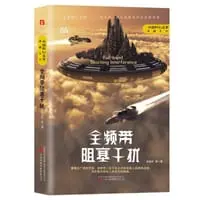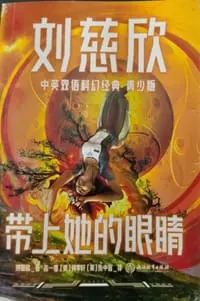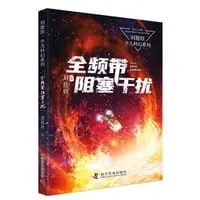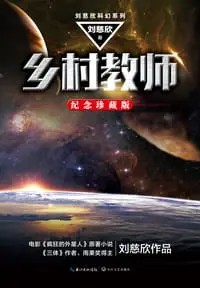
内容简介
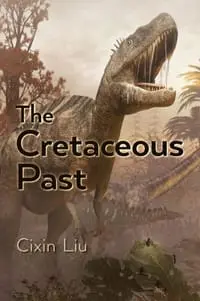
All the years of human civilization represent an infinitesimal fraction of the time since life first burgeoned on planet Earth. How likely is it, then, in those great depths of time, that humanity alone benefitted from the spark of intelligence which gave rise to culture? This is the question posed by China's preeminent science fiction writer for more than twenty years and Hugo-Award-winner for The Three-Body Problem Cixin Liu in his magisterial new short novel, The Cretaceous Past. The answer he offers is unexpected, supposing an unlikely alliance between the largest creatures in the world of the deep past and some of the smallest. And it all begins with a toothache. When a Tyrannosaurus rex suffers pain from meat trapped between its enormous teeth, a nearby colony of ants risks entering the great creature's maw to make their own repast from the remains of the dinosaur's most recent meal. From this humble beginning, over the course of millennia, a symbiotic civilization achieves amazing advances, reaching dizzying heights in countless endeavors scientific and social, facing dangers and exploiting opportunities at every turn. In this absorbing tale, Cixin Liu manages to describe the history of successive epochs of a might-have-been world, doing for the past what Olaf Stapledon's classic Last and First Men did for the future. Here, Liu embarks on a new journey, sure to please the legions of devoted readers of the Remembrance of Earth's Past trilogy. The Cretaceous Past offers Liu at his finest, demonstrating flights of imagination and depths of speculation sure to reward new fans and old alike.
Liu Cixin, born in June 1963, is a representative of the new generation of Chinese science fiction authors and recognized as a leading voice in Chinese science fiction. He was awarded the China Galaxy Science Fiction Award for eight consecutive years, from 1999 to 2006 and again in 2010. His representative work The Three-body Problem is the BEST STORY of 2015 Hugo Awards, the 3...