
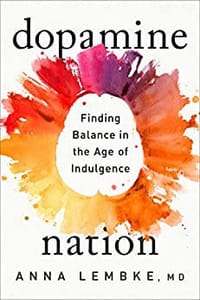
书籍介绍
这不是一本教人'戒手机'的自律手册,而是一套理解'为什么越追求快乐越痛苦'的脑内天平模型。作者的核心洞见相当反直觉:快乐与痛苦共享同一套神经回路,对高多巴胺刺激的持续索取,最终会把大脑推向麻木与不适——你刷得越多,越难从寻常事物中感到快乐。书中'戒断可重置奖赏回路''用适度的痛苦给天平配重''用'激进诚实'重建亲密'等观点,被不少读者称为全书最实用的部分,也是它区别于泛泛而谈的'自我管理'书的关键。但正因如此,它也引发争议:有人嫌其理论'太简单',批评作者回避了社会阶层、贫富差异等真实成瘾根源,字里行间透着'特权气息'。它适合那些'明明没碰毒品,却觉得自己什么都上瘾'的普通人;若你期待严谨的学术论证或深刻的社会剖析,或许会失望。
作者简介
Anna Lembke is the medical director of Stanford Addiction Medicine, program director for the Stanford Addiction Medicine Fellowship, and chief of the Stanford Addiction Medicine Dual Diagnosis Clinic. She is the recipient of numerous awards for outstanding research in mental illness, for excellence in teaching, and for clinical innovation in treatment. A clinician scholar, she has published more than a hundred peer-reviewed papers, book chapters, and commentaries in prestigious outlets such as The New England Journal of Medicine and JAMA. She sits on the board of several state and national addiction-focused organizations, has testified before various committees in the United States House of Representatives and Senate, keeps an active speaking calendar, and maintains a thriving clinical practice.
AI导读
核心看点
- 揭示多巴胺过量导致现代人成瘾的神经机制
- 阐释快乐与痛苦在大脑奖赏回路中的动态平衡
- 提供通过自我约束和戒断来重置大脑的方法
读者共识
- 观点具有启发性,有助于理解成瘾背后的生理基础
- 部分读者认为内容略显啰嗦,案例多于深刻洞见
- 强调直面痛苦而非逃避,对重塑生活平衡有指导意义
精彩摘录
- "追求快乐已成为现代人的座右铭,它将“美好生活”的其他定义排除在外。甚至对他人的善举也被视为获得个人快乐的策略。利他主义不再仅仅是一种善行,它已经成为我们获取个人“幸福”的手段。"
- "平衡之道 1.对快乐的不懈追求(以及对痛苦的逃避)会导致痛苦。 2.康复始于戒断。 3.戒断成瘾物质能够重置大脑的奖赏回路,并使我们从简单的奖励中获得快乐。 4.自我约束在欲望和消费之间创造了字面意义上的空间与元认知的空间,在今天这个多巴胺过量的世界里,自我约束是一种必要的手段。 5.药物可以恢复内稳态,但要考虑到在用药物消除痛苦的同时,我们失去了什么。 6.在天平的痛苦端增加重量,为了恢复平衡,天平会重新向快乐的一侧倾斜。 7.提防疼痛成瘾。 8.激进诚实可以增强意识,巩固亲密关系,培养丰富的思维。 9.亲社会羞耻感证实了我们归属于人类团体。 10.不要逃避这个世界,我们可以沉浸其中,从而找"
- "Naturally I've seen patients who need less than four weeks to reset their reward pathway, and others who need far longer. Those who have been using more potent drugs in larger quantities for longer duration will typically need more time. Younger people recalibrate faster than older people, their bra"
- "Sometimes, patients ask if they can swap one drug for another: cannabis for nicotine, video games for pornography. This is seldom an effective long-term strategy. Any reward that is potent enough to overcome the gremlins and tip the balance toward pleasure can itself be addictive, thereby resulting "
- "Mindfulness is simply the ability to observe what our brain is doing while it's doing it, without judgment."
- "The trick is to stop running away from painful emotions, and instead allow ourselves to tolerate them. When we're able to do this, our experience takes on a new and unexpectedly rich texture. The pain is stil there, but somehow transformed, seeming to encompass a vast landscape of communal suffering"
- "Self-binding is the term to describe the way we intentionally and willingly create barriers between ourselves and our drug of choice in order to mitigate compulsive overconsumption. The key to creating effective self-binding is first to acknowledge the loss of voluntariness we experience when under "
- "One form of self-binding is to create literal physical barriers and/or geographical distance between ourselves and our drug of choice."
用户评论
为什么作者的书还不如她跟Huberman的podcast信息量大且密。听那个episode即可,可惜了我的十几美刀。// 很多时候,我们的“瘾”也是一种基于经验的self-belief和自我限制。Sometimes, all you need is a leap of faith and believing in yourself.
作者对她病人故事的描述太繁琐了...
Yes, my family(or XYZ) is always the most anxiety-provoking. Admitting, de-shaming, and be the problem solver. We do suffer.
Pleasure-pain balance这部分非常引人深思
还蛮引人入胜的,pain &pleasure很有意思
跟researcher的科普比略arbitrary,pain to treat pain的论据(可能是我对中医针灸的态度)跟前面神经学的展开完全不能比。最出彩的地方是观点对人自我管理的启发特别棒,我第一次真正接受rehabilitation的tenable:强行短期克制行为能打断dopamine的峰值,再通过mindful训练容忍弹性,无论是戒毒还是戒赌,都符合行为科学跟神经科学的逻辑,因此addiction一定要寻求专业帮助,而非简单的靠意志力。要继续培养散步、骑车、发呆看风景这些low dopamine的pleasure,科普三星,当self-help看五星。
作者对于大麻和psychedelic drugs只呈现片面的证据和陈述,甚至对抗抑郁药都有些偏见。此外,行文间透露了一股judgmental和privileged的气息。书里的有些知识点是还不错,但我不喜欢这个作者。(没准哪天就在学校里遇见了...)
冗长干货少。从一个介绍这本书的视频转来看的,读过之后发现真的只看那十分钟的视频就够了。
从B站一个视频的引用文献跑来读的 从行为心理和neuroscience的角度探讨了成瘾行为的成因和纠正办法 浅显易懂 容易实践 但是有些观点过于片面肤浅了 个人感觉有点理想化
感觉并不是很technical 例子太多和science关系不大 读了3/4后弃

下载
收藏