
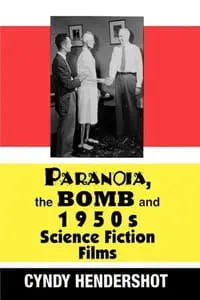
Paranoia the Bomb and 1950s Science Fiction Films
出版时间
2005-01-01
ISBN
9780879727994
评分
内容简介
Paranoia, the Bomb, and 1950s Science Fiction Films argues that sf films of that era open a window on the cultural paranoia that characterized 1950s America, a phenomenon largely triggered by the discovery and use of nuclear weapons during World War II. This study uses psychoanalytic theory to articulate a precise definition of paranoia. The various monsters that people 1950s sf -- giant insects, prehistoric creatures, mutants, uncanny doubles, to name a few -- serve as metaphorical embodiments of a varied and complex cultural paranoia. Postwar paranoia may have stemmed from the atomic bomb, but it came to correlate with a much wider range of public issues and events such as anti-communism, internal totalitarianism, scientific progress, domestic problems, gender roles, and sexuality. In the troubled Atomic Age, sf films offered audiences perfectly structured universes that provided comfort and relief while simultaneously reminding them of their darkest fears.Hendershot provides both theoretical discussion of paranoia and close readings of sf films in odrder to construct her argument, elucidating the various metaphors used by these films to convey a paranoiac view of a society forever altered by the atomic bomb. 1950s sf films provide an interesting means of understanding how nuclear weapons and nuclear war were metaphorically constructed by postwar culture. Within their paranoiac worlds, these films reveal that the only way the Atomic Age makes sense is through a skewed perception of the world. Only within paranoiac logic can radiation contamination, nuclear war, and other postwar ills make sense.