The Chinese Written Character as a Medium for Poetry
出版时间
2008-03-15
ISBN
9780823228683
评分
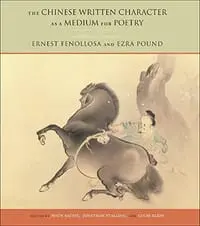
First published in 1919 by Ezra Pound, Ernest Fenollosa's essay on the Chinese written language has become one of the most often quoted statements in the history of American poetics. As edited by Pound, it presents a powerful conception of language that continues to shape our poetic and stylistic preferences: the idea that poems consist primarily of images; the idea that the sentence form with active verb mirrors relations of natural force. But previous editions of the essay represent Pound's understanding - it is fair to say, his appropriation - of the text. Fenollosa's manuscripts, in the Beinecke Library of Yale University, allow us to see this essay in a different light, as a document of early, sustained cultural interchange between North Americaand East Asia. Pound's editing of the essay obscured two important features, here restored to view: Fenollosa's encounter with Tendai Buddhism and Buddhist ontology, and his concern with the dimension of sound in Chinese poetry. This book is the definitive critical edition of Fenollosa's important work. After a substantial Introduction, the text as edited by Pound is presented, together with his notes and plates. At the heart of the edition is the first full publication of the essay as Fenollosa wrote it, accompanied by the many diagrams, characters, and notes Fenollosa (and Pound) scrawled on the verso pages. Pound's deletions, insertions, and alterations to Fenollosa's sometimes ornate prose are meticulously captured, enabling readers to follow the quasi-dialogue between Fenollosa and his posthumous editor. Earlier drafts and related talks reveal the development of Fenollosa's ideas about culture, poetry, and translation. Copious multilingual annotation is an important feature of the edition. This masterfully edited book will be an essential resource for scholars and poets and a starting point for a renewed discussion of the multiple sources of American modernist poetry.
- 本书的真正价值在于它是一面棱镜,折射出20世纪初西方现代主义如何通过‘误读’东方来重构自身。费诺洛萨对汉字‘动态图像’特性的阐述,虽在语言学上经不起推敲,却在诗学上极具颠覆性,成功挑战了西方逻辑语言的霸权。它与同类汉学著作不同,不提供考据,只提供灵感。争议点在于庞德的编辑是否构成了对原意的背叛,但我认为这是一种必要的‘文化炼金术’。值得读,尤其是当你试图理解意象派诗歌为何突然变得如此视觉化和动作化时,本书提供了不可替代的思想源流。
- 作为导读,我必须警告读者:切勿将此书当作汉字教科书。它的局限在于强烈的主观投射和选择性失明,例如忽略汉语诗歌中的声律与典故,片面放大字形拆解。然而,其独特之处在于开创了一种‘跨文化诗学’范式,证明了异质语言可以成为本土文学革新的催化剂。相比严谨的学术专著,它更像一部思想实验录。适合在研究庞德、奥尔森或后殖民翻译理论时精读,但在日常汉语学习中应避免引用其具体字义解释,以免陷入伪科学的泥潭。
- 本书核心在于揭示汉字作为“动态图像”的诗学潜能,费诺洛萨主张汉字并非静止符号,而是自然力与动作的直接记录。他通过拆解字形(如‘芳’字),论证中国诗歌以意象和动词为核心,反对西方逻辑语言对诗性的束缚,提出一种基于视觉直观与生命力的语言哲学,认为这种特性使汉语诗歌能更直接地呈现宇宙的自然秩序。
- 书中展现了庞德对原稿的‘创造性误读’与编辑重构过程。福特汉姆大学出版社的新版通过对比手稿,揭示了庞德如何删减费诺洛萨关于佛教天台宗等宗教背景的内容,将其转化为服务于美国现代主义诗歌运动的工具。这一视角不仅展示了文本的生成史,更凸显了跨文化传播中‘借他人酒杯浇自己块垒’的文化挪用现象及其对英语诗歌形式的深远影响。
- 本书提供了重新审视语言本体论的独特路径,特别是关于‘激进动词原初论’的探讨。费诺洛萨强调句子结构应模仿自然力量的运作,而非抽象逻辑推演。这一观点在德里达与查尔斯·奥尔森的不同解读中被进一步理论化:前者关注其不可还原的图形性,后者强调行动性。这使得本书超越了单纯的汉学讨论,成为连接东方书写传统与西方后结构主义及客体主义诗学的关键节点。
- 读者普遍承认本书存在严重的‘东方主义’色彩和事实性错误,如对汉字结构的过度引申和对日语语法的简化。许多评论指出,庞德式的‘解谜’阅读虽具启发性,但往往偏离了中国诗歌的真实语境。共识在于,这本书的价值不在于提供准确的汉学知识,而在于展示了一种极具生产力的‘误读’,这种误读反而激发了美国现代诗歌的革命性变革。
- 学界与资深读者高度认可本书在比较诗学领域的经典地位,特别是其关于‘动词中心论’和‘图像思维’的论述。尽管批评其学术严谨性不足,但多数意见认为费诺洛萨捕捉到了汉语区别于印欧语系的某种本质特征——即语言与自然力的同构关系。这种洞察被广泛引用,成为理解20世纪英语诗歌转向的重要钥匙,即便其推导过程充满臆想。
- 读者对庞德在编辑过程中的主导作用感到既惊叹又复杂。一方面,大家批评庞德抹去原稿中的宗教与哲学深度,将其简化为形式工具;另一方面,也承认正是这种‘粗暴’的提炼使得思想得以传播。共识倾向于认为,这是一部‘活生生的’文本,记录了早期中美文化交流中的张力与变形,其魅力恰恰来自于这种不完美和被操纵的痕迹,而非纯粹的真理性。