
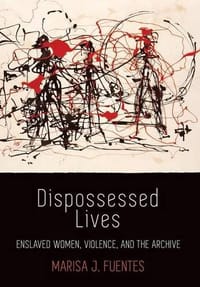
In the eighteenth century, Bridgetown, Barbados, was heavily populated by both enslaved and free women. Marisa J. Fuentes creates a portrait of urban Caribbean slavery in this colonial town from the perspective of these women whose stories appear only briefly in historical records. Fuentes takes us through the streets of Bridgetown with an enslaved runaway; inside a brothel run by a freed woman of color; in the midst of a white urban household in sexual chaos; to the gallows where enslaved people were executed; and within violent scenes of enslaved women's punishments. In the process, Fuentes interrogates the archive and its historical production to expose the ongoing effects of white colonial power that constrain what can be known about these women.
Combining fragmentary sources with interdisciplinary methodologies that include black feminist theory and critical studies of history and slavery, Dispossessed Lives demonstrates how the construction of the archive marked enslaved women's bodies, in life and in death. By vividly recounting enslaved life through the experiences of individual women and illuminating their conditions of confinement through the legal, sexual, and representational power wielded by slave owners, colonial authorities, and the archive, Fuentes challenges the way we write histories of vulnerable and often invisible subjects.
Marisa J. Fuentes is Associate Professor of Women's and Gender Studies and History at Rutgers University-New Brunswick.
显示全部
 Daughters of Parvati
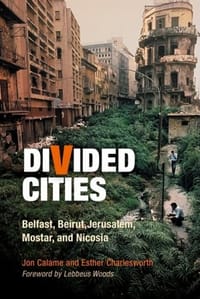 Divided Cities
 Manchuria Under Japanese Dominion
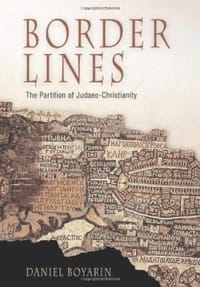 Border Lines
 Astrofuturism
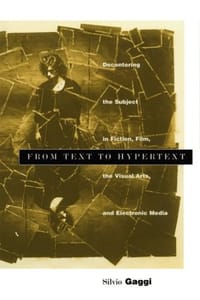 From Text to Hypertext