
书籍介绍
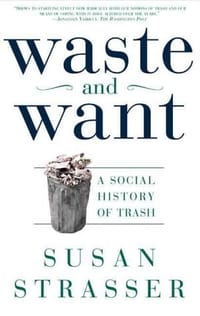
Susan Strasser's pathbreaking histories of housework and the rise of the mass market have become classics in the literature of consumer culture. Here she turns to an essential but neglected part of that culture--the trash it produces--and finds in it an unexpected wealth if meaning.
Before the twentieth century, streets and bodies stank, but trash was nearly nonexistent. With goods and money scarce, everything possible was reused. Strasser paints a vivid picture of an America where scavenger pigs roamed the streets, "swill children" collected kitchen garbage, and itinerant peddlers traded manufactured goods for rags and bones.
用户评论
trash and trashmaking became integral to the economy in a wholly new way: the growth of markets for new products came to depend in part on the continuous disposal of old things.
收藏