
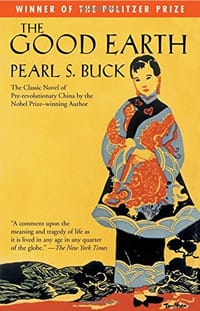
书籍介绍
这不是一部让人读起来痛快的书,而是一场漫长而克制的消耗。赛珍珠用近乎白描的笔法,把中国农民王龙一生的生老病死、耕耘收藏、旱涝匪蝗摊开在你面前,不煽情、不猎奇,甚至刻意剥离了西方对中国惯有的「东方情调」想象。真正击中读者的,是那种「度过了一生」的疲惫与失落:王龙发迹后对妻子阿兰的轻慢与羞耻感,老年时忘了要紧事却仍止不住流泪的细节,以及面对三个儿子时的无言,都写得格外真切。它常被拿来和《活着》对照,也正因如此,它更像一面镜子,照见的是放之四海都能共鸣的人性——贪婪、软弱、愧疚与和解。适合愿意慢下来、不介意「故事很一般」却在乎情绪余味的人;追求强烈情节与爽感的读者或许会失望。
AI导读
核心看点
- 赛珍珠获普利策奖代表作
- 白描手法刻画中国农民史诗
- 土地与人性交织的命运沉浮
读者共识
- 语言质朴但蕴含深厚情感
- 真实呈现旧中国农民生存状态
- 虽非完美但具极高文学价值
精彩摘录
- "every man has his troubles and I must make shift to live with mine as I can"
- "Spring came in long, warm days scented with blossoming plum and cherry, and the willow trees sprouted their leaves fully and unfolded them"
- "Wang Lung looked east and west. He would have liked to speak out to say in a surly voice of master, "Well, and it is my house and whoever I say may come in, she shall come in, and who are you to ask?" But he could not because of some shame in him when O-lan was there before him, and his shame made h"
- "the young beans lifted their hooded heads from the soil"
- "SPRING SEETHED in the village of huts. Out to the hills and the grave lands those who had begged now could go to dig the small green weeds, dandelions and shepherd's purse that thrust up feeble new leaves, and it was not necessary as it had been to snatch at vegetables here and there. A swarm of rag"
- "It was only one day when he was on the street of the silk markets looking for a passenger that he learned better than he had known, and that there were those who were more foreign than he in this city. He happened on this day to pass by the door of a shop from whence ladies sometimes came after purc"
- "Then she said in a half-whisper, "It is the first time I have had silver money in my hand.""
用户评论
"I can only write what I know, and I know nothing but China, having always lived there"
Ed所赠。
385页,不到十天,一开始频繁查字典,后来读的越来越顺了,一边读,脑子里一边演,随着剧情的发展,同情,惊讶,佩服,失望,到愤怒,之后释然,感动,平静。故事总体来说很一般,但是正如作者所说, "I can only write what I know, and I know nothing but China, having always lived there," 作者观察的那个时代的农民的本质,还是很犀利的。和同题材的作品没有可比性。虽然并不是很恢弘,但是很有人情味,主人公,The Wang 虽然愚昧但是有一颗soft heart.所以整体基调并没有很丧。风水轮流转,十年河东十年河西。He became another lord.不过还好他没有活在那个“打倒地主,农民翻身把歌唱”的年代。
读了1931年赛珍珠写的The Good Earth,那时的旧社会农民生老病死生计皆依赖于土地,与现在香港的原居民依赖于丁权,大部分中国中产依赖于房产证,心态差不多。对于是谁给的土地和权力,文字没有深究,毕竟主角王龙死后不久,我们可以想象土地又会被收回,他那当官的、经商的、参军的儿子们又会有截然不同的人生。说不定颠沛流离后,儿子们又回到面朝黄土背朝天的生活,却耕作着所收颗粒不属于自己的土地,等待孙子辈翻身。浮想联翩之中,我认为王龙的结局算是不错了。
王龍聽了他的小兒子說生而不自由,要當兵搞革Ming,非常驚愕又很苦悶,因為他完全不能理解那些話,苦思冥想,最後覺得一定是有什麼還沒有滿足這孩子。看了想起我的父母,在心裡眼淚一直流。又及,作為一個外國人,身在其中,能寫其中之事至此,賽珍珠的厲害,今天才見識到了。
太好读了,太有趣了,这生命的赞歌!
呵呵无评
久闻赛珍珠大名,总算拿起来一读了。真真手把手告诉你什么是白描。语言平静、质朴,一丝不苟地描写男主人公一家50来年的变迁。虽然一点不drama语言也简单好读,但读着不会感觉腻或者乏味,就感觉挺神奇的。从小人物的一生反映当时中国的一些社会现象和变动。很有画面感了。如果说《活着》描写主人公的一生变迁像行云流水一气呵成,《大地》给我的感觉更一步一个脚印,放大每一个时段的变化。就是有一个小疑惑🤔,故事跨越50来年,除了剪辫子跟小儿子想去革命之外,似乎不像《活着》那样给人有时代变迁感……
写这样不容易了
小说难称伟大,到了后半段像是记流水账,但是故事仍然惊心,毕竟这是一个人的一生。中国是个农业文明国家,但是真的这么真切描写普通农民生活和心态的作家却少之又少。故事里的物最让我倾心,比如连枷,比如用竹席围成的一层一层用来装稻谷和小麦的粮仓,还有大竹筛子。我不能不想到这也是我小时经历过的世界。如今这些物件已经进入历史,但是它以及它所存在的那个世界,那个世界里的人和思考方式,还存在我的记忆中,也许它还在我的身体里。
求书
收藏