

书籍介绍
这不是一本带你逐行啃内核源码的书,而是一把帮你快速看清内核'长什么样、怎么运作'的钥匙。它面向想理解 Linux 内核运行机制、进而写出更好内核代码的读者,用清晰聚焦的笔法串起进程调度、系统调用、中断、同步、内存管理、虚拟文件系统与 I/O 等核心子系统。读者普遍反馈:它更像一本'内核 API 的导览',点到即止、条理分明,能迅速激起你深入内核的欲望;但也正因如此,它常被定位为'入门'与'过渡'之作——有人读后仍需转向更专深的著作补齐细节。因此它最适合这样你:已具备操作系统基础、想快速建立内核全景认知并找到继续深入的方向,而非指望单本书吃透每一处实现。
作者简介
Robert Love is an open source programmer, speaker, and author who has been using and contributing to Linux for more than 15 years. He is currently senior software engineer at Google, where he was a member of the team that developed the Android mobile platform’s kernel. Prior to Google, he was Chief Architect, Linux Desktop, at Novell. Before Novell, he was a kernel engineer at MontaVista Software and Ximian.
Love’s kernel projects include the preemptive kernel, the process scheduler, the kernel events layer, inotify,VM enhancements, and several device drivers.
He has given numerous talks on and has written multiple articles about the Linux kernel and is a contributing editor for Linux Journal. His other books include Linux System Programming and Linux in a Nutshell.
AI导读
核心看点
- 本书由Linux内核核心开发者Robert Love撰写,旨在帮助程序员理解内核机制并编写内核代码。内容涵盖进程管理、调度、系统调用、中断处理、同步机制、内存管理及文件系统接口等核心子系统,强调设计思想与API使用,而非底层实现细节。
- 作者以宏观视角俯瞰Linux内核架构,避免陷入繁琐的代码实现陷阱。书中详细讲解内核子系统的设计原理与算法逻辑,帮助读者建立对操作系统整体架构的正确认知,适合希望从应用层转向内核开发或驱动开发的开发者阅读。
- 本书不提供深入的内核源码级剖析,而是作为内核API的参考指南。读者可通过本书快速掌握如何合法、安全地调用内核函数进行开发。对于希望了解Linux 2.6内核特性、抢占式调度改进及模块加载机制的读者,提供了清晰且实用的指导。
读者共识
- 读者普遍认为本书是Linux内核学习的最佳入门读物之一,作者文笔清晰、逻辑严谨,能在短时间内帮助读者建立对内核架构的整体认知。尽管内容较浅,但其宏观视角和实用性受到广泛认可,适合初学者快速上手,避免陷入源码细节泥潭。
- 多数读者指出本书并非深入的内核实现指南,而是内核开发者的API参考手册。对于希望深入理解内核底层机制的读者,本书内容不足,需转向更专业的著作。但作为过渡性读物,其价值不可替代,能有效降低学习门槛,提升学习效率。
- 部分读者批评本书内容过于简略,缺乏深度,且基于较旧的2.6内核版本,部分技术已过时。然而,主流观点认为,内核核心设计思想并未发生根本性变化,本书仍具参考价值。建议读者将其作为学习路径的起点,而非终点,后续需结合最新资料深入学习。
精彩摘录
- "内核可以停用中止--------"
- "An interprocess communication (IPC) mechanism is built into the system, and the various servers communicate and invoke "services" from each other by sending messages over the IPC mechanism. 互换“服务”"
- "主板本号"
- "Minor version is 6 (this is a stable kernel)"
- "kernel Core subsystems, such as the scheduler 像调度程序那样的核心子系统"
- "当一个程序调执行了系统调用(参见第5章)"
- "current宏"
- "It then checks that the new child will not exceed the resource limits on the number of processes for the current user."
目录
1 Introduction to the Linux Kernel
2 Getting Started with the Kernel
3 Process Management
4 Process Scheduling
5 System Calls
显示全部
用户评论
2011某kernel大会上,陈老师送了本
简介,甚至类似于内核的API手册。让人容易有code内核的欲望
后来做storage的研究,想了解io scheduler,然后回头读的时候,才发现作者写的真的很精辟,刚刚点到即止,不至于那么繁杂。
没必要在这本书上浪费时间,Understanding the Linux Kernel或者Professional Linux Kernel Architecture比这本书好太多。关键是读了这本书还是要去读那两本书(挑一本),但是那两本书读完,这本书你完全没必要看。
虽然设备管理部分讲得比较少,但对操作系统原理部分的把握通俗易懂
几本Linux内核书里最短的,语言清楚易读,虽然原理讲得不深,仍不失为kernel入门佳作
<3
作者全篇都在强调:别看我叨叨,看源码,看源码,看源码...
- 小块头书,适合看完OSTEP或者其他同类的介绍OS的书后再看,建立起Linux的基本认识
- 作者写作风格明显好于隔壁的《Professional Linux Kernel》,后者看起来相当相当的吃力
总体ok,3.5
400页讲完一个os,虽然粗糙,但是清晰,容易上手。。。
你可能会关注的书籍
 Linux 系统编程(第二版)
 Linux System Programming
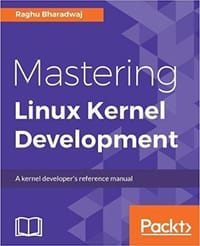 Mastering Linux Kernel Development: A kernel developer's reference manual
Addison-Wesley Professional的其他书籍查看全部
 Domain-Driven Design Distilled
 Learning to Program
 Real-Time 3D Rendering with DirectX and HLSL
 The CERT® C Coding Standard, Second Edition
 OpenGL ES 3.0 Programming Guide
 Advanced Programming in the UNIX Environment, 3rd Edition
下载
收藏