
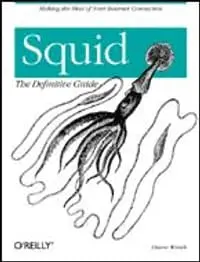
Squid: The Definitive Guide
出版时间
2004-01-01
ISBN
9780596001629
评分
★★★★★
书籍介绍
Squid is the most popular Web caching software in use today, and it works on a variety of platforms including Linux, FreeBSD, and Windows. Squid improves network performance by reducing the amount of bandwidth used when surfing the Web. It makes web pages load faster and can even reduce the load on your web server. By caching and reusing popular web content, Squid allows you to get by with smaller network connections. It also protects the host on your internal network by acting as a firewall and proxying your internal web traffic. You can use Squid to collect statistics about the traffic on your network, prevent users from visiting inappropriate web sites at work or school, ensure that only authorized users can surf the Internet, and enhance your privacy by filtering sensitive information from web requests. Companies, schools, libraries, and organizations that use web-caching proxies can look forward to a multitude of benefits. Written by Duane Wessels, the creator of Squid, Squid: The Definitive Guide will help you configure and tune Squid for your particular situation. Newcomers to Squid will learn how to download, compile, and install code. Seasoned users of Squid will be interested in the later chapters, which tackle advanced topics such as high-performance storage options, rewriting requests, HTTP server acceleration, monitoring, debugging, and troubleshooting Squid. Topics covered include:
Compiling and installing Squid
Running Squid
Using Squid's sophisticated access controls
Tuning disk storage for optimal performance
Configuring your operating system for HTTP interception
Forwarding Requests to other web caches
Using redirectors to rewrite user requests
Monitoring Squid with the cache manager and SNMP
Using Squid to accelerate and protect HTTP servers
Managing bandwidth consumption with Delay Pools
AI导读
编辑书评
- 本书的价值不在于提供最新的代码片段,而在于构建了代理缓存技术的完整认知框架。作为O'Reilly经典系列的一员,它在解释Squid内部工作机制、缓存算法及访问控制逻辑上做到了极致清晰。尽管技术栈已演进至Nginx或Envoy时代,但书中关于HTTP状态码处理、连接复用及带宽优化的底层思维,依然是理解现代Web基础设施的基石。对于希望透过现象看本质、理解“为什么代理能加速”的进阶读者,这是一本被低估的原理性著作。
- 然而,必须警惕其严重的版本滞后问题。对于仅需快速部署新环境的运维人员,直接照搬书中配置极易引发故障。它的最佳使用场景并非作为入门教程,而是作为疑难杂症的深度排查手册或历史技术考古资料。在当下,更推荐将其作为辅助读物,配合官方Wiki和社区最新讨论使用。若你身处一个仍需维护老旧Squid集群的环境,或者想彻底搞懂ACL匹配顺序这一痛点,这本书依然值得放在手边随时翻阅,否则请谨慎投入整块时间通读。
核心看点
- 本书作为Squid代理缓存服务器的权威指南,核心在于系统性地讲解如何通过缓存机制优化网络性能。它不仅涵盖基础配置,更深入剖析ACL访问控制、日志分析及防火墙功能,旨在帮助管理员在Linux、FreeBSD等多平台环境下,通过减少带宽消耗和提升加载速度来构建高效的内网出口体系。
- 作者Duane Wessels侧重于实战运维视角,书中详细阐述了如何利用Squid进行流量统计、内容过滤及隐私保护。其价值在于将复杂的HTTP协议交互转化为可操作的配置策略,特别是针对企业级场景下的用户权限管理和非法网站拦截提供了标准化的解决方案,是早期互联网基础设施管理的重要参考。
- 尽管技术迭代迅速,本书仍保留了Squid架构设计的底层逻辑。它解释了代理服务器如何作为中间层平衡客户端与源站负载,以及缓存命中率的计算原理。对于理解现代Web缓存机制(如CDN边缘节点)的前身概念具有奠基意义,尤其在处理高并发请求和静态资源分发方面提供了经典范式。
读者共识
- 读者普遍认可其“权威指南”的地位,认为在缺乏其他优质中文资料的情况下,它是了解Squid配置的必读之作。许多用户表示该书内容详实,涵盖了从安装到高级优化的全流程,是解决特定技术难题时的可靠参考书。
- 关于版本时效性的争议较为集中。多位读者指出书中内容对应的是较旧的Squid版本,随着软件更新,部分配置已不再适用。这导致读者在阅读时需花费额外精力去甄别哪些原理依然有效,哪些细节已被淘汰。
- 实用主义评价占据主流。读者多是在实际维护服务器或撰写毕业论文时查阅此书,强调其在解决具体问题(如ACL规则、日志分析)上的工具属性。虽然有人感叹“差不多忘完了”,但承认其在当时技术环境下的不可或缺性。
用户评论
差不多忘完了
新版squid更新了一些,书也应该顺带更新了
@实验没做
看的epub格式,有点老是squid 2.5版本的, 主要想了解 acl规则
维护一台squid机器,然后断断续续看了不少http://home.arcor.de/pangj/squid/index.html 分析日志技能也开始点起来了
读的是中文翻译版的 属于搞这玩意必读的 主要是确实也没别的了。。。
O'Reilly Media的其他书籍查看全部
 Developing Apps with GPT-4 and ChatGPT
 Building Knowledge Graphs
 Essential Math for AI
 Running Lean (3/e)
 Quarkus Cookbook
 Learning React 2nd ed.