
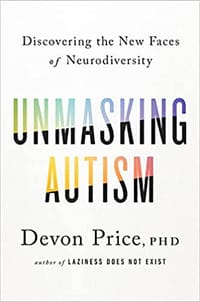
书籍介绍
这本书最戳中读者的,不是它如何解释自闭症,而是它揭示了一个残酷的悖论:许多自闭症人士靠智力、努力与精心设计的伪装'通过'为神经典型者,却在无害的专业外壳下经历自残、饮食失调、酗酒与深切的空虚。作者把目光投向那些被忽视的群体——女性、跨性别者、有色人种、在贫困中长大的人,他们的痛苦常被误读为'操纵欲强'或'攻击性强',因而错过诊断。这让许多读者第一次感到'被看见'。它也因此充满争议:不少人读完获得共鸣与释然,却抱怨实操练习太少、故事过于冗长。它更像一份为 autistic 成人写的身份证词,而非一本工具手册——适合那些需要被理解、而非被'修复'的人。
作者简介
Devon Price, PhD, is a social psychologist, professor, author, and proud Autistic person. His research has appeared in journals such as the Journal of Experimental Social Psychology, Personality and Social Psychology Bulletin, and the Journal of Positive Psychology. Devon’s writing has appeared in outlets such as the Financial Times, HuffPost, Slate, Jacobin, Business Insider, LitHub, and on PBS and NPR. He lives in Chicago, where he serves as an assistant professor at Loyola University Chicago’s School of Continuing and Professional Studies.
AI导读
核心看点
- 揭示自闭症者伪装行为背后的心理代价
- 探讨神经多样性与主流社会的冲突与适应
- 提供停止伪装、接纳真实自我的实用工具
读者共识
- 极具共鸣,帮助读者拼凑自我认知的碎片
- 去罪化伪装行为,缓解长期压抑带来的痛苦
- 部分观点偏激,实用性评价两极分化明显
精彩摘录
- "当涉及特殊兴趣时,自闭症患者的大脑就是“百分百海绵,他们吸收事实和数字的速度对神经正常者来说似乎有点不人道。他们几乎可以对任何事情产生特殊的兴趣…… 尽管《精神疾病诊断与统计手册》指出,自闭症界定的兴趣范围十分“有限”,但一些自闭症患者每隔几个月就会往返于新的特殊兴趣,成为各种学科的通才。还有一些自闭症患者一生都坚定地致力于一个兴趣主题。他们无法控制自己的特殊兴趣是什么,也无法控制这些兴趣在他们生活中出现或消失的时间…… 自闭症患者发现,花时间学习特殊兴趣是恢复活力和刺激的一种方式。在针对自闭症成人生活的研究中,特殊兴趣的培养与主观幸福感呈正相关。当我们开始欣赏我们的过度迷恋时,我们会感到更快"
- "What the researchers found was that parents did not accurately perceive the level of their kids suffering. Instead,parents based their ratings of Autism"severity"on how much their kids behavior bothered them and required a lot of their time and attention.Many children described by parents as"high fu"
- "这些隐秘的自闭症患者大多依靠自己的智力或其他才能获得认可。还有人变得非常被动,因为如果他们淡化自已的个性,就不必冒险变得过于“激进”。在他们无害的、专业的虚饰之下,他们的生活正在分崩离析。他们中的许多人饱受自残、饮食失调和酗酒之苦。他们被困在虐待或不尽如人意的关系中,不知如何才能体会被人关注和欣赏的感觉。几乎所有的人都很沮丧,被一种深深的空虚感困扰。他们的整个生活都源于他们对自己的不信任、对身体的仇恨和对欲望的恐惧。 我注意到,自闭症患者屈服于这种命运的模式十分明确。女性自闭症患者、跨性别者和有色人种在年轻时的特征常常被忽视,或者他们的痛苦症状被解读为“操纵欲强”或“攻击性强”。那些在贫困中长"
- "蒙面自闭症患者基本上无处不在,但他们在社会上是不被人注意的,这是天性使然。你可以在任何领域找到他们,人们可能不会把他们与刻板的自闭症行为联系在一起,包括销售、服务行业和艺术。因为许多蒙面自闭症患者会通过抑制和退缩掩饰自己的行为,他们可能不会表现出社交尴尬,至少不会让所有人都能看出来。尽管许多蒙面自闭症患者都经历过感觉统合失调、焦虑、崩溃和衰弱的精神健康症状,但他们尽可能地将这些痛苦推入私人领域。他们精心设计的应对机制和伪装,会制造出他们不需要帮助的错觉。这往往是以放弃他们可能需要帮助的生活领域为代价的。他们可能会避开人际关系,退出繁重的学术项目,避免在需要网络和社交的领域工作,或者完全脱离那些"
- "我迫切需要一个榜样,让我在自己的皮囊里感到舒适,而当我别无选择的时候,林克就住进了我的心里。"
- "自闭症看起来也很像焦虑症。毕竟,大多数自闭症患者在别人身边的每一刻都很焦虑。过度刺激、不可预测的环境往往会激活自闭症患者的战逃反应。他们为应对压力而养成的例行公事和重复行为看起来很像强迫症。“自闭症倦怠”表现得非常像重度抑郁症发作。通常情况下,治疗师会意识到,这些负面心理健康后果是掩饰行为带来的,而不是由未经治疗的心理残疾造成的。"
- "虽然BPD被称为“人格”障碍,但被描述为“依恋和情绪处理障碍”或许更准确。BPD患者非常害怕被拒绝。他们有一种不稳定的自我意识,高度依赖于他人的接纳度。他们经常被亲人和治疗师描述为具有似乎不适当或高控制欲的极端情绪。如果这些听起来与表2-1中的“女性自闭症”特征惊人地相似,那么这不是巧合。许多因为患有自闭症而反复被拒绝和受到创伤的女性(以及其他的性少数人群)会产生一种不安全的自我意识,一种害怕被拒绝的恐惧心理(合理的),以及巨大的“过度敏感”情绪,而这些都反映了她们几乎不断感受到的痛苦。"
- "从短期看,精神上的超然非常奏效。它释放了大量的精力和注意力,所以我们可以专注于自己擅长的活动,或者只考虑那些吸引我们兴趣的想法。但从长远看,向内心深处退缩会让我们更加远离自己的需求。一些研究表明,自闭症患者的能动性会减弱;换句话说,与非自闭症患者相比,我们对自己和身体的控制力更弱。一辈子因无能和幼稚而被人纠正会影响我们的自我概念,使我们很难培养自我主张或自信的基本技能。 …… 这个例子来自实验室环境,可能有些做作,但它指出了许多人认为自己无能为力的一种倾向,并且从根本上脱离了自己的身体和更广阔的世界。我们依赖外在的成功标志(比如赢得一场游戏,得到他人的称赞)来引导我们,而不是相信自己的感知和辨"
用户评论
"Our way of being wasn’t wrong at all, it was society’s failure to adapt to our needs that left us feeling broken.” 很平易近人的科普书,应该使用的语言与态度,作为一个neurotypical占大多数的社会又应该做到什么。
(记几个点:作为女性更难得到正确诊断,因为通常会被认为只是所谓女性特质中的害羞或者歇斯底里。/拒绝使用high functioning这种字眼,这种说法暗示着人只能靠ta有多productive来定义。)
这本太好了
非常mainstream。
Autism is not something which should be apologize for. If somebody does not know about you or autism, it does not matter. You just treat yourself with self-respect. communicate more clearly and honestly. Generally, autism group are difficult in finding a job, so saving is very important way to make himself safe. no Camouflaging and compensation.

Harmony的其他书籍查看全部





下载
收藏