
This is a landmark book on the impact of property rights on European economic development. Published over a quarter of a century ago, its stated goal is "... to suggest new paths for the study of European economic history rather than ... either [a detailed and exhaustive study or a precise empirical test that are the] ... standard formats" (p. vii). North and Thomas attempt to identify the elements that allowed the Western European economy to rise to affluence. Their argument is made transparent in Chapter One (Theory and Overview): the key to growth was and is an efficient economic system. Efficient in the sense that the system of property rights gives individuals incentives to innovate and produce, and, conversely inhibits those activities (rent-seeking, theft, arbitrary confiscation and/or excessive taxation) that reduce individual incentives. They argue that property rights are classic public goods because: (1) once a more efficient set of property rights is discovered the marginal cost of copying it is low (compared to the cost of discovering and developing it); (2) it is prohibitively expensive to prevent other political jurisdictions from emulating a more efficient set of property rights regardless of whether they contributed to their construction; (3) and finally, the idea of a set of property rights, like all ideas, is non-rival -- we can all consume the same idea and the "stock" of the idea is not diminished. These public good aspects lead them to conclude that there may be under investment in the attempts to create more efficient sets of property rights because the jurisdiction that invests in the development of property rights pays the entire cost of their development but receives only benefits that accrue to its jurisdiction, while other jurisdictions can get the benefits without any of the developmental costs. Thus, the problems of public goods and the "free riders."
Douglass C. North is also professor of history and a fellow of the Center in Political Economy. He was on the faculty of the University of Washington and held visiting chairs at Cambridge and Rice Universities. In 1993 he was awarded the Nobel Memorial Prize in Economics. He is a fellow of the American Academy of Arts and Sciences and has served as president of the Economic His...
- 本书核心论点为有效率的经济组织是经济增长的关键,西方兴起源于产权制度激励创新与生产,使私人收益接近社会收益,从而推动经济繁荣。
- 作者通过中世纪至近代早期历史,分析封建庄园、行会等制度如何随人口与资源变化演变,揭示产权保护与交易成本降低对市场经济转型的决定性作用。
- 书中对比英荷成功与法西失败案例,论证政府短视与掠夺性财政如何阻碍制度创新,强调限制政府权力、建立公正法律体系对长期经济增长的必要性。
- 尽管部分读者批评其历史叙述混乱、论证牵强且存在跑题现象,但普遍认可其作为新制度经济学奠基之作,在产权与经济增长关系上的开创性贡献。
- 读者一致认为书中关于政府短视、产权保护与经济增长关系的论述具有深刻洞察力,对理解当代制度设计与经济发展仍有重要启发意义。
- 多数读者反映中文翻译质量不佳,严重影响阅读体验,且书中部分历史分析被认为过于简化或存在偏差,建议结合其他史料批判性阅读。
- "另外两种基本要素进入了庄园经济:保护的职能和劳动的角色。在保护方面,设防的城堡和具有专门作战技术的骑士提供了地方安全,这是任何装备简陋(武器原始,缺乏军事技术)的农民团体不能相比的。此外,对付从海上或陆地入侵的流寇一类敌人,当地的领主和城堡比相距甚远的国王和军队更直接便当,保护措施也比较令人安心。当时的动乱加上军事技术的特点使封建单位成为有效的保护模式。领主和他的骑士专门生产保护和公正,而依靠农奴来消费它们。北欧海盗、穆斯林和马札尔人在早期经常选择的谋生之道是抢劫不同的共同体劳动的产品。而另一种办法(北欧海盗自己最后采用的那种)则是以协议的形式包下他们自己附近地区的劳动,这种协议形式我们在前一"
- "天然荒地的减少使得过去用牛拖曳的场合用上了马。马匹被认为是一种效率达百分之五十至百分之九十的生物能源;不过,如果牛(一种天然的“草燃烧炉”)可以靠荒地饲养,实际上不需要什么费用,而马则必须用比较昂贵的燕麦饲养,那么牛在经济上相当于两匹马的效率。但是,如果这两种牲畜都要用同样数量的谷物和干草(当时比较贵)饲养,那么合理的选择则应当是利用马。"
- "从第一章介绍的情况看;生育孩子的私人收益是很高的,它不仅很早以来就是劳动力的来源,而且是盛行的大家庭制的社会保障的来源,以此使体格强壮的人照顾老幼弱小。这些得益超过了抚养孩子的私人成本(在时间和资源消耗方面)。简言之,当孩子是一种资产时,生育率往往是很高的,而在土地丰裕的社会里,私人和社会的成本收益几乎是相等的。但是一旦全部好地被尽行占用,而收益开始递减时,私人与社会的成本收益便截然有别了。"
- "私人成本的上升和私人收益的下降诚然使家庭采取推迟结婚和实行原始避孕方式一类权宜之计来降低生育率。但是同时,私人收益和社会收益之间的差异又导致生育率对社会仍然过高。"
- "当孩子是一种资产时,生育率往往是很高的 在领主可以不用为劳动力竞争的范围内,领主们是可以组织实际工资上升的,但在一个地区这种和某行为亚大的足以有效的话,便需要有集权的政治统治了。 通过一系列渐近阶段,庄园主和农民--用普将变成雇主和雇员或地主和佃农 人口下降还是市场和交易所小,促使自给自足经济恢复和对外部竞争设置障碍以保护幸存的市场;行会的权力越来越大,并竭力控制着经商活动和组织外部竞争。"
- "本书的中心论点是一目了然的,那就是有效率的经济组织是经济增长的关键;一个有效率的经济组织在西欧的发展正是西方兴起的原因所在。 如果产品增长比人口增长快,则会出现经济增长。在人的行为方式的描述性假设为既定的情况下,如果所有权使从事社会生产性活动成为合算的,便会出现经济增长。 作为一种基本上近似的办法,我们可以把政府简单看成是一种提供保护和公正而收取税金作为回报的组织。"
- "从第一章介绍的情况看;生育孩子的私人收益是很高的,它不仅很早以来就是劳动力的来源,而且是盛行的大家庭制的社会保障的来源,以此使体格强壮的人照顾老幼弱小。这些得益超过了抚养孩子的私人成本(在时间和资源消耗方面)。简言之,当孩子是一种资产时,生育率往往是很高的,而在土地丰裕的社会里,私人和社会的成本收益几乎是相等的。但是一旦全部好地被尽行占用,而收益开始递减时,私人与社会的成本收益便截然有别了。"
- "新田地的垦辟意味具有任何开垦价值的旷野最后完全消失。连挨饿的农民用来狩猎、采集野果或猪饲料的山毛榉林地现在也很有限了,只得用植物蛋白来代替失去了的猪肉和野味。在经济上,动物蛋白比植物蛋白更昂贵,因为饲养牲畜土地集约程度高,而土地则已变成日益匮乏的生产要素。"
显示全部
 Networks of Faith and Profit
 Parfit's Ethics
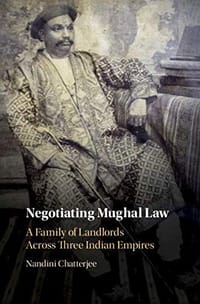 Negotiating Mughal Law
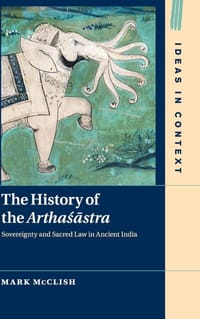 The History of the Arthaśāstra
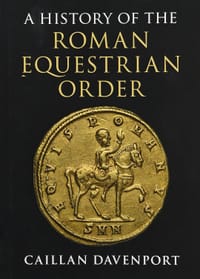 A History of the Roman Equestrian Order
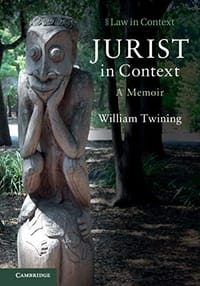 Jurist in Context