
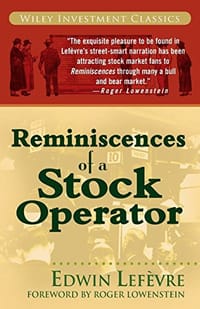
书籍介绍
这书真正戳中读者的,不是那些"华尔街没有新鲜事"的宏大断言,而是反复被反复咀嚼的一个近乎反直觉的执念:看对方向的人很多,真正赚到钱的是"拿得住"的人。摘录里"我的想法从没替我赚过大钱,是坚持不动替我赚大钱"几乎被当作全书题眼反复引用,而短评里"半懂不懂但很有意思""经验之谈醍醐灌顶"的落差感恰恰说明——它给的不是可照搬的公式,而是一种反人性的纪律感:第一笔不盈利就别动第二笔,错了就认,别和行情斗气。它适合那些在盈亏里反复摔跤、愿意用真金白银换教训的人,而非寻找买卖信号者。它像一面镜子,照出的是你自己的弱点。
作者简介
EDWIN LEFÈVRE began writing about Wall Street in 1897. During his career, he wrote eight books, worked for the New York Sun, served as financial editor of Harper's Weekly, and wrote for the Saturday Evening Post.
AI导读
核心看点
- 华尔街无新鲜事,投机规律亘古不变。
- 赚大钱靠坚持不动,而非频繁进出。
- 顺势而为,等待阻力最小路线确立。
读者共识
- 常读常新,不同阶段阅读总有新感悟。
- 对人性弱点与交易心理的剖析极为深刻。
- 虽部分技术过时,但核心思想依然适用。
精彩摘录
- "Ø 华尔街没有新鲜事,因为投机像群山一样古老,股市上今天发生的事,过去曾经发生过,将来也必然再次发生。在上涨或下跌前,股价总会呈现某些“习惯”,一种特定的模式。 Ø 股价的波动总是有原因的,但行情记录器不会告诉你他为什么这样动而不那样动,他不做任何解释。股价涨跌的原因知不知道没有关系,你要么立刻行动,要么丢掉机会。不要问为什么,原因总比机会晚来很久。 Ø 如果要发生什么事情,但是我又不知道会发生什么,我就没办法保护自己,所以,最好还是赶快离场。如果事情没有按照你预想的发展,那么肯定有什么地方发生问题,最好先离场。 Ø 我失误的原因是不能坚持自己的交易原则:市场信号出现之前,不要出手。任何事情的"
- "我说我买进股票做多时,喜欢付出高价,在我放空股票时,一定要卖在低价,否则根本不放空,令人惊讶的是有这么多有经验的交易者听到这种话时,露出难以置信的样子。要是交易者总是坚持自己的投机利器——也就是等到阻力最小的路线自行确立,一定等到大盘说上涨时,才开始买进,或者在大盘说下跌时,才开始放空,并且应该一路加码,要赚钱并不困难。例如先买全部持股的五分之一。如果这一部分没有出现利润,一定不能增加持股,因为他开始显然错了,他至少暂时错了,任何时候,犯错都不会有利润。大盘说会上涨,不见得是说谎,完全是因为大盘现在是说“还没有到时候”。"
- "请记住,股票永远不会太高,高到让你不能开始买进,也不会低到不能开始卖出。但是在第一笔交易后,除非第一笔出现利润,否则别做第二笔。要等待和观察。这就是你解盘能力发挥作用的时候,让你能够判定开始的正确的时机。很多事情成功与否,要看时候再完全正确的时机开始。我花了很多年才了解这一点的重要性。这一点也花了我好几十万美元。 我的意思不是建议你持续加码。当然,你加码可以赚到不加码赚不到的大钱,但是我想说的是:假设一个人的操作极限是500股。我的建议是他不应该一次全部买下,如果不是在投机的话,就不应该这样。如果他只是在赌博,我能给他的唯一建议就是别赌。 假设他买进第一笔100股,立刻就出现损失,他为什么应该"
- "我在棉花交易上有很长期的成功经验。我对棉花有自己的理论,而且绝对遵照这个理论。假设我认定我的部位应该要有4万到5万包。我会像我告诉你的那样研究盘势,观察买进或卖出的机会。假设阻力最小的路线显示多头走势,我会(读者注:加一个“先”字)买进1万包。我买完之后,如果市场比我最初买进的价格上涨10点,我会再买1万包。同样的,随后如果我能得到20点的利润,也就是每包1美元的利润,我会再买2万包。但是如果我买到第一个1万或2万包之后,出现亏损,我会卖光。我错了。可能我只是暂时错了,但是我前面说过,任何事情开始错误,都不会有利润。"
- "我要告诉你:我的想法从来都没有替我赚过大钱,总是坚持不动替我赚大钱,明白吗?是我坚持不动!你能在股市发现很多高手,看时机很准,总能在最佳利润点买卖股票,但他们都没能真正赚到钱。为什么呢?能看对波动方向的人很多,能看对波动并坚持不动的人才真正厉害。但是,一个股票投资者只有牢牢掌握了这个诀窍才能赚大钱。而这是最难学的。"
- "我已经在华尔街摸爬滚打多年,赢过千百万美元,也亏过千百万美元,我的忠告是:我之所以挣大钱,从来不是凭着进进出出,而始终凭借耐心坚守。"
- "惊人的记忆力,能够不费力的记住股价走势。只看历史数据,从走势中检验自己总结的涨跌信号。操作的是一种系统而不是特定的股票。"
- "交易系统在纽约亏钱:1,报价只是历史数据;2,大笔卖单会压低价格。 世界上没有什么东西,比亏光一切更能教会你不该做什么。等你知道不该做什么才能不亏钱时,你开始学习该做什么才能赢钱。"
用户评论
介于雪球上更多的关注者和更匹配的题材风格,这本书的书评写在雪球平台上,对财经感兴趣的朋友可以关注“黑色面包”,即本人。
1、主要是看成历史小说
2、资本有原罪。最后还是要还的。这足以解释我们现在为什么活得比以前累。
3、get到一些principle
4、长句和词汇看的太难受。需要二刷。据说这本书多看几遍不为过。
精彩精彩,尤其是讲述坐庄策略的部分,到今天还适用。经历Luna后也可以说自己是爆过仓的小散户了,市场容量这么大,最重要的还是要找到自己的路。
哎前半本振聋发聩后半本味同嚼蜡。。中心思想其实是一种growth mindset,有用是很有用的,但是后面重复太多了。
There is no asphalt boulevard to success in Wall Street or anywhere else. Why additionally block traffic?
There are two rules in the stock market: 1. The market is always right; 2. What if the market is truly wrong? Reread the first rule.
A very different world as it were.
Good memories. Started my short-lived trading career because of Jesse Livermore. One important lesson learned tho, which can also be applied in everyday life: stick to the plan and never stray away from the rules
Best of the best. If you only read one book on speculation, read this one.
Wiley的其他书籍查看全部
 Sofr Futures And Options
 Pursued Economy
 The Human Element
 Aircraft Propulsion
 Quantitative Portfolio Management
 The Empire of Depression
下载
收藏