
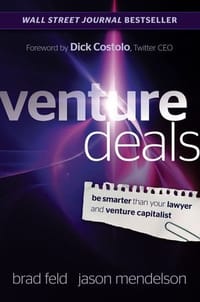
书籍介绍
这不是一本教你怎么写商业计划书的书,而是一份带你走进风险投资谈判桌内部的实战手册。它把融资拆成一个个具体条款——估值、期权池、清算优先权、董事会席位、投票控制——让你看清每一处细节背后,投资人真正在意的是什么。书中最耐人寻味的,是它鼓励创业者坦诚地面对投资人的利益动机:不要回避利益冲突,开诚布公地谈,反而能避免日后更痛的代价。对于初次融资的年轻创始人,书中甚至给出
AI导读
核心看点
- 本书由Foundry Group合伙人撰写,基于其博客系列文章整理,旨在帮助创业者深入理解风险投资条款清单(Term Sheet)的每一个组成部分。内容涵盖估值、期权池、清算优先权、董事会构成及投票权等核心条款,揭示这些条款背后的法律与商业逻辑,帮助创业者识别潜在陷阱,避免在融资过程中因信息不对称而遭受重大损失。
- 书中强调谈判策略与心理准备,指出创业者在融资谈判中必须制定明确计划,区分关键条款与非关键条款。作者警告不要为细枝末节牺牲核心利益,如控制权和经济权益。同时,书中详细剖析VC机构的内部运作、合伙人激励机制及关键人物条款,帮助创业者理解投资人的真实动机,从而在谈判中保持清醒,避免被误导或陷入不利境地。
- 作者以幽默风趣的笔触揭露VC行业的潜规则,并多次调侃律师角色,但核心内容极具实操性。书中强调创业者与VC是阶段性商业合作伙伴关系,建议创业者保持透明、诚实的沟通,建立长期信任。尽管部分案例基于美国市场,但其关于博弈论、谈判底线设定及合规风险警示的原则具有普适性,提醒读者在跨境或本土化应用中需结合当地法律法规进行调整。
读者共识
- 读者普遍认为本书是VC融资领域的权威入门指南,内容详实、逻辑清晰,对创业者极具价值。尽管部分读者反映内容枯燥或难以坚持读完,但多数人评价其“干货满满”,能帮助读者快速建立对VC交易结构的正确认知。书中对条款风险的警示被广泛认可,被视为创业者避免踩坑的重要工具,强烈推荐准备融资的创业者阅读。
- 读者指出书中关于美国VC市场的特定内容(如优先股、特定法律条款)在中国不适用,需警惕水土不服。许多读者强调,不能直接套用书中建议,必须结合中国法律法规和本土实践进行调整。尽管如此,读者仍肯定其关于谈判原则、道德底线及VC运作逻辑的普适性,认为这些核心思想对提升商业素养和谈判能力有显著帮助。
- 读者赞赏作者幽默风趣的写作风格,认为其缓解了专业内容的枯燥感,但同时也提醒读者不要被娱乐性内容误导,忽视严肃的法律风险。部分读者表示,书中对律师的调侃虽有趣,但实际操作中仍需依赖专业律师。总体而言,读者认为本书是了解VC行业黑箱、提升自我保护意识的重要读物,但需配合本土化专业指导使用。
精彩摘录
- "在融资谈判中,真正的要点只有三个:争取有利、公平的结果;不要为结果伤害了个人关系;深入理解你想达成的交易。"
- "找出一些真正重要的事情,估值、期权池、清算优先权、董事会以及投票控制等,把它们解决好。“你永远不能在条款上赚到钱”,这句话很适用于关键条款以外的那些事项。如果能够理解“宁愿在非关键条款上退十步、也不在关键条款上退一步”这个原则的话,那么好运就会一直伴随你了。"
- "【创业者】(entrepreneur)或【创始人】(founder) 【风险投资人】(VC) 【董事总经理】(Managing Director,MD)或【普通合伙人】(General Partner, GP) 【投资总监】(Principals)或【董事】(Directors) 【投资经理】(Associates) 【分析员】(Analyst) 【入驻创业者】(Entrepreneurs in residence, EIRs) 【天使投资人】(Angel investors) 在创业早期重要的资金来源,可以是专业投资者、成功的企业家、朋友或是家庭成员 【“继续参与”条款】(pay-to-pl"
- "VC们的动机和收入激励在很多方面都会表现出来,影响到他们的判断和情绪,这在机构急于做出困难或关键的决定的时候尤其明显。不要对这些因素视而不见,你的投资者的事就是你的事。更重要的是,不要害怕讨论这些问题;开诚布公的探讨可能会带来一时的不快,却会使你免受难以预料的创伤,或者在将来省去一些有关公司利益的交涉。"
- "【合伙人离职】 大部分风险投资机构都有一个“关键人物条款”(Key Man Clause),明确当一定数量合伙人或某个特定合伙人脱离机构的处理办法。在一些实例中,当风险投资机构触犯了“关键人物条款”,有限合伙人有权中止基金的新项目投资活动,甚至解散基金。如果合伙人的离开并未触及关键人物条款,机构资源方面就要有些令人烦心的纠纷了,尤其对于结构或分配不合理的机构,或是离开的合伙人带走了过多资源而使其他人感到难以为继时。作为创业者,我们左右不了这件事情,但一定要对风险投资机构结构的变化保持敏感,如果离开的合伙人恰好是你的董事会成员,或曾经大力支持过对公司的投资,则更是要留心。"
- "人们在谈判中犯的最大错误就是缺乏准备。在我们看来,明明有那么多工作可以做,人们还是盲目地进入了谈判,这简直不可思议。 当你要为融资进行谈判时(其实真的,任何谈判都是这样),制定一个计划。明确你想要什么,认清哪些条款是可以让步的,划好底线。这些问题如果等到谈判中再去解决,你的情绪肯定会在每一方面都去争取实现最大利益,这可能会让你犯错。因为你很可能会在细枝末节上取得一些利益,但是却在关键原则上让步过多,所以一定要有计划。 下一步,提前花些时间了解你面对的是什么人。有些人的信息很容易获取(比如我们),你甚至只需要Google搜索就能了解我们的所有想法。 提前了解对方,你将有能力针对性地处理他们的强项"
- "博弈论是一种数学理论,涉及如何在规定的约束条件内(比如纸牌游戏的规则)寻求收益最大化和损失最小化的策略。"
- "但你拥有多种不同的谈判风格时,应当采用哪一种风格呢?我们的观点是,如果谈判事关名誉,且有保持长久关系的价值,就要努力做到最透明、最随和,是对方站在你的立场思考并认识真正的你。如同在体育比赛中一样,永远不要忘记这个好的策略:突然改变你的游戏方式,让对手猝不及防。"
用户评论
Strongly recommended for those entrepreneurs who are looking for fundings
need to read again
A well-rounded but “relatively” easy read on basics of VC deals. Thank god I wasn’t a law student.
I learnt something about fundraising and VC investments by talking to people and reading random articles online. But this is the first time that I manage to piece everything together and gain a big picture of the VC world. The knowledge is invaluable for an entrepreneur.
不能指望从法律文本上深入掌握,但作为入门科普读物算是很深入浅出了,作为文件大门敲门砖⑧!Fight on and make it!
断断续续看了好久,一定程度上有助于律师去了解风险投资交易双方的所想、所关注的点。此外,也感受到律师纯纯就是个工具人啊…
实操性,很多内容不适用于国内。
Economic and control of the term sheet.
居然有需要研读这书的一天!
Wiley的其他书籍查看全部
 Sofr Futures And Options
 Pursued Economy
 The Human Element
 Aircraft Propulsion
 Quantitative Portfolio Management
 The Empire of Depression
求书
收藏