
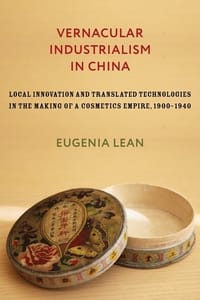
书籍介绍
这本书最耐人寻味之处,在于它刻意绕开了经济史与资本主义史的宏大叙事,转而盯住一个被主流工业史忽视的角落:民国上海一位文人企业家陈蝶仙,如何用乌贼骨里提取的碳酸镁造牙粉、亲手研制灭火器、在闺阁里教女性自制化妆品。作者关心的不是产值与资本积累,而是“地方性工业主义”如何在中国落地——本土原料、文人旧习与业余“乱鼓捣”怎样催生出一种区别于西方规范话语的现代化路径。读者记住的,往往是那个矛盾的陈蝶仙:一边号称“不是不会造机器,只是不愿机器压迫工人”,一边却早已大规模机械化;所谓“乌贼造粉”的传奇,或许更多是为了塑造“国货领袖”的形象。它适合对物质文化、知识生产与“国货”话语如何交织感兴趣的人,而非寻求标准工业史答案的读者。
作者简介
Eugenia Lean is professor of history and East Asian languages and cultures and current director of the Weatherhead East Asian Institute at Columbia University. She is the author of Public Passions: The Trial of Shi Jianqiao and the Rise of Popular Sympathy in Republican China (2007).
AI导读
核心看点
- 以陈蝶仙为个案,揭示近代中国民间工业的本土创新路径。
- 探讨文人如何通过‘意译’技术,将外来知识转化为本土常识。
- 呈现从闺阁实验到商业帝国的微观工业史,挑战宏大叙事。
读者共识
- 导论部分封神,理论建构精妙,是全书最精彩的核心章节。
- 视角独特,以微观个案挑战传统工业史叙事,具有启发性。
- 主体论述稍显啰嗦,史料支撑不足,部分观点说服力有限。
精彩摘录
- "陈蝶仙听了这一趣事,意识到他找到了可以随意取用又丰富、天然——最重要的是属于本土资源的碳酸镁。碳酸镁不但是很多海洋生物的壳和骨骼的主要成分,而且是生产牙粉和其他粉类盥洗用品常用的重要原料。"
- "何公旦告诉他,每当初冬潮落,海水便会把乌贼卷打到岸上。一旦鱼肉腐烂,剩下的全是白色的乌贼骨,这些骨头绵延数十里。故事继续道,陈蝶仙听了这一趣事,意识到他找到了可以随意取用又丰富、天然——最重要的是属于本土资源的碳酸镁。碳酸镁不但是很多海洋生物的壳和骨骼的主要成分,而且是生产牙粉和其他粉类盥洗用品常用的重要原料。"
- "他原本确实打算用乌贼制造牙粉,但他几乎立刻意识到鱼类的碳酸钙含量太少,所以很快改用化学方法生产碳酸钙。"
- "20世纪早期还是出现了史无前例的机遇。虽然题记提到的爱迪生更多的是夸张的修辞,是评论者塑造偶像的一个环节,但也确实指出了托马斯·爱迪生和陈蝶仙从属于怎样一种全球趋势:创业型人才可以利用社会上的新机遇,体验不断加速的工业发展。在中国,失去权力、无所归依的文人,离开了垂死的北方政治中心和传统意义上的江南学术中心,在生机勃勃的通商口岸看到了前所未有的希望。他们迁居到这些新的中心,借助文化技能,在迅猛发展的营利性出版行业、新兴的娱乐文化界,乃至商业化的轻型制造业中开拓新途径。借助知识生产机构、社会职业以及动荡的政治权力结构,城市行动派们施展各种创业策略以应对变化。地方精英、城市里的鉴赏家(或男或女)、"
- "“中国的工业,要发达,现在还谈不到机器,而是原料。原料不解决,一切成本都是不能解决的。你看,中国最大的工业,纱——棉花总算自己富有出产了,但一部分还是仰给美棉,而纱价就受了舶来品的牵制。我们无敌牌牙粉,能够打倒日本金刚狮子,便是一切原料,能够自给自足。日本碳酸在卖二十八元一担,而我们自己设厂制镁,成本要核到三十六元时,谁不说我是呆子,但现在如何,日本货卖到四十块了,我们还是站在三十六元不动。你不要以为爱用国货仅仅靠宣传可以成功,第一还是需要货真价实。(引自陈定山[1955]1967,188) “所以很快改用化学方法生产碳酸钙。其实乌贼骨从来不是碳酸钙的主要来源,而乌贼的“发现”在回忆录中却被大"
- "“显而易见,对家庭工业社的描绘是有一定弹性的,取决于想象中的观察者是谁。然而有证据显示,最先那篇对初创公司的描述中显示出的低端、简陋的机械化印象,随着时间的推移,对中国读者来说成了不变的特征。比如,后来的传记性叙述仍把家庭工业社展现为一个低端项目。陈定山写的传记,清楚详细地讲述了他父亲对待机械化的矛盾心理。陈定山不无自豪地写道,因为“无敌牙粉”最初系手工制作,根据政策一度没有得到关税豁免(不过正如前文所述,此言不实)。他还引用了父亲的话:“我不是不会造机器,只是我们不愿机器来压迫我们的工人,使他失业。尤其是我们家庭工业社,20年来,每一个工人,大都成家生子,他们父母子女都在我家庭工业社里做工。"
- "“中国便是联合利华发起力士香皂和皂粉营销闪电战的重要地区,市场上铺天盖地的都是主打电影明星的广告。联合利华——更确切地说是联合利华的前身,英国的利华兄弟公司(Lever Brothers)——已成为东亚最早销售肥皂的外国公司之一。为了在竞争日益激烈的中国化妆品市场站稳脚跟,这家跨国企业靠的是已在上海等中国城市运营的国际广告代理机构。公司甚至还有自己的内部机构——灵狮(Lintas),即“利华国际广告机构”(Lever International Advertising Services)的首字母缩略词。1932年,这个内部广告部门在中国各城市发起了一场评选,号召(女性)读者兼消费者从二十多个电"
- "“关于华人商业实践的上述观点,令“本土”(local)这个概念变得复杂,其中展现了这些跨国网络的本土网点如何从中国乡村跨越到东南亚的国际转运港。然而问题依然存在:提倡此类诠释性的方法,是否基于一种多因素造成的、分析性的二元论——针对本土(中国以及东南亚的海外华人)和暗含了“全世界”的西方?还有一个与之相关的问题:这种方法从根本上倾向于认为东南亚市场不过是大中华地区的一部分。而晚近的全球史研究已开始把东南亚和其他地方的离散华人,不仅仅当作中华民族的延伸,而认为他们是超越国界的(McKeown 2001)。按照这种较新的方法,把中国和大中华区(Greater China)记作“本土”,而把西方想当"
目录
Acknowledgments
Introduction
Part I: Gentlemanly Experimentation in Turn-of-the-Century Hangzhou
1. Utility of the Useless
Part II: Manufacturing Knowledge, 1914–1927
显示全部
用户评论
intro
学界贡献满分 有些地方好像太啰嗦扣一分 陈碟仙真tm是奇人
完全不懂为什么这本书评分能这么高 作为一本研究20世纪上半叶中国工业发展的书 完全不engage economic history和history of capitalism的文献是不是有点说不过去 而且作为一本历史书 整个introduction连个source都不提 同时这个argument真的新吗 欧洲经济史的人早就做过类似的研究
STS融合文化史和transnational的路径,(又一)民国case study以小见大回应和挑战现有叙事:国货运动、中国近代工业发展、知识生产过程(material turn)和知识产权。结尾又是喜闻乐见的写到当代议题,话没有说死。China can also be fertile soil for the formulation of new historical narratives and analytical approaches.
核心的问题意识是定位中国现代化被遮蔽的场所,尤其是被五四叙述遮蔽的——旧文人、闺阁、商业杂志。通过陈蝶仙的个人案例指出工业化道路的多样性,即vernacular industrialism,具体包括:非正式、家庭作坊、没有国家支持、鼓捣山寨而非发明创新、工业生产与基于大众媒介的文化生产相配合。最终说明二十世纪初的中国工业化发展并非停滞失败。
文人与商人合二为一的先驱。“文人”(the chinese version of "the renaissance man")其实包含着很多现代社会被心理学研究证实的lead to entrepreneurship的先觉条件——knowing how to play well、涉猎广泛,那么为什么离商业一步之差呢?为什么需要不停的给”我不盈利“的disclaimer呢?
如何以bottom-up的角度來approach industrialism, which is not just monopolized by state projects. 學習 the micro approach over the macro approach. the mutual reinforcement between knowledge and the material world. 不得不吐槽的是,這本書的audience根本就是給committee看的!
Columbia University Press的其他书籍查看全部
 Amboina, 1623
 The Unworthy Scholar from Pingjiang
 How Did Lubitsch Do It?
 Contemporary Chinese Short-Short Stories
 The Naqab Bedouins
 Crude Volatility
求书
收藏