

The Shahnameh, an epic poem recounting the foundation of Iran across mythical, heroic, and historical ages, is the beating heart of Persian literature and culture. Composed by Abu al-Qasem Ferdowsi over a thirty-year period and completed in the year 1010, the epic has entertained generations of readers and profoundly shaped Persian culture, society, and politics. For a millennium, Iranian and Persian-speaking people around the globe have read, memorized, discussed, performed, adapted, and loved the poem.
In this book, Hamid Dabashi brings the Shahnameh to renewed global attention, encapsulating a lifetime of learning and teaching the Persian epic for a new generation of readers. Dabashi insightfully traces the epic’s history, authorship, poetic significance, complicated legacy of political uses and abuses, and enduring significance in colonial and postcolonial contexts. In addition to explaining and celebrating what makes the Shahnameh such a distinctive literary work, he also considers the poem in the context of other epics, such as the Aeneid and the Odyssey, and critical debates about the concept of world literature. Arguing that Ferdowsi’s epic and its reception broached this idea long before nineteenth-century Western literary criticism, Dabashi makes a powerful case that we need to rethink the very notion of “world literature” in light of his reading of the Persian epic.
Hamid Dabashi is Hagop Kevorkian Professor of Iranian Studies and Comparative Literature at Columbia University. He is a founding member of the Institute for Comparative Literature and Society at Columbia University. Among his most recent books are The World of Persian Literary Humanism (2015) and Persophilia: Persian Culture on the Global Scene (2016).
 Amboina, 1623
 The Unworthy Scholar from Pingjiang
 How Did Lubitsch Do It?
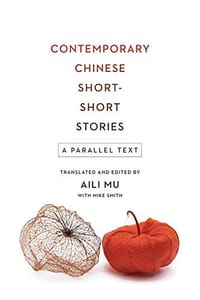 Contemporary Chinese Short-Short Stories
 The Naqab Bedouins
 Crude Volatility