
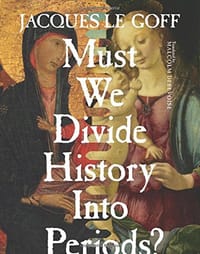
Must We Divide History Into Periods?
出版时间
2015-09-08
ISBN
9780231173001
评分
★★★★★
书籍介绍
这本小册子最锋利的地方,在于它拒绝把历史切成彼此隔绝的抽屉。勒高夫把中世纪一直延伸到文艺复兴之后,进而主张:我们习以为常的“文艺复兴”并非与过去决裂的闪光时刻,而只是漫长中世纪内部的几次内在重生。这一判断之所以引发讨论,正因为它同时否定了两个流行叙事——既否定了“黑暗时代”,也否定了“现代理性自意大利破壳而出”。读者记住它,往往不是因为结论,而是因为它逼我们看见:每一次断代都暗藏立场,为时段附加的意义远比事实多。它适合那些愿意追问“我们为何这样划分过去”的人,而非寻求确定年代坐标者。
作者简介
Jacques Le Goff (1924–2014), for many years director of studies at the École des Hautes Etudes en Sciences Sociales in Paris, was a highly influential member of the Annales School. Among his other works are Time, Work, and Culture in the Middle Ages and Constructing the Past: Essays in Historical Methodology.
M. B. DeBevoise translates from the French and Italian in every branch of scholarship.
AI导读
核心看点
- 作者勒高夫作为年鉴学派代表人物,在遗作中强烈批判将中世纪视为黑暗时代、文艺复兴视为理性突变的传统史观。他指出文艺复兴并非与过去决裂,许多所谓创新实为中世纪延续,且中世纪的负面特征在文艺复兴时期依然存续,呼吁以连续视角看待西方文明演变。
- 本书深入剖析历史分期背后的意识形态动机,揭示所谓‘新时期’观念往往通过妖魔化前一时段来确立自身合法性。勒高夫强调断裂是罕见的,历史演变多为渐进转变或内在重生,反对将历史简单切割为对立阶段,主张反思分期行为本身的价值负载。
- 书中探讨全球化与历史分期的关系,指出历史学家不应混淆全球化与统一化概念。作者认为人类目前仅处于文明交流阶段,尚未达到吸收融合阶段。同时强调历史分期有助于理解人类在时间中的组织方式,但需警惕其可能带来的认知偏差和简化倾向。
读者共识
- 读者普遍认为本书观点具有强烈的颠覆性和启发性,成功打破了中世纪与文艺复兴之间截然对立的传统认知框架。尽管部分读者认为作者文笔不够严谨或存在偏激之处,但多数认可其作为史学理论反思的价值,认为其有助于纠正历史教育中的错误观念,提供全新视角。
- 多数读者指出本书虽短小精悍,但论证过程缺乏充分史料支撑,部分结论显得武断或过于简化。有评论认为作者作为中世纪专家,在涉及文艺复兴评价时存在职业偏见,未能客观评估文艺复兴的独立价值。这种争议性观点促使读者进行更独立的批判性思考。
- 读者共识认为本书不适合寻求具体历史知识或叙事性阅读的普通大众,其价值在于理论层面的警示与反思。尽管存在争议,但本书成功引发了关于历史分期合法性、历史进步论谬误的深入讨论,被评价为具有思想钢印般影响力的警示之作,值得史学研究者警惕与反思。
精彩摘录
- "历史分期化只能运用于有限的文明频域内,而全球化则是要载到这些整体之间的关系。 实际上,历史学家不应该像他们以前所做的那样,混淆全球化的观念和统一化的观念。全球化中有两个阶段:第一个是交流,即把忽视的地区和文明联系起来第二个是吸收、融合的现象。直到今天,人类还只是处于第一个阶段。 对于当代历史学家来说,历史分期化也是研究和反思的重要领域。由于它的存在,人类在时段、时间中组织和演变的方式变得清楚。"
- "一个关于历史分期的结论也就可以得出了。断裂是罕见的。常见的模式,是或长或短、或深或浅的转变,是转向,是内在的重生。"
- "这个紧随漫长的中世纪——我认为应该将这个时期延伸至文艺复兴之后——而来的时期,其出现的标志是从1751年开始出版《百科全书》。这是在狄德罗、达朗贝尔、伏尔泰、孟德斯鸠、卢梭等人的推动下实现的,它表明理性和科学压倒了基督教教义。"
用户评论
3.5
The very manifesto contending that the Renaissance is only a sub-period of the long Middle Ages
小册子,糟糕的写作,他是如何做到作为中古专家在这个和本行相涉的议题上写出弗郁的毒力撕烤逼气质的?
每个所谓的历史时段,实际都持续了很长时间。对历史划段决不会价值中立,它为每个时段附加了某种意义。
马克思之历史论谬误千里,却化为我国教育之思想钢印,可叹
Columbia University Press的其他书籍查看全部
 Amboina, 1623
 The Unworthy Scholar from Pingjiang
 How Did Lubitsch Do It?
 Contemporary Chinese Short-Short Stories
 The Naqab Bedouins
 Crude Volatility
求书
收藏